Silent Ransom Group (SRG): Switching To DNS Fast Flux Infrastructure
Key Takeaways
- •Resecurity mapped SRG Fast Flux nodes across 20+ countries.
- •SRG uses compromised IoT routers and CPE as botnet hosts.
- •FBI warns of extortion attacks on U.S. law firms.
- •Fast Flux gives SRG resilient command‑and‑control infrastructure.
- •Collaboration urged between ISPs, DNS providers, and security agencies.
Pulse Analysis
Fast Flux is a DNS‑based technique that rapidly changes the IP addresses associated with a domain, distributing traffic across a large pool of compromised hosts. By leveraging vulnerable IoT devices and consumer‑grade routers, threat actors create a moving target that frustrates traditional blacklisting and sink‑hole strategies. In the case of the Silent Ransom Group, this architecture underpins a data‑exfiltration and extortion model that sidesteps encryption, focusing instead on stealing sensitive documents and threatening public release.
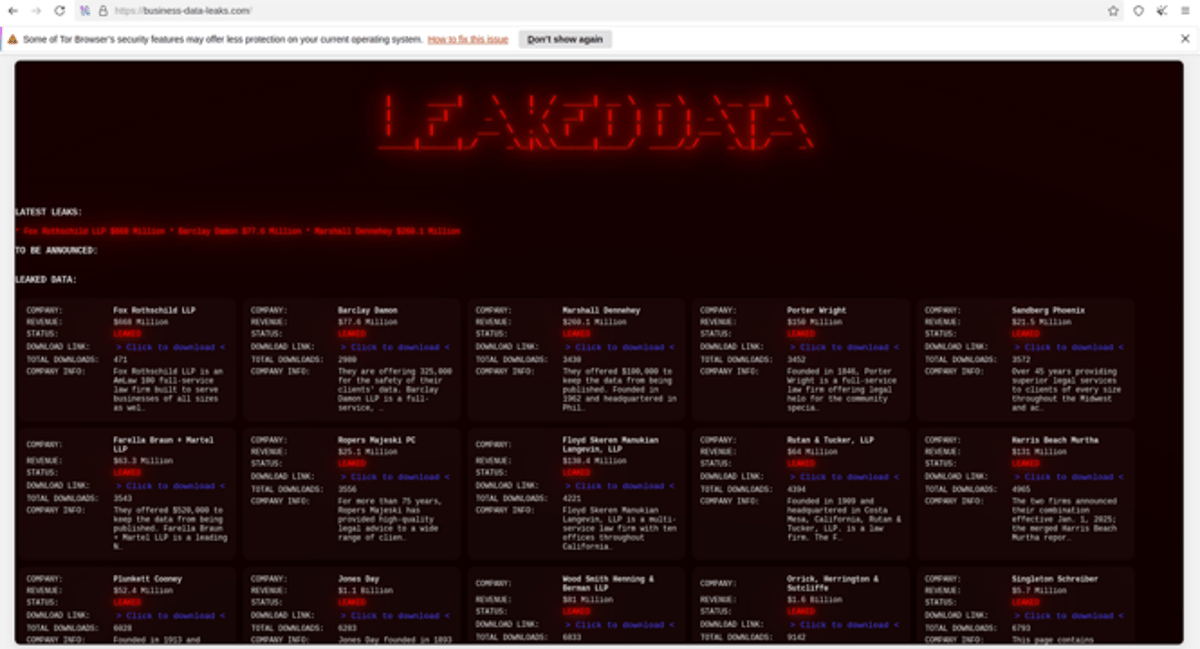
The legal sector has become a prime hunting ground for SRG because of the high monetary value of confidential client information. Recent FBI advisories highlight a surge in social‑engineering and in‑person attacks aimed at top AmLaw 100 firms, with the group deploying X‑CSRF tokens to conceal their data‑leak sites from search engines. By coupling Fast Flux resilience with sophisticated credential‑theft tactics, SRG can sustain prolonged pressure on victims, extracting ransom payments while evading rapid takedown.
Mitigating this threat requires a multi‑layered response. Internet service providers and DNS operators are urged to monitor anomalous flux patterns and share indicators of compromise with security communities. Public‑private partnerships, such as the joint advisory from the NSA, CISA, FBI and allied agencies, provide a framework for coordinated takedown operations and rapid threat intelligence dissemination. As Fast Flux techniques mature, organizations must prioritize IoT device hygiene, enforce strict network segmentation, and adopt threat‑intel‑driven DNS filtering to blunt the impact of resilient ransomware infrastructures like SRG.
Silent Ransom Group (SRG): Switching To DNS Fast Flux Infrastructure
Comments
Want to join the conversation?