Windows Security App Gains Secure Boot Certificate Status Ahead of Major Certificate Refresh

Key Takeaways
- •Secure Boot certificates expire June 2026.
- •Microsoft rolls out new certificates via Windows Update.
- •Windows Security app shows color‑coded badge status.
- •Yellow badge indicates pending or blocked update.
- •Red badge means boot security updates unavailable.
Pulse Analysis
Secure Boot is a cornerstone of modern PC security, relying on firmware‑signed certificates to verify that only trusted code runs during startup. The original certificate pool, issued in 2011, was never designed for a lifespan beyond a decade, and its impending June 2026 expiration creates a systemic risk. By refreshing these certificates, Microsoft ensures that the chain of trust remains intact, preserving the defensive barrier against rootkits and firmware attacks that could otherwise bypass operating‑system protections.
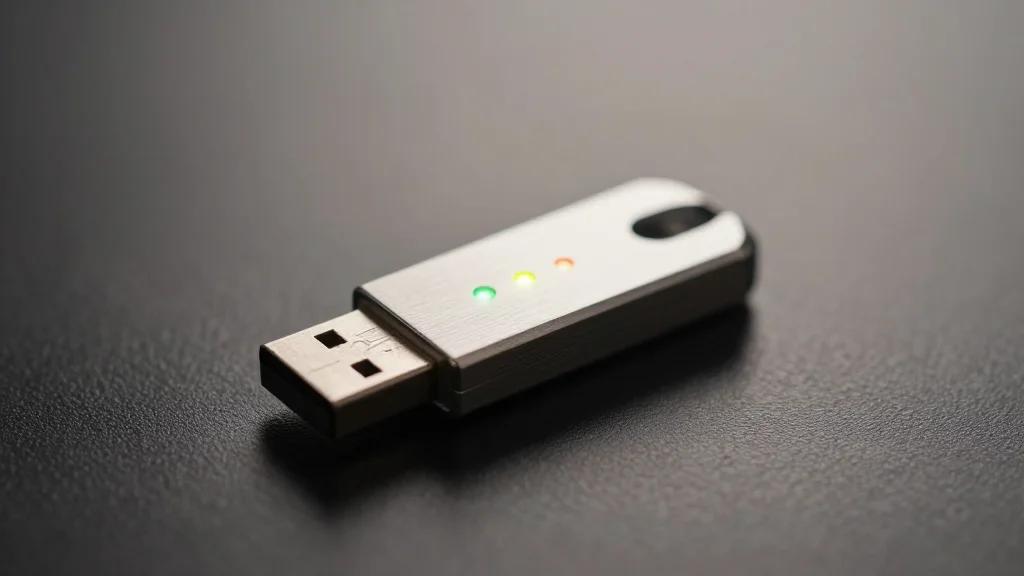
Microsoft’s rollout strategy leverages the existing Windows Update infrastructure, minimizing user friction while delivering the new keys to a heterogeneous hardware base. Starting in April 2026, the Windows Security app will surface a simple, color‑coded badge—green for compliant, yellow for pending or hardware‑blocked, and red for critical failure. This visual cue is mirrored in the system‑tray icon, guaranteeing visibility even when the app isn’t open. The phased timeline, with yellow warnings appearing in May and red alerts potentially emerging in June, gives IT teams a clear window to remediate firmware limitations or BIOS updates before the certificates become invalid.
For enterprises and OEMs, the certificate refresh represents both a compliance checkpoint and an opportunity to reinforce firmware hygiene. Devices stuck on legacy BIOS versions may trigger yellow or red badges, prompting firmware updates or hardware replacements. Proactive monitoring of the badge status can be integrated into endpoint management platforms, allowing automated remediation workflows. In the broader market, this move underscores the growing emphasis on supply‑chain resilience and the need for continuous firmware security updates, setting a precedent for future trust‑anchor management across the Windows ecosystem.
Windows Security App Gains Secure Boot Certificate Status Ahead of Major Certificate Refresh
Comments
Want to join the conversation?