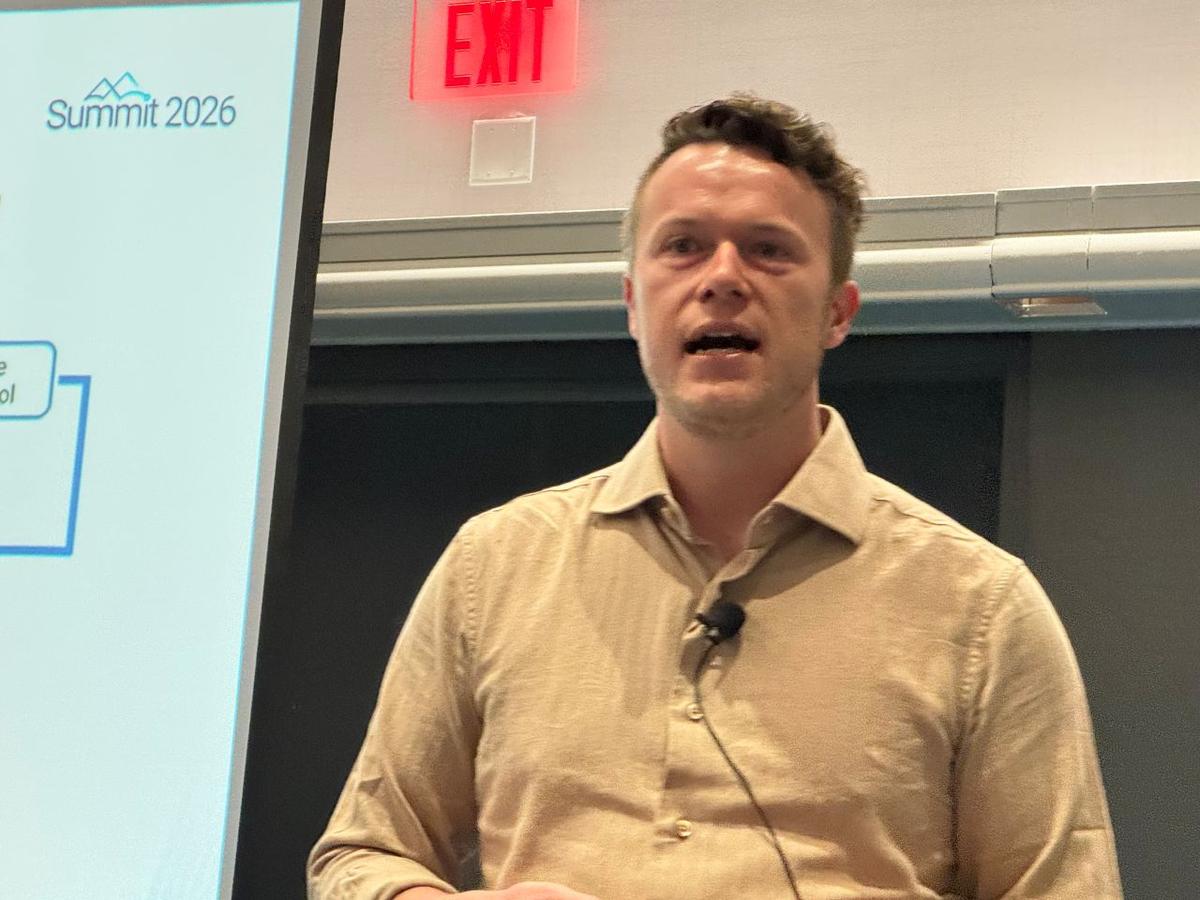
AI Adds Wrinkles to Public-Safety Cyberthreats, PSTA Reps Say
Companies Mentioned
Why It Matters
Public‑safety networks are critical infrastructure; AI‑enhanced attacks raise breach risk and ransom exposure, jeopardizing community safety and financial stability.
Key Takeaways
- •AI-driven phishing now targets public‑safety LMR and cloud systems
- •PSTA offers free threat intel alerts and credential‑monitoring for agencies
- •Attackers use AI to harvest job postings, map hierarchies, impersonate staff
- •Ransom payments flag victims, increasing future extortion risk
Pulse Analysis
The integration of generative AI into cyber‑crime toolkits is reshaping threats to public‑safety communications. AI can scrape an agency’s public‑facing data, generate convincing phishing emails, and even synthesize voice clips that sound like a vendor’s technician or a new IT hire. As more legacy land‑mobile‑radio (LMR) networks migrate to cloud‑based platforms, the attack surface widens, allowing threat actors to bypass traditional perimeter defenses. Motorola Solutions’ Public Safety Threat Alliance (PSTA) observed that the United States accounted for virtually all high‑quality credential‑theft attempts last year, with a single proof‑of‑concept test originating in Czechia.
The practical fallout for a municipal dispatch center or sheriff’s office is severe. Once an employee clicks a malicious link, attackers move quickly to harvest admin credentials, lock down backups, and demand ransom—often targeting cyber‑insurance policies to maximize payout. PSTA’s free membership mitigates this risk by delivering actionable intelligence: real‑time alerts when agency credentials surface on the dark web, concise translations of federal cybersecurity directives, and best‑practice guides for network segmentation. These services are available to any public‑safety entity, regardless of whether they purchase Motorola hardware.
Industry leaders are now urging a shift from reactive patching to proactive, AI‑aware defenses. Investing in behavioral analytics, continuous credential monitoring, and cross‑agency information sharing can blunt the advantage that automated reconnaissance gives adversaries. Regulators are also tightening reporting requirements for critical‑infrastructure breaches, making early detection a compliance imperative. As ransomware payouts climb into the tens of millions of dollars in cryptocurrency, the cost of a single successful intrusion far outweighs the modest expense of joining a threat‑sharing consortium like PSTA.
AI adds wrinkles to public-safety cyberthreats, PSTA reps say
Comments
Want to join the conversation?
Loading comments...