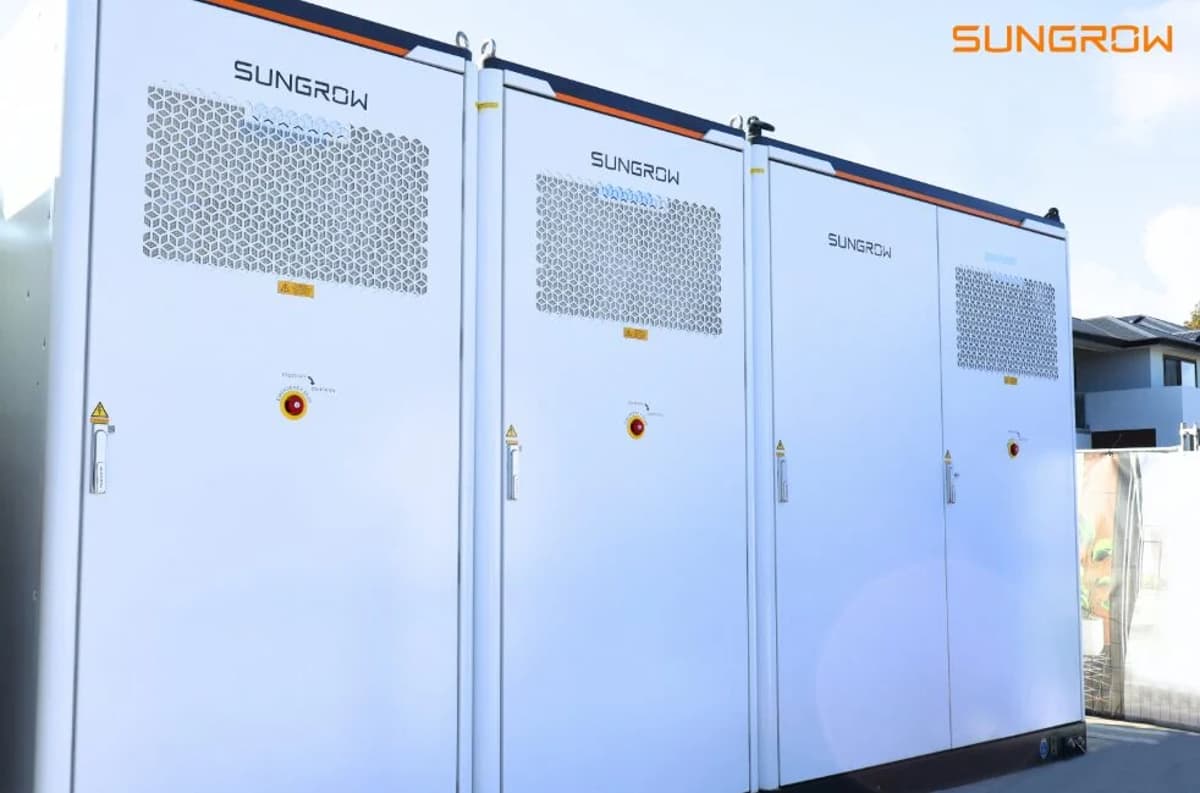
‘As Deployments Grow, so Does the Need,’ Says Sungrow North America Cybersecurity Director
Companies Mentioned
Why It Matters
Robust cyber defenses protect the reliability of rapidly expanding BESS assets, safeguarding grid stability and investor confidence in the energy transition.
Key Takeaways
- •Sungrow follows IEC 62443 for utility‑scale and C&I BESS security
- •Residential inverters adhere to IoT standards EN 303645 and EN 18031
- •Team expanding to double‑digit size, emphasizing security‑by‑design
- •Top threat vectors: access governance, network segmentation, firmware integrity
- •Independent third‑party testing (White Knight Labs) validates Sungrow’s security posture
Pulse Analysis
The battery‑energy‑storage‑system market is scaling faster than any other clean‑energy technology, and with that growth comes a heightened cyber risk profile. Sungrow has anchored its security strategy in the IEC 62443 suite, a globally recognized set of standards for industrial automation, ensuring that every device—from utility‑scale inverters to commercial‑industrial units—undergoes rigorous secure‑development lifecycle checks. By layering regional regulations and adopting IoT‑specific standards for residential products, the company creates a unified yet adaptable security posture that meets both critical‑infrastructure and consumer expectations.
Threat actors are exploiting the increasing interconnectivity of BESS assets, targeting three core weaknesses identified by Hudson: lax access governance, insufficient network segmentation, and compromised firmware supply chains. Lateral movement from enterprise IT zones into operational technology (OT) environments can trigger cascading outages, while malicious firmware updates threaten device integrity. State‑sponsored groups, exemplified by campaigns like Volt Typhoon, add a geopolitical dimension, prompting operators to assume breach scenarios and implement defense‑in‑depth controls that isolate critical functions and enforce strict credential management.
Industry momentum is shifting toward mandatory certifications and independent validation, with utilities, regulators, insurers, and system operators demanding proof of compliance. Sungrow’s partnership with White Knight Labs for third‑party teardown testing exemplifies this trend, offering customers transparent assurance that security measures extend beyond check‑box compliance. As BESS installations become integral to grid resilience, data centre reliability, and AI‑driven workloads, robust cybersecurity will be a decisive factor in securing financing, meeting regulatory mandates, and maintaining public trust in the energy transition.
‘As deployments grow, so does the need,’ says Sungrow North America cybersecurity director
Comments
Want to join the conversation?
Loading comments...