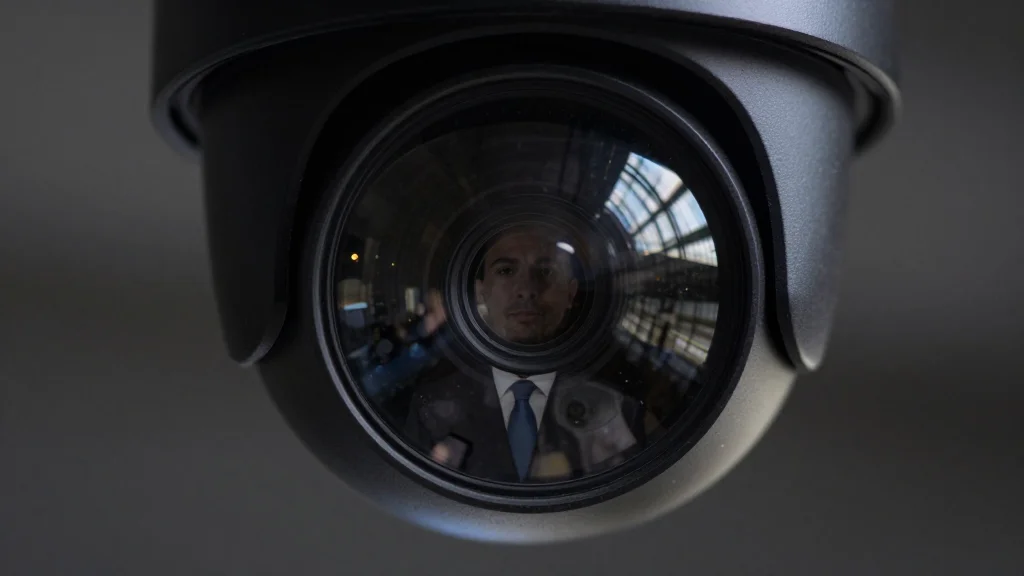
Beware of Financial Scammers Wielding Deepfake Tech
Why It Matters
The expanding scale of AI‑generated impersonation threatens corporate financial controls and may conceal far larger, unreported liabilities, making rapid security upgrades essential for the finance sector.
Key Takeaways
- •Deepfakes remain active ~3.5 years, enabling long‑term fraud schemes
- •41 incidents caused $74.9 M verified losses; median $243 k each
- •71% of victims did not report financial losses, hinting hidden liabilities
- •Detection tools lag 6‑18 months; multi‑layer verification recommended
Pulse Analysis
Deepfake technology, once a curiosity, has become a weaponized tool for financial fraud. The 2025 Resemble.AI Threat Report highlights that synthetic audio and video can linger for years, giving criminals a prolonged window to exploit trusted relationships. In 2023, 41 corporate incidents were documented, resulting in $74.9 million of verified losses, with a median impact of $243 k per breach. Yet the report suggests the true cost is higher, as 71% of affected firms did not disclose any financial damage, indicating a hidden liability iceberg that could reshape risk assessments across industries.
The core challenge lies in the AI‑on‑AI arms race. Generative models that create deepfakes improve rapidly through larger datasets and scaling, while detection algorithms rely on artifacts that disappear as the fakes become more realistic. Researchers estimate detectors lag by six to eighteen months for specific modalities, meaning many organizations are perpetually a step behind. This lag is especially dangerous in high‑value transactions, account openings, and credential resets, where a convincing voice or video can bypass traditional verification controls and trigger unauthorized payments.
To mitigate this evolving threat, security leaders are shifting from single‑point checks to layered verification frameworks. Combining physical presence confirmation, behavioral analytics, and continuous monitoring of digital environments creates a more resilient defense. Vendors like Iproov advocate for real‑time liveness detection paired with anomaly detection in network traffic. As regulators tighten guidance on AI‑driven fraud, firms that invest early in multi‑factor, AI‑augmented identity solutions will not only protect their bottom line but also demonstrate the governance maturity demanded by investors and auditors. The deepfake fraud landscape will continue to evolve, but a proactive, layered approach offers the best chance to stay ahead of sophisticated imposters.
Beware of Financial Scammers Wielding Deepfake Tech
Comments
Want to join the conversation?
Loading comments...