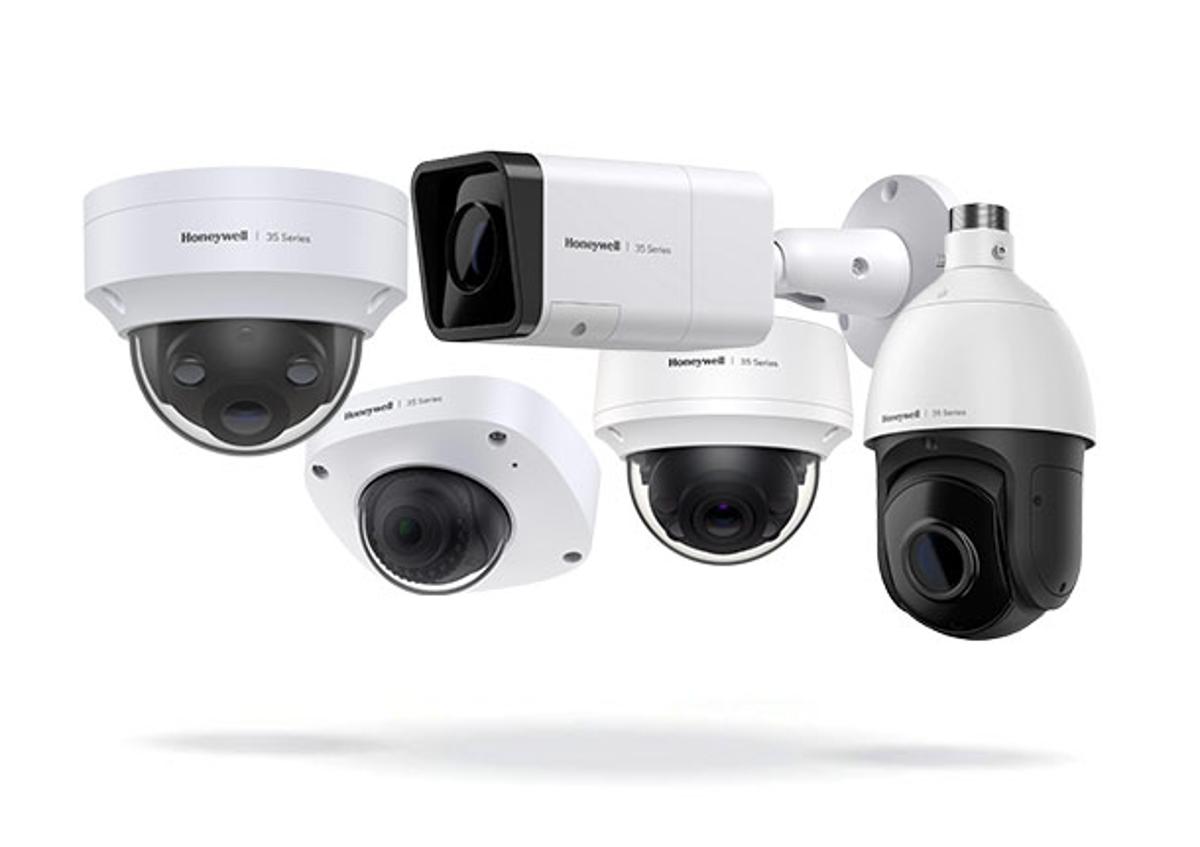
CISA Alerts to Critical Auth Bypass CVE-2026-1670 in Honeywell CCTVs
•February 19, 2026
0
Why It Matters
Compromised surveillance cameras can expose sensitive visual data and serve as footholds for lateral movement within critical‑infrastructure networks, heightening operational and privacy risks.
Key Takeaways
- •CVE-2026-1670 scores 9.8, critical authentication bypass.
- •Attackers can change recovery email without logging in.
- •Affected models include I-HIB2PI-UL and PTZ WDR series.
- •Potential lateral movement across networks via compromised camera feeds.
- •CISA recommends network isolation, firewalls, and VPN for remote access.
Pulse Analysis
The discovery of CVE‑2026‑1670 underscores a growing weakness in the convergence of IT and operational technology (OT) environments. Honeywell’s IP‑based cameras, widely deployed in government facilities, corporate campuses, and critical infrastructure, now expose an unauthenticated API endpoint that bypasses credential checks. By altering the recovery email, threat actors can hijack accounts, gain persistent access to video streams, and potentially exfiltrate or manipulate visual data. Such a breach not only compromises privacy but also provides a reconnaissance vector for deeper network infiltration, a concern echoed across the broader IoT security landscape.
From a defensive standpoint, the vulnerability highlights the urgency of network segmentation and strict access controls for surveillance assets. CISA’s guidance to isolate control‑system devices from the public internet, enforce firewall policies, and route remote connections through hardened VPNs aligns with best practices for industrial control system (ICS) security. Organizations should conduct thorough risk assessments, inventory all affected Honeywell models, and prioritize patch deployment or firmware updates. Additionally, monitoring for anomalous API calls and enforcing multi‑factor authentication on management interfaces can mitigate the risk of credential‑less exploitation.
Looking ahead, vendors and operators must adopt a proactive patch‑management cadence and embed security‑by‑design principles in future camera architectures. The lack of reported active exploitation does not diminish the threat; attackers often weaponize disclosed flaws after a lag period. Enterprises should stay abreast of CISA advisories, engage with Honeywell for remediation timelines, and integrate continuous vulnerability scanning into their OT security programs. By treating surveillance systems as critical assets rather than peripheral devices, organizations can safeguard both visual intelligence and the broader network ecosystem.
CISA alerts to critical auth bypass CVE-2026-1670 in Honeywell CCTVs
0
Comments
Want to join the conversation?
Loading comments...