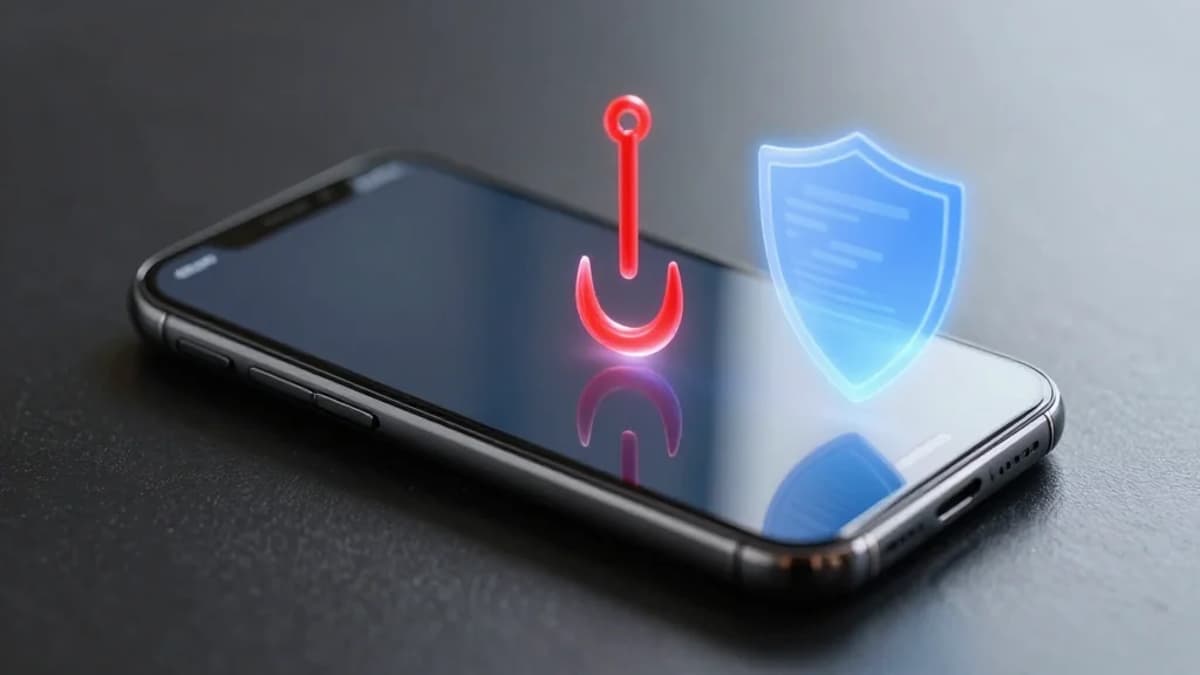
Common Apple Pay Scams, and How to Stay Safe
•January 22, 2026
0
Companies Mentioned


Why It Matters
These scams threaten consumer confidence in digital wallets and can generate costly chargebacks for merchants, prompting tighter security measures across the payments industry.
Key Takeaways
- •Phishing, overpayment, and fake receipt scams target Apple Pay users
- •NFC malware detections rose 100% in 2025
- •Enable Stolen Device Protection and transaction alerts
- •Use VPN on public Wi‑Fi to prevent credential theft
- •Report fraud promptly to banks and authorities
Pulse Analysis
Mobile payments have surged, with Apple Pay boasting hundreds of millions of users and processing trillions of dollars in 2025. While Apple’s tokenization and biometric safeguards protect card data, the platform’s reputation makes it a prime target for fraudsters who rely on social engineering rather than technical flaws. Understanding the ecosystem’s growth helps businesses gauge the scale of potential exposure and the need for proactive defenses.
Scammers employ six primary tactics: phishing messages that harvest credentials, marketplace fraud where stolen cards fund bogus purchases, overpayment schemes that lure sellers into refunding excess funds, unsolicited payments that reverse later, fake receipts that mimic escrow, and public‑Wi‑Fi attacks that intercept Apple ID logins. The rise in NFC‑focused Android malware—doubling in 2025—highlights that attackers also target the underlying communication layer, threatening any contactless wallet. For merchants, these schemes translate into chargebacks, inventory loss, and reputational damage.
To stay ahead, users should activate Stolen Device Protection, enable real‑time transaction notifications, and restrict card usage to those offering chargeback rights. Employing a reputable VPN on public networks thwarts credential harvesting, while regular password updates and two‑factor authentication guard against account takeover. Prompt reporting to banks and regulatory bodies limits financial loss and feeds threat‑intel feeds, helping the broader ecosystem adapt to evolving scams.
Common Apple Pay scams, and how to stay safe
0
Comments
Want to join the conversation?
Loading comments...