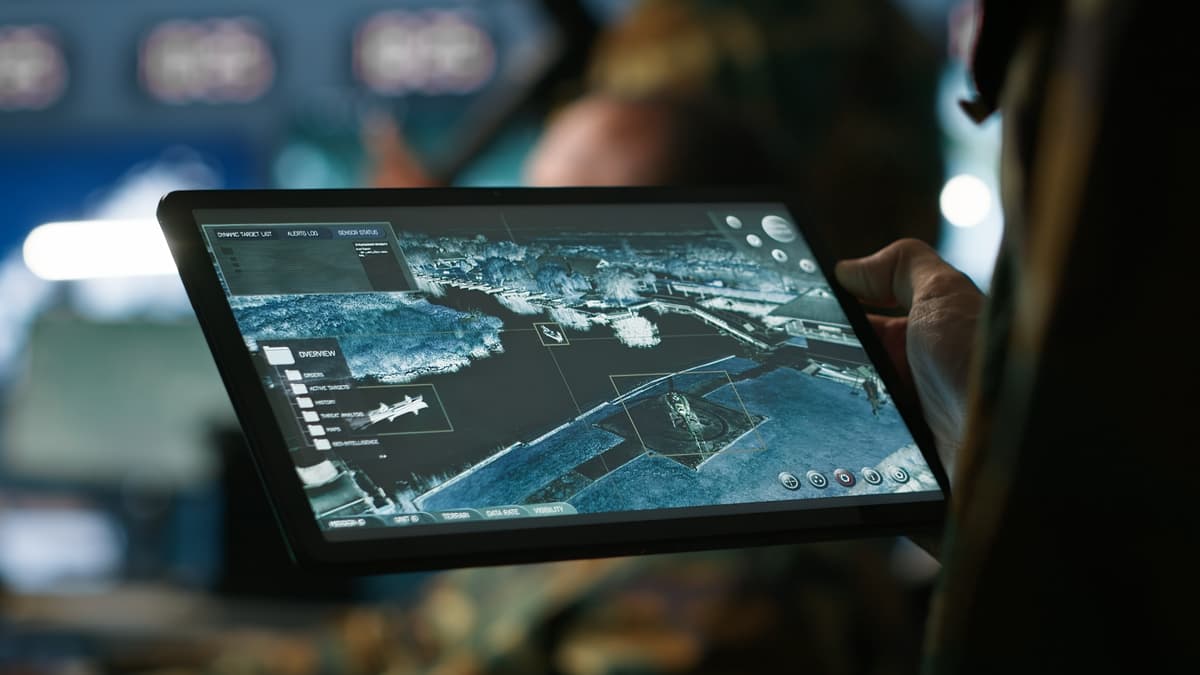
Cyber Espionage Group Targets Aviation Firms to Steal Map Data
Companies Mentioned
Why It Matters
Geospatial data is a strategic asset for military logistics and infrastructure planning, so its theft threatens national security and operational secrecy across the aviation sector. The incident forces firms to adopt zero‑trust controls for their most sensitive GIS workstations.
Key Takeaways
- •HeartlessSoul uses fake aviation installers and a SourceForge project to deliver malware
- •Targeted data includes GIS shape files, digital relief maps, and GPS coordinates
- •Campaign leverages fileless, multi‑stage infection with JavaScript RATs and PowerShell
- •Experts urge zero‑trust segmentation for flight‑planning and GIS workstations
Pulse Analysis
The surge in geopolitically motivated cyber‑espionage has pushed attackers beyond traditional credential theft toward high‑value geospatial intelligence. Mapping data—roads, terrain, infrastructure, and flight paths—offers adversaries a granular view of an opponent’s logistical capabilities, enabling precise targeting of supply chains and military assets. As regional conflicts intensify, nation‑state actors are increasingly weaponizing GIS information, turning what was once a niche data set into a critical component of modern warfare.
HeartlessSoul’s tactics illustrate a sophisticated blend of social engineering and advanced malware delivery. By masquerading as legitimate aviation software and exploiting trusted platforms like SourceForge, the group bypasses many conventional security filters. Their use of fileless execution, Java‑based remote‑access Trojans, and PowerShell scripts mirrors tactics seen in elite APT groups, suggesting possible state sponsorship or at least alignment with national intelligence goals. The focus on GIS files—shape files, digital relief models, and proprietary mapping formats—provides attackers with “ground truth” that can validate or augment satellite reconnaissance.
For aviation and drone operators, the breach highlights an urgent need to re‑evaluate security postures around crown‑jewel data. Implementing zero‑trust architectures, restricting privileged access to GIS workstations, and monitoring egress traffic for anomalous data exfiltration are practical steps. Segmentation of engineering networks from broader corporate environments reduces the attack surface, while identity‑bound access controls ensure that only vetted personnel can interact with flight‑planning tools. As the cyber‑geospatial threat landscape evolves, proactive defense will be essential to safeguard both commercial and defense‑related aviation operations.
Cyber Espionage Group Targets Aviation Firms to Steal Map Data
Comments
Want to join the conversation?
Loading comments...