Data Protection Failures on Moldovan Portals Leave Citizens at Risk
•February 19, 2026
0
Why It Matters
The incident highlights critical gaps in public‑sector data protection and raises legal and reputational risks for Moldova under European privacy standards.
Key Takeaways
- •7,758 applicant records exposed without authentication
- •No password required; URL manipulation granted access
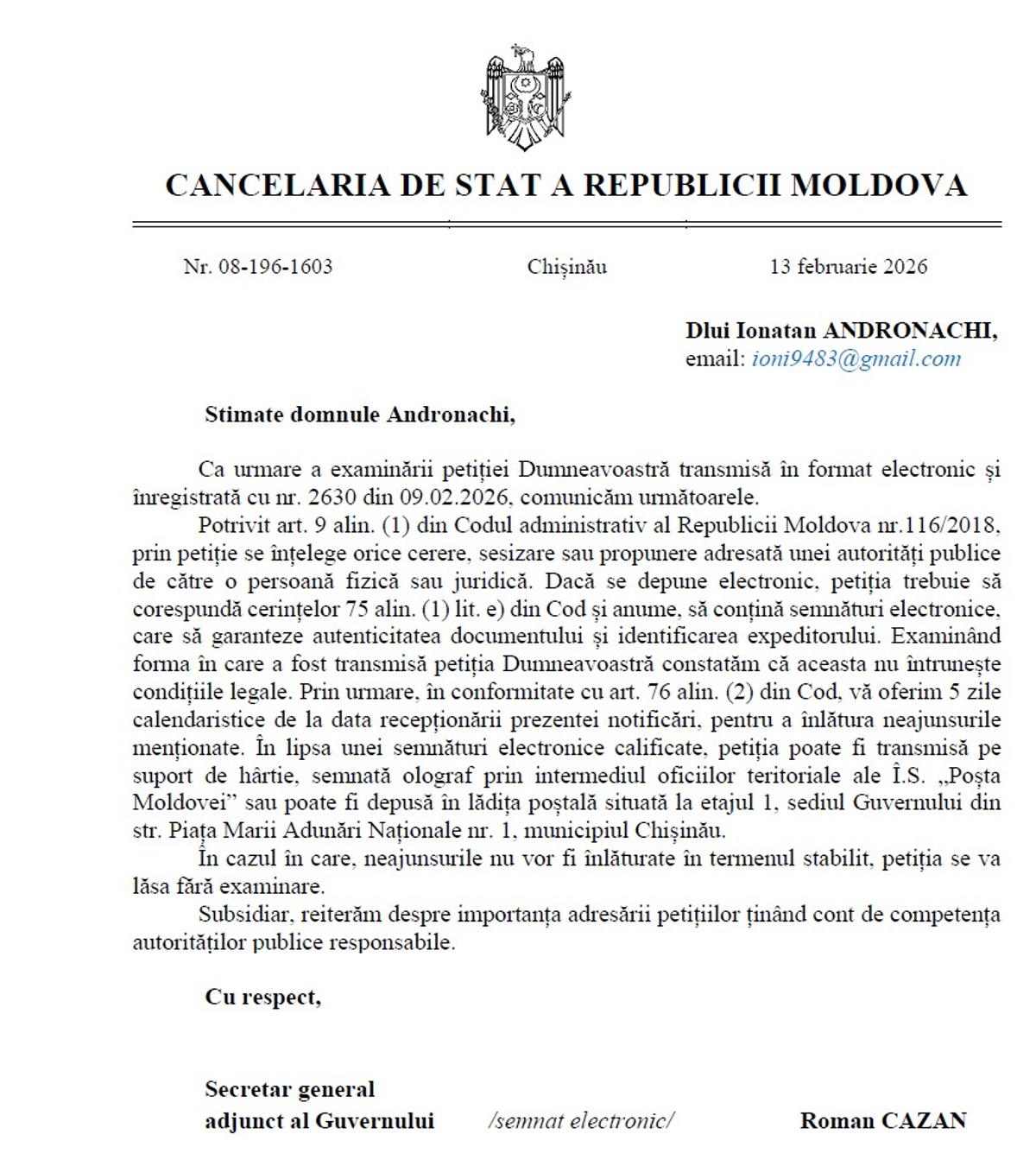
- •Government agencies disputed responsibility for portal security
- •DataBreaches alerted authorities; no official response received
- •Potential victims urged to change passwords and IDs
Pulse Analysis
The cariere.gov.md breach underscores how legacy government systems can become treasure troves for attackers when basic security controls are missing. Unlike modern platforms that enforce multi‑factor authentication and encrypted storage, this portal relied on static URLs, allowing anyone with a simple script to harvest thousands of personal files. The exposed data set includes highly sensitive identifiers such as government IDs, medical 0‑86 forms, and criminal records, which can be weaponized for identity theft, fraud, or targeted phishing campaigns against Moldovan citizens.
The fallout reveals a deeper governance problem: multiple agencies deflected responsibility, leaving the portal’s owner, Cancelaria, and the national cybersecurity body, STISC, at odds. This “hot‑potato” approach hampers coordinated incident response and violates emerging EU‑wide expectations for timely breach disclosure under GDPR‑aligned regulations. Without clear accountability, affected individuals may never receive official notifications, eroding public trust in digital government services and potentially inviting scrutiny from European oversight bodies.
For organizations handling sensitive personal data, the Moldovan case serves as a cautionary tale. Implementing mandatory authentication, regular penetration testing, and robust logging are essential first steps. Moreover, establishing a clear chain of responsibility and a transparent communication protocol can mitigate legal exposure and protect citizen confidence. As more Eastern European states align with EU data protection frameworks, failures like this will likely trigger stricter compliance audits and could accelerate legislative reforms aimed at bolstering public‑sector cybersecurity.
Data Protection Failures on Moldovan Portals Leave Citizens at Risk
0
Comments
Want to join the conversation?
Loading comments...