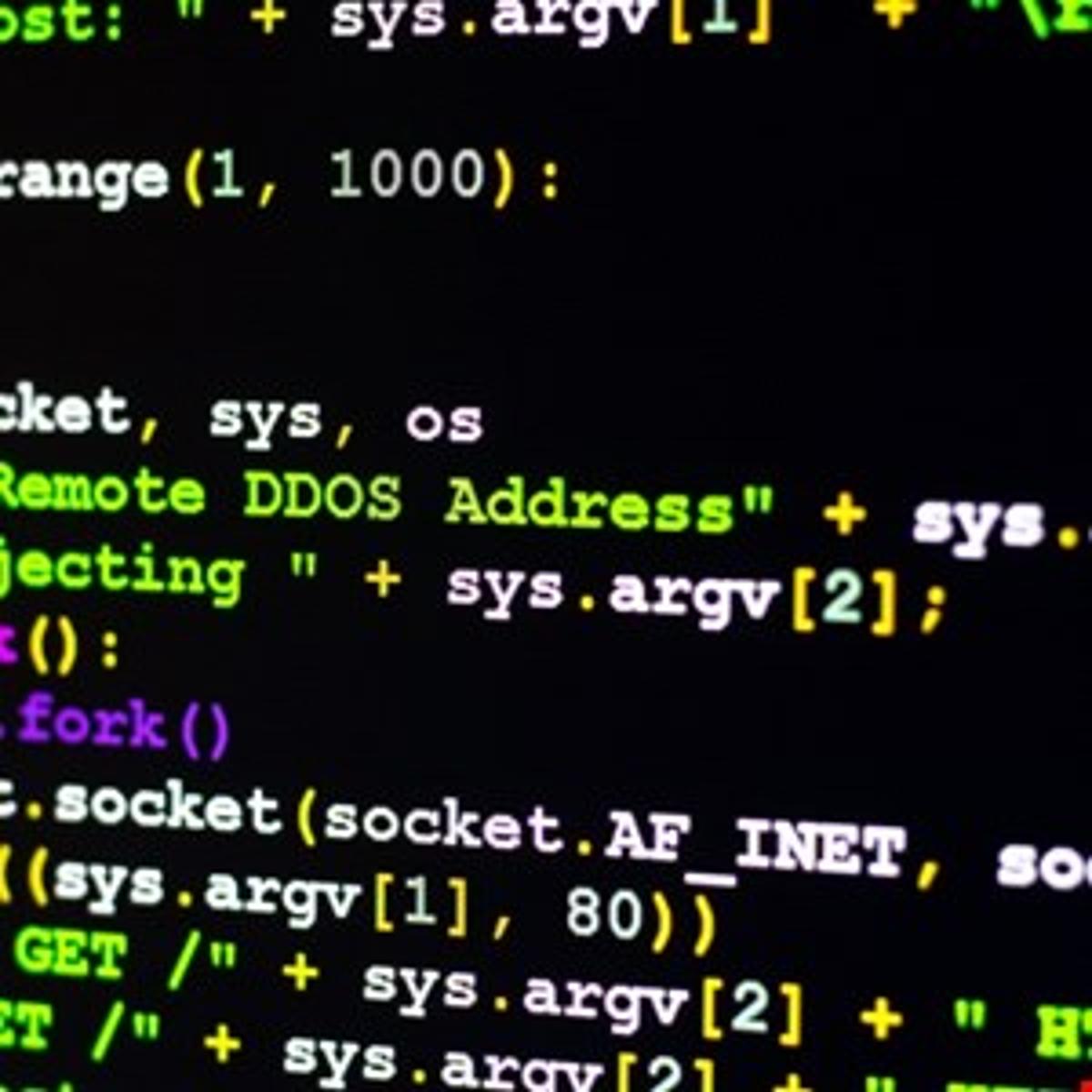
DDoS-For-Hire Services Disrupted by International Police Action in ‘Operation PowerOff’
Why It Matters
By crippling the boot‑er ecosystem, the raid reduces the low‑skill barrier to launching DDoS attacks, protecting businesses and critical online services worldwide.
Key Takeaways
- •53 DDoS‑for‑hire domains taken down in Operation PowerOff.
- •Databases with over 3 million criminal accounts seized.
- •Four suspects arrested across multiple jurisdictions.
- •75,000 warning emails sent to potential DDoS service users.
- •21 countries collaborated, underscoring global cyber‑crime cooperation.
Pulse Analysis
Distributed Denial of Service attacks have evolved from niche exploits to a commoditized service that anyone can purchase with a few clicks. Known as "booter" or DDoS‑for‑hire platforms, these services lower the technical threshold, enabling extortion, hacktivism, and competitive sabotage. Their prevalence has forced businesses to invest heavily in mitigation tools, while insurers grapple with rising cyber‑risk premiums. The market’s rapid growth underscores why law‑enforcement disruption is critical to curbing the broader cyber‑crime economy.
Operation PowerOff marked a rare convergence of law‑enforcement agencies, cybersecurity firms, and intelligence units from 21 countries. The coordinated takedown of 53 domains and the seizure of databases holding over three million user profiles dealt a decisive blow to the supply chain of DDoS‑for‑hire. Four individuals were arrested, and more than 100 advertising URLs were scrubbed from search results. By leveraging the harvested data, authorities dispatched 75,000 warning emails and public notices on cryptocurrency platforms, aiming to deter both current and prospective buyers.
The raid sends a clear signal that transnational cooperation can dismantle even the most resilient cyber‑crime infrastructures. For enterprises, the reduced availability of cheap DDoS services translates into lower exposure, but vigilance remains essential. Organizations should continue to harden network defenses, maintain incident‑response playbooks, and monitor threat‑intel feeds for emerging attack vectors. Meanwhile, policymakers are urged to harmonize legal frameworks and share attribution data, ensuring that future operations can replicate the success of PowerOff and further shrink the illicit DDoS marketplace.
DDoS-For-Hire Services Disrupted by International Police Action in ‘Operation PowerOff’
Comments
Want to join the conversation?
Loading comments...