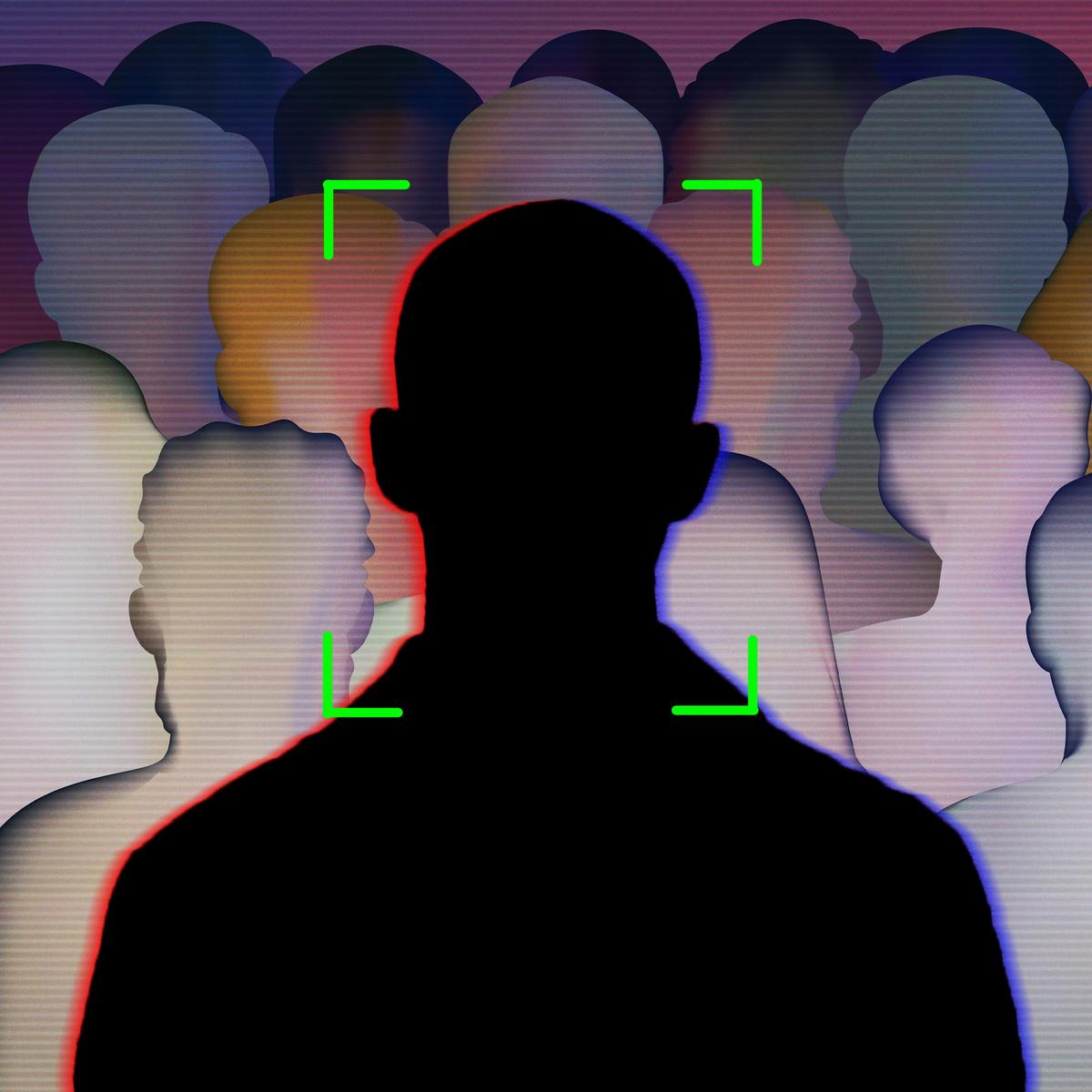
Disneyland Now Uses Face Recognition on Visitors
Why It Matters
Biometric entry promises faster guest throughput but raises privacy and data‑security concerns, prompting scrutiny from regulators and consumer‑rights groups.
Key Takeaways
- •Disney offers optional face‑recognition lanes at Disneyland and California Adventure
- •Images converted to numeric templates, deleted after 30 days unless needed legally
- •Opt‑out still captures photos; privacy advocates warn of broader surveillance
- •Similar tech used in airports, stadiums, and law‑enforcement agencies
- •Disney joins trend of venues leveraging biometric ID for speed, security
Pulse Analysis
Disney’s rollout of optional face‑recognition lanes marks a significant shift in how theme‑park operators balance convenience with privacy. By converting a guest’s facial features into a temporary numeric template, the system can verify identity in seconds, reducing wait times at ticket gates and potentially streamlining cashless payments. For a brand that markets seamless, immersive experiences, the technology dovetails with Disney’s broader digital strategy, which includes mobile ordering, RFID wristbands, and AI‑driven personalization.
However, the opt‑out design does not fully shield visitors from image capture; standard entrances still photograph guests, feeding a growing database of facial data. Disney’s policy of deleting templates after 30 days—except for legal or fraud‑prevention needs—mirrors industry best practices but leaves open questions about data security, consent management, and potential misuse. Consumer‑rights groups argue that even short‑term storage can be vulnerable to breaches, and legislators in several states are considering stricter biometric‑privacy statutes that could affect Disney’s rollout.
Disney’s move reflects a broader commercial trend, as airports, sports arenas, and retail chains adopt biometric verification to accelerate throughput and enhance security. The technology’s diffusion raises competitive pressures: operators that lag may face guest dissatisfaction, while early adopters risk regulatory backlash. As biometric standards evolve and privacy regulations tighten, companies like Disney will need robust governance frameworks to protect data, ensure transparent opt‑in processes, and maintain public trust while leveraging the efficiency gains that facial recognition promises.
Disneyland Now Uses Face Recognition on Visitors
Comments
Want to join the conversation?
Loading comments...