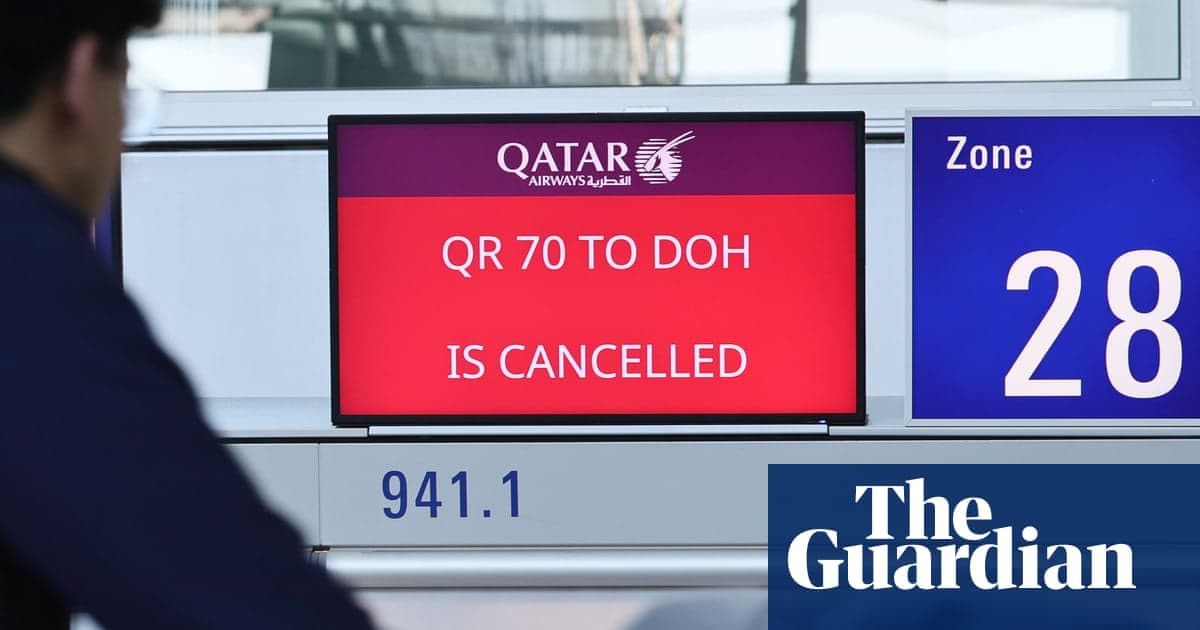
‘DM Your Details’: Travellers Warned of Scam Airline Accounts as Iran War Disrupts Flights
Why It Matters
The scams exploit heightened travel uncertainty, exposing millions of passengers to financial loss and eroding trust in airline communications. Prompt awareness can prevent fraud and protect consumer confidence in the travel sector.
Key Takeaways
- •Scammers mimic airline accounts on X during Iran conflict
- •Fraudsters request direct messages with personal and payment details
- •Low follower counts often indicate fake airline support accounts
- •Victims lose money via bogus refund links to digital wallets
- •Airlines warn they never request passwords via social media
Pulse Analysis
The surge in Middle‑East geopolitical tension has created a perfect storm for cyber‑criminals targeting air travelers. As airlines scramble to manage cancellations and re‑bookings, passengers turn to social platforms for real‑time assistance. Fraudsters capitalize on this urgency by creating counterfeit airline profiles that mirror official branding, complete with logos and generic support names. By slipping into the conversation thread, they lure users into private messages where they request phone numbers, email addresses, or direct payment details, often promising expedited refunds. This tactic leverages the trust users place in perceived official channels, making the deception especially effective during periods of heightened uncertainty.
Understanding the tell‑tale signs of these scams is essential for both consumers and industry stakeholders. Fake accounts typically have single‑digit follower counts, lack verified badges, and use ambiguous usernames such as "support team" or "guest services care." They also avoid linking back to the airline’s verified website, instead directing victims to external money‑transfer apps or digital wallets. Financial institutions like Santander have reported a spike in fraud complaints linked to these schemes, highlighting the broader economic impact. Airlines are responding by issuing blanket warnings—Etihad, for example, explicitly states it will never request passwords or payment details via direct messages—while urging travelers to verify account authenticity through official channels.
For the travel industry, the ramifications extend beyond immediate monetary loss. Repeated exposure to phishing attacks can damage brand reputation and erode passenger confidence in digital communication channels. Companies must reinforce their social‑media verification processes, promote clear guidance on official support handles, and collaborate with platforms to swiftly remove counterfeit profiles. Simultaneously, regulators and consumer protection agencies should amplify public awareness campaigns, emphasizing the risks of sharing sensitive information online. By combining proactive airline communication with vigilant consumer behavior, the sector can mitigate fraud risks and restore trust in the post‑crisis travel ecosystem.
‘DM your details’: Travellers warned of scam airline accounts as Iran war disrupts flights
Comments
Want to join the conversation?
Loading comments...