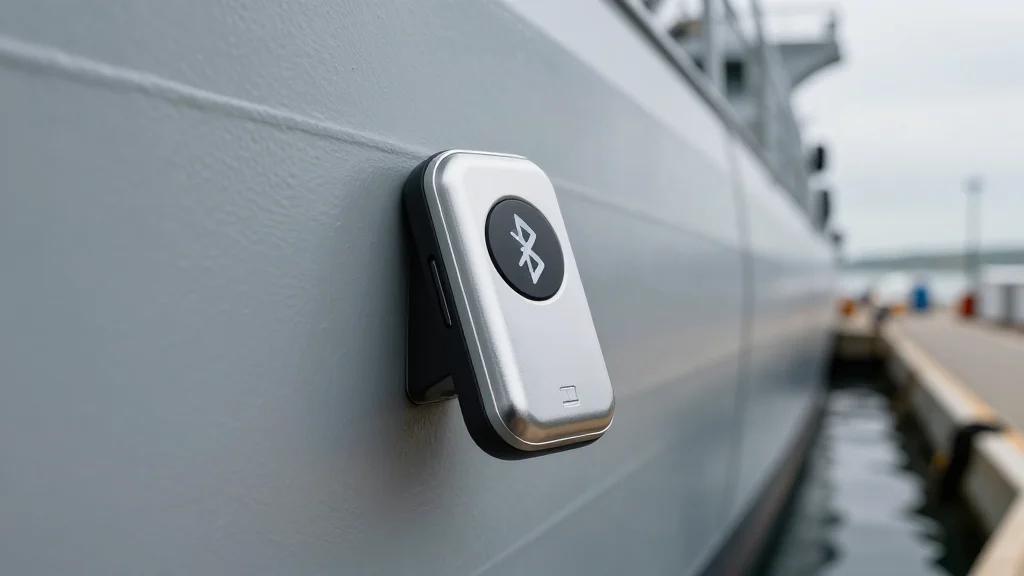
Dutch Warship Compromised with $5 Tracker and a Postcard
Why It Matters
The breach reveals a critical gap in NATO’s mail‑screening protocols, exposing warships to real‑time location tracking by adversaries. It underscores the need for tighter inspection standards to protect operational security in contested regions.
Key Takeaways
- •$5 Bluetooth tracker slipped through Dutch postal screening
- •Tracker hidden in postcard sent via military mail system
- •Frigate HNLMS Eversten supports carrier Charles de Gaulle in Mediterranean
- •X‑ray scans miss small devices inside sealed envelopes
- •Incident highlights NATO vulnerability to low‑cost tracking tech
Pulse Analysis
The proliferation of ultra‑cheap Bluetooth trackers, often marketed for personal belongings, has created an unexpected security challenge for militaries worldwide. These devices, typically costing under $10, can broadcast precise location data to anyone with a compatible app, making them attractive tools for intelligence gathering. Their small size and battery life allow them to be concealed in everyday items, bypassing traditional detection methods that focus on larger, more obvious threats. As consumer IoT devices become more sophisticated, the line between civilian convenience and military vulnerability blurs.
In the recent Dutch incident, a reporter exploited the standard military postal process to deliver a $5 tracker to the HNLMS Eversten, a NATO air‑defence frigate operating alongside the French carrier Charles de Gaulle. While the ship’s mail is routinely scanned by X‑ray machines, the procedure does not require opening sealed envelopes, allowing the tracker to pass unnoticed. This gap illustrates how routine logistics can become an attack vector, especially when adversaries leverage low‑cost, off‑the‑shelf technology to gain situational awareness of high‑value assets. The episode also raises questions about the adequacy of current NATO mail‑handling guidelines across member navies.
The broader implication is a call for NATO and allied forces to reassess security protocols for all inbound items, integrating more granular scanning technologies such as millimeter‑wave imaging or chemical detection that can identify electronic components without compromising mail integrity. Additionally, ships may need to adopt onboard counter‑measures, like Bluetooth signal jamming or continuous spectrum monitoring, to detect unauthorized transmitters. Strengthening these defenses is essential to preserve operational secrecy and deter adversaries from exploiting the cheap, ubiquitous nature of consumer tracking devices in future maritime conflicts.
Dutch warship compromised with $5 tracker and a postcard
Comments
Want to join the conversation?
Loading comments...