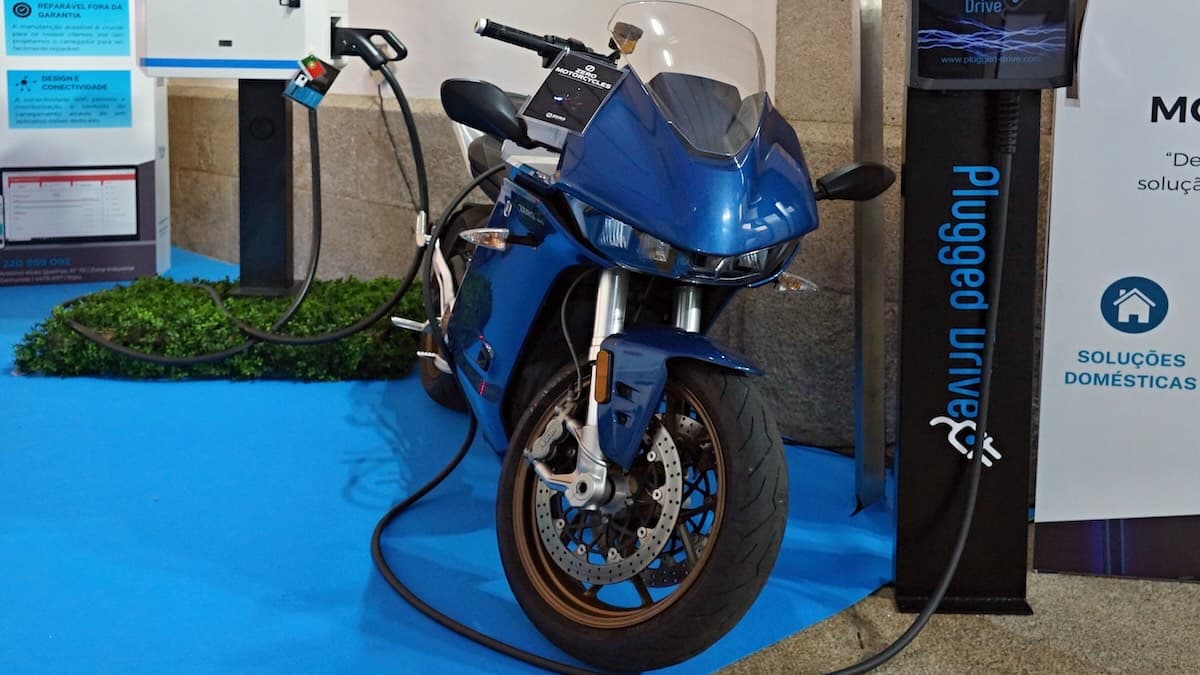
Electric Motorcycles and Scooters Face Hacking Risks to Security and Rider Safety
Why It Matters
These vulnerabilities expose riders to physical harm and could trigger recalls, liability claims, and tighter regulatory scrutiny for the fast‑growing e‑mobility sector.
Key Takeaways
- •Zero Motorcycles Bluetooth flaw allows malicious firmware upload.
- •Exploited firmware can alter throttle, brakes, or battery safety.
- •CISA rates Zero issue medium severity; patch expected May 2026.
- •Yadea T5 scooter weak authentication enables remote unlock and start.
- •No Yadea patch released yet; vulnerability classified high severity.
Pulse Analysis
The electric motorcycle and scooter market is booming, with manufacturers embedding Bluetooth, cellular and OTA update capabilities to attract tech‑savvy consumers. While connectivity enhances user experience, it also expands the attack surface, turning everyday rides into potential cyber‑physical threats. Industry analysts warn that as sales surge, manufacturers must embed security by design, not as an afterthought, to protect both brand reputation and public safety.
Zero Motorcycles’ Bluetooth pairing window bypass illustrates a classic IoT flaw: insufficient device authentication during initial connection. By exploiting CVE‑2026‑1354, a nearby adversary can pair, gain trusted status, and push rogue firmware that manipulates core control units governing torque, regenerative braking, and battery thermal management. Such manipulation could cause sudden acceleration, brake failure, or battery overheating, turning a routine commute into a hazardous incident. CISA’s medium‑severity rating reflects the high technical complexity, yet the vendor’s commitment to a May 2026 firmware patch signals a reactive posture that may lag behind emerging threats.
Yadea’s T5 scooter suffers a high‑severity authentication weakness that lets attackers capture and replay lock commands to issue unlock or start instructions. The attack requires only proximity, making public parking areas a prime vector. Without an available patch, owners face immediate theft risk, prompting calls for mandatory over‑the‑air updates and stricter compliance standards. Regulators worldwide are watching these incidents as precedents for future e‑vehicle safety mandates, while consumers increasingly demand transparent security practices before adopting connected two‑wheelers.
Electric Motorcycles and Scooters Face Hacking Risks to Security and Rider Safety
Comments
Want to join the conversation?
Loading comments...