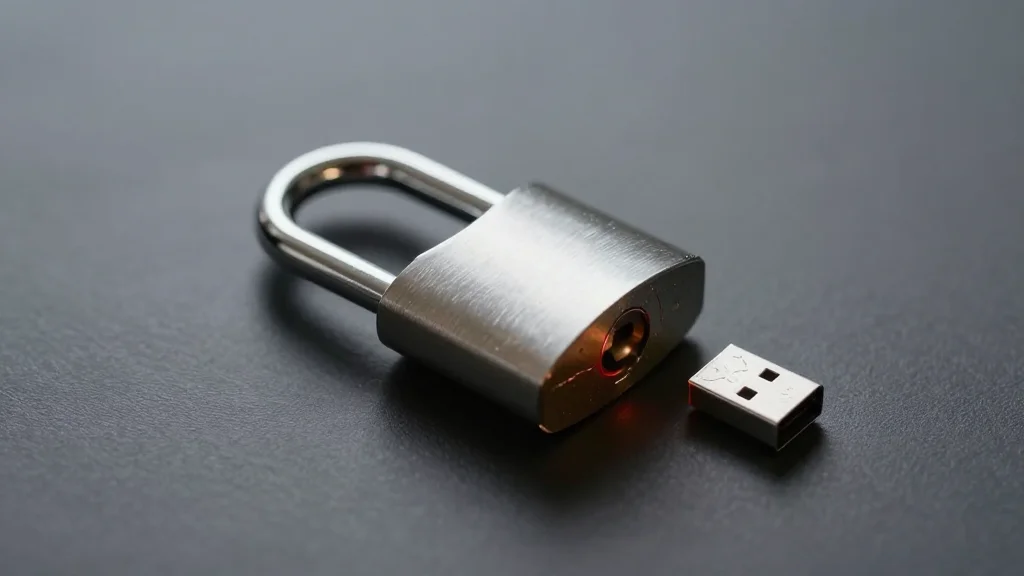
EU Age‑Verification App Cracked in Under Two Minutes, Raising Security Alarm

Why It Matters
The breach underscores the challenges of deploying privacy‑focused technology at scale, especially when regulatory deadlines pressure rapid releases. A compromised age‑verification system could expose millions of minors' personal data, eroding public trust in EU digital safeguards. Moreover, the flaw threatens the credibility of the Digital Services Act, which relies on robust technical solutions to enforce content standards. If unresolved, the vulnerability may prompt member states to adopt divergent verification methods, fragmenting the single‑market approach the Commission sought. Beyond the immediate privacy risk, the incident highlights a broader industry dilemma: balancing user privacy with security. Zero‑knowledge proofs promise minimal data exposure, yet implementation errors can create attack vectors that defeat the very purpose of the technology. The EU’s experience may serve as a cautionary tale for other jurisdictions pursuing similar privacy‑by‑design frameworks.
Key Takeaways
- •Security consultant Paul Moore hacked the EU age‑verification app in under two minutes.
- •White‑hat hacker Baptiste Robert confirmed the vulnerability involving stored user PINs.
- •EU Commission President Ursula von der Leyen promoted the app as "technically ready" and privacy‑centric.
- •Executive Vice‑President Virukken claimed the app uses zero‑knowledge proof to protect data.
- •The flaw could delay mandatory adoption and trigger regulatory penalties under the Digital Services Act.
Pulse Analysis
The EU’s age‑verification rollout illustrates the perils of policy‑driven tech launches without exhaustive security vetting. Historically, large‑scale digital initiatives—such as the GDPR compliance tools—have suffered from similar gaps between legislative intent and technical execution. In this case, the rush to meet child‑safety mandates collided with a flawed implementation of cryptographic principles, exposing a classic trade‑off: speed versus security.
From a market perspective, the vulnerability may stall the ecosystem of vendors poised to integrate the app into their platforms. Companies that have already invested in adapting their services to the EU’s verification standards could face sunk costs, while new entrants may hesitate until a robust patch is confirmed. This uncertainty could also give an edge to alternative verification solutions that prioritize independent security audits, reshaping the competitive landscape.
Looking ahead, the Commission’s response will be pivotal. A transparent remediation process, possibly involving third‑party security audits, could restore confidence and reinforce the EU’s reputation as a leader in privacy‑by‑design. Conversely, a delayed or opaque fix may fuel skepticism about the EU’s ability to enforce digital regulations, encouraging member states to pursue fragmented, national solutions. The episode serves as a reminder that effective cybersecurity is as much about governance and oversight as it is about code.
EU Age‑Verification App Cracked in Under Two Minutes, Raising Security Alarm
Comments
Want to join the conversation?
Loading comments...