FBI Alerts on Silent Ransom Group’s IT‑Impersonation Scheme Targeting U.S. Law Firms

Companies Mentioned
Why It Matters
The Silent Ransom Group’s tactics blur the line between classic ransomware and outright data theft, forcing organizations to rethink incident‑response plans that traditionally focus on encryption recovery. By targeting law firms, the group threatens attorney‑client privilege, potentially compromising litigation strategies and exposing sensitive personal information. The FBI’s alert signals that other sectors handling confidential data—healthcare, finance, and government—could become next‑in‑line if they do not tighten physical and cyber hygiene. Moreover, the hybrid approach demonstrates how threat actors can adapt to security controls that have hardened against purely remote attacks. Physical presence circumvents network segmentation and endpoint detection, making it harder for security teams to detect the breach until data has already left the premises. This evolution may drive a broader industry shift toward integrated physical‑cyber security frameworks and more rigorous verification of third‑party service providers.
Key Takeaways
- •FBI flash alert (May 26) warns Silent Ransom Group is impersonating IT staff to infiltrate U.S. law firms.
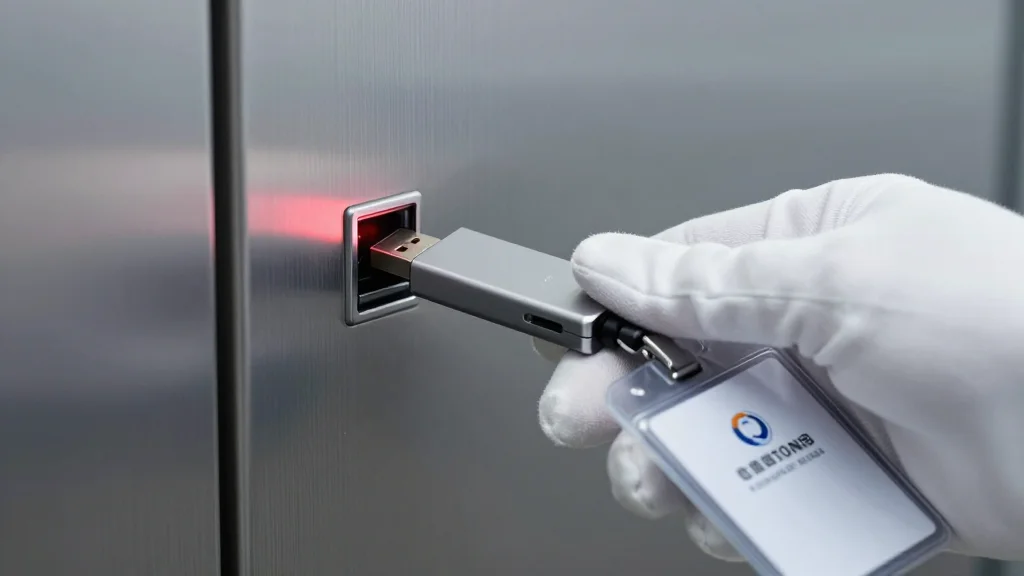
- •Group uses phone or phishing lures for remote‑desktop access, then escalates to in‑person visits with external drives.
- •SRG exfiltrates data via WinSCP, Rclone, Google Drive, OneDrive and threatens victims on a public‑shaming leak site.
- •Known aliases include Luna Moth, Chatty Spider, UNC3753; linked to prior BazarCall, Conti and Ryuk ransomware campaigns.
- •FBI recommends MFA, visitor verification, monitoring for unauthorized remote‑access tools, and regular offline backups.
Pulse Analysis
The emergence of SRG’s in‑person intrusion model reflects a broader trend where ransomware groups are diversifying beyond pure encryption attacks. Historically, ransomware economics hinged on the ability to lock systems and demand payment for decryption keys. SRG, however, sidesteps the downtime cost for victims by stealing data outright and leveraging the reputational damage of exposure. This shift aligns with the rise of "double extortion" tactics, where attackers first exfiltrate data and then threaten publication, but SRG takes it a step further by physically removing the data, reducing the window for detection.
For the legal industry, the implications are profound. Confidential client files are not just a privacy issue; they can affect case outcomes, settlement negotiations, and regulatory compliance. A breach that exposes privileged communications could lead to sanctions, malpractice claims, and loss of client trust. The FBI’s alert may prompt law firms to invest in physical security measures—badge controls, visitor escorts, and secure workstations—areas traditionally under‑invested compared to network security.
From a market perspective, vendors offering endpoint detection and response (EDR) solutions may see increased demand for capabilities that can detect anomalous USB activity and unauthorized remote‑access software installations. Likewise, managed security service providers (MSSPs) could expand advisory services around visitor‑access policies and employee training. As threat actors continue to blend social engineering with physical tactics, the cybersecurity industry will need to deliver integrated solutions that address both digital and human vectors, reshaping how organizations defend against the next generation of ransomware.
FBI Alerts on Silent Ransom Group’s IT‑Impersonation Scheme Targeting U.S. Law Firms
Comments
Want to join the conversation?
Loading comments...