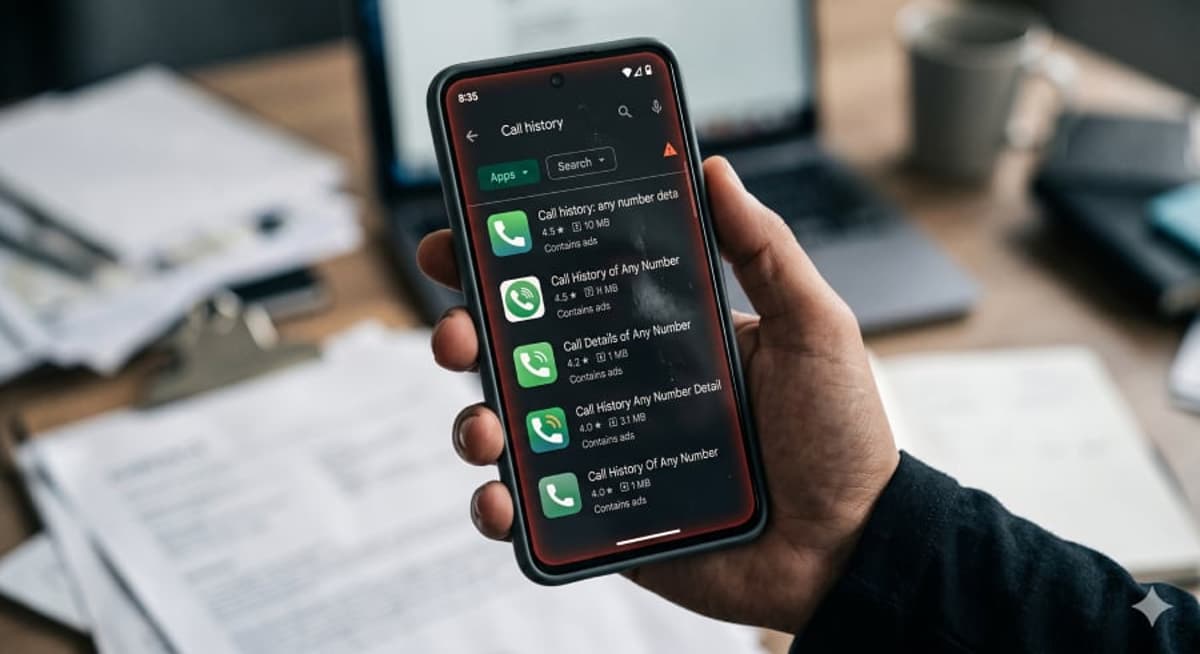
Google Play Scam Apps Hit 7.3M Downloads with Fake Call Logs
Companies Mentioned
Why It Matters
The scheme demonstrates how low‑tech scams can achieve massive scale on major app platforms, exposing gaps in Google Play’s vetting and highlighting the financial risk to consumers, especially in emerging markets.
Key Takeaways
- •CallPhantom apps amassed 7.3 M downloads before removal.
- •Apps fabricated call logs, charging users up to $80.
- •Payments routed via Google Play, India's UPI, and in‑app card forms.
- •Top five listings each exceeded 500 K installs, targeting India.
- •Scam underscores need for stricter app‑store vetting and user vigilance.
Pulse Analysis
Mobile app ecosystems have become fertile ground for low‑effort fraud, and the CallPhantom episode underscores that sophistication isn’t required to harvest millions of users. By packaging a seemingly innocuous utility—"Call History of Any Number"—the scammers tapped into a universal curiosity about private communications. The fake screenshots and fabricated call entries created a veneer of legitimacy, while the app store’s algorithmic promotion amplified visibility. This blend of psychological bait and platform trust allowed the malicious suite to cross the 7‑million‑download threshold before Google intervened.
The payment architecture of CallPhantom reveals a fragmented risk landscape. While Google Play subscriptions offered a familiar checkout, many users were funneled to third‑party payment channels, notably India’s UPI system, and direct card forms embedded within the apps. Such pathways bypass Google’s refund mechanisms, leaving victims to chase refunds through banks or card issuers. The price spectrum—from a modest $5.40 equivalent to a steep $80—illustrates how scammers calibrate offers to different user segments, maximizing revenue while exploiting regulatory blind spots in cross‑border digital payments.
For developers and platform operators, the fallout prompts a reassessment of app‑store governance. Automated scanning must evolve beyond code signatures to detect deceptive marketing claims and fabricated UI elements. Moreover, clearer user education—highlighting that no legitimate app can retrieve another’s call logs—can curb demand for such services. As mobile commerce expands in regions like South Asia, tighter collaboration between app marketplaces, payment networks, and consumer protection agencies will be essential to deter similar scams and restore confidence in the app economy.
Google Play Scam Apps Hit 7.3M Downloads with Fake Call Logs
Comments
Want to join the conversation?
Loading comments...