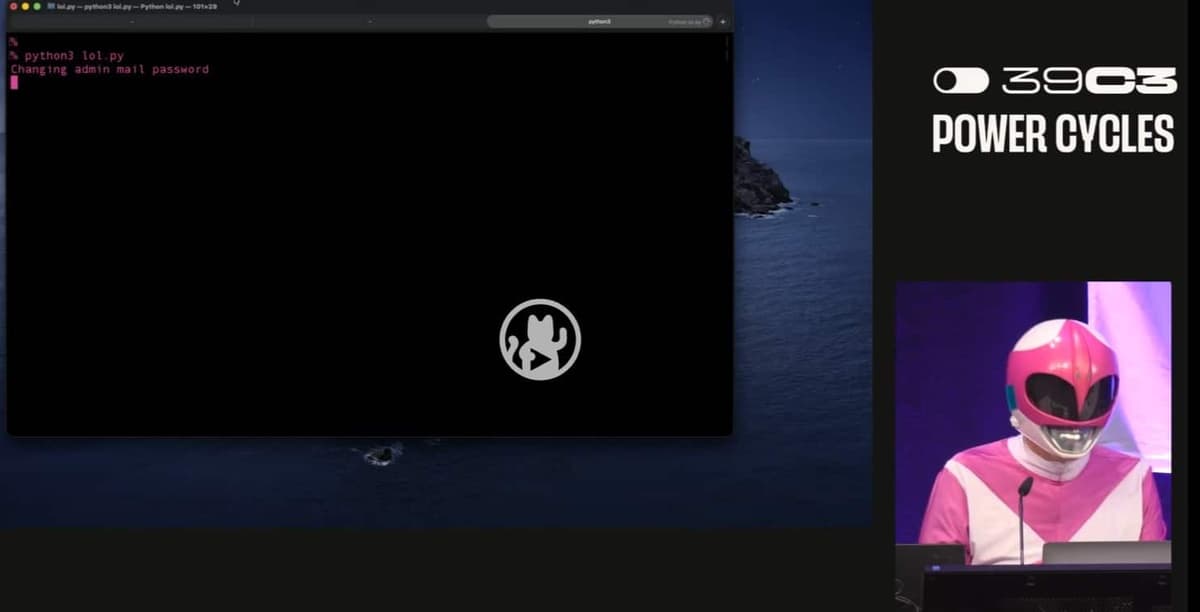
Hacktivist Exposes and Deletes White Supremacist Websites Live at Conference
•January 6, 2026
0
Companies Mentioned


Why It Matters
The breach reveals how poorly secured extremist platforms can be weaponized, raising urgent privacy and security concerns for vulnerable users. It also sparks a debate over the legality and ethics of hacktivist interventions against hate‑filled online ecosystems.
Key Takeaways
- •Hacktivist deleted three white supremacist sites live
- •Data of 6,000+ users leaked publicly
- •AI chatbot used to harvest user information
- •Sites' poor security exposed extremist infrastructure
- •Legal and ethical debates on hacktivism intensify
Pulse Analysis
The live demolition of WhiteDate, WhiteChild and WhiteDeal at the Chaos Communication Congress underscores a new frontier in hacktivism, where activists combine theatrical flair with technical precision. By commandeering the servers in front of a global audience, Martha Root turned a conference presentation into a real‑time strike against extremist infrastructure, highlighting the vulnerability of niche platforms that often operate under the radar of mainstream cybersecurity oversight.
Beyond the dramatic shutdown, the incident exposed a trove of personal data belonging to over 6,000 users. Root’s custom AI chatbot engaged site members, automating OSINT techniques to extract profiles, location metadata, and demographic details. The leaked dataset, now indexed by DDoSecrets and HaveIBeenPwned, illustrates how low‑cost automation can amplify the impact of a breach, turning a single hack into a mass privacy violation that could endanger individuals in extremist circles.
The fallout raises complex legal and ethical questions. While the hacktivist narrative frames the act as a public‑interest crusade against hate, authorities may view it as cyber‑terrorism, potentially prompting new legislation targeting activist‑driven intrusions. For cybersecurity firms, the episode is a cautionary tale: even fringe extremist sites must adopt robust security hygiene, or they risk becoming collateral in broader societal battles over free speech, safety, and digital rights.
Hacktivist Exposes and Deletes White Supremacist Websites Live at Conference
0
Comments
Want to join the conversation?
Loading comments...