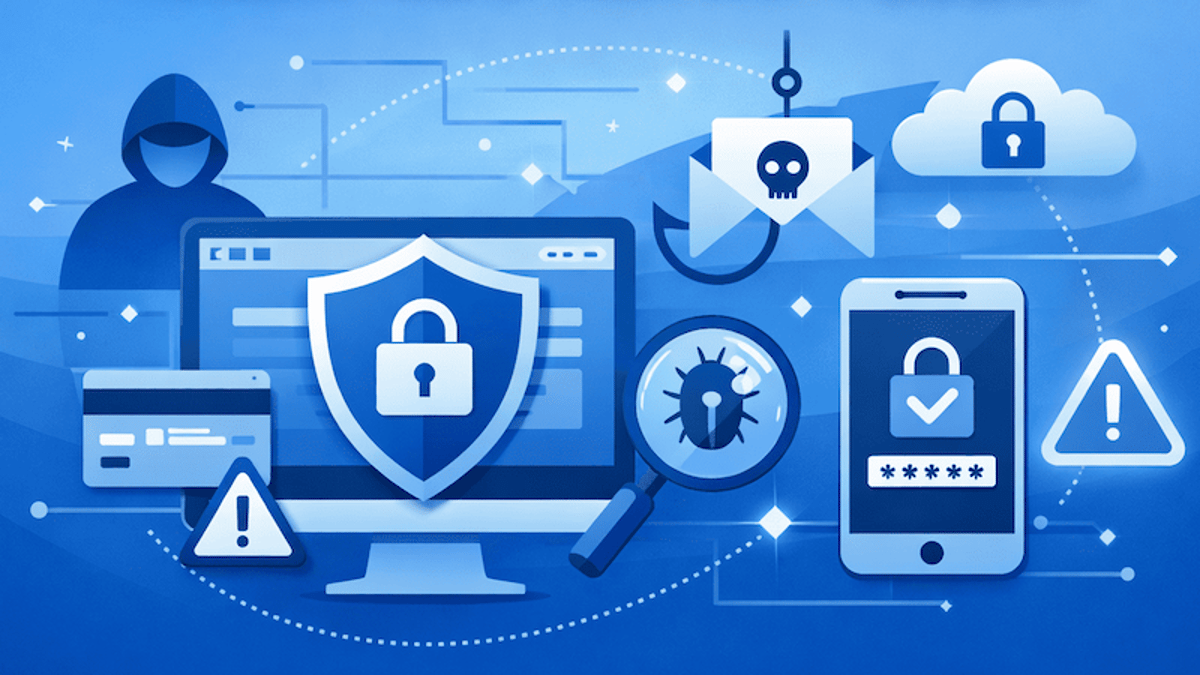
How to Add Security Layers to Your Agency Web Hosting Setup
Why It Matters
A multi‑layered security posture prevents widespread client impact, protecting agency revenue and brand trust. It also meets evolving compliance expectations and differentiates agencies in a competitive market.
Key Takeaways
- •Server-level firewalls protect all client sites with a single configuration.
- •Automated SSL issuance eliminates manual renewal risks across portfolios.
- •Continuous malware scanning detects and removes threats without plugin reliance.
- •Enforced MFA and role‑based access drastically cut credential attacks.
- •Daily off‑site backups enable rapid site restoration after breaches.
Pulse Analysis
The web‑hosting landscape for digital agencies has become a prime target for cyber‑criminals, who exploit any weak point to gain access to multiple client sites at once. Traditional point solutions—such as individual WordPress plugins—often leave gaps because they operate in isolation and rely on manual updates. By adopting a defense‑in‑depth model, agencies shift from reactive patching to proactive threat mitigation, ensuring that each security layer catches what the previous one might miss. This holistic approach aligns with industry best practices and satisfies the growing demand for robust, enterprise‑grade protection.
Key components of an effective layered strategy include server‑level firewalls, automated SSL management, continuous malware detection, stringent access controls, reliable backups, and real‑time monitoring. Server firewalls filter malicious traffic before it reaches any site, conserving resources and providing uniform coverage. Automated SSL issuance removes the administrative burden of certificate renewal, while integrated malware scanners operate at the infrastructure level, eliminating reliance on site‑specific plugins that can be disabled. Strengthening authentication with MFA and role‑based permissions curtails credential‑based attacks, and daily off‑site backups guarantee a swift recovery path, minimizing downtime and client churn.
Beyond technical safeguards, layered security delivers tangible business benefits. Agencies that demonstrate comprehensive protection can command higher fees, attract security‑conscious clients, and reduce liability exposure in contract negotiations. Continuous monitoring paired with a documented incident‑response plan transforms security from a static checklist into an adaptive service, keeping defenses aligned with emerging threats. As regulatory pressures intensify and clients demand greater transparency, agencies that embed these layers into their hosting architecture will secure both their digital assets and their market position.
How to Add Security Layers to Your Agency Web Hosting Setup
Comments
Want to join the conversation?
Loading comments...