How to Securely Edit and Redact Sensitive PDFs: A Cybersecurity Guide
•February 17, 2026
0
Why It Matters
Improper PDF handling can trigger costly data breaches and regulatory penalties, making robust redaction and editing controls essential for any organization that processes sensitive documents.
Key Takeaways
- •Metadata can expose sensitive data despite encryption.
- •Standard annotation tools only hide, not delete content.
- •Complete sanitization meets GDPR, HIPAA, and NIST requirements.
- •Enterprise platforms like pdfFiller provide audit‑ready redaction workflows.
- •Role‑based access controls prevent unauthorized PDF editing.
Pulse Analysis
PDF security failures often stem from invisible data embedded within document structures. Beyond encryption, PDFs store author names, file paths, revision histories, and hidden layers that standard viewers ignore. When these artifacts remain after a superficial edit, they become a treasure trove for threat actors using simple extraction tools. Understanding that password protection alone does not purge this information is the first step toward a comprehensive data‑privacy strategy, especially for sectors handling regulated data.
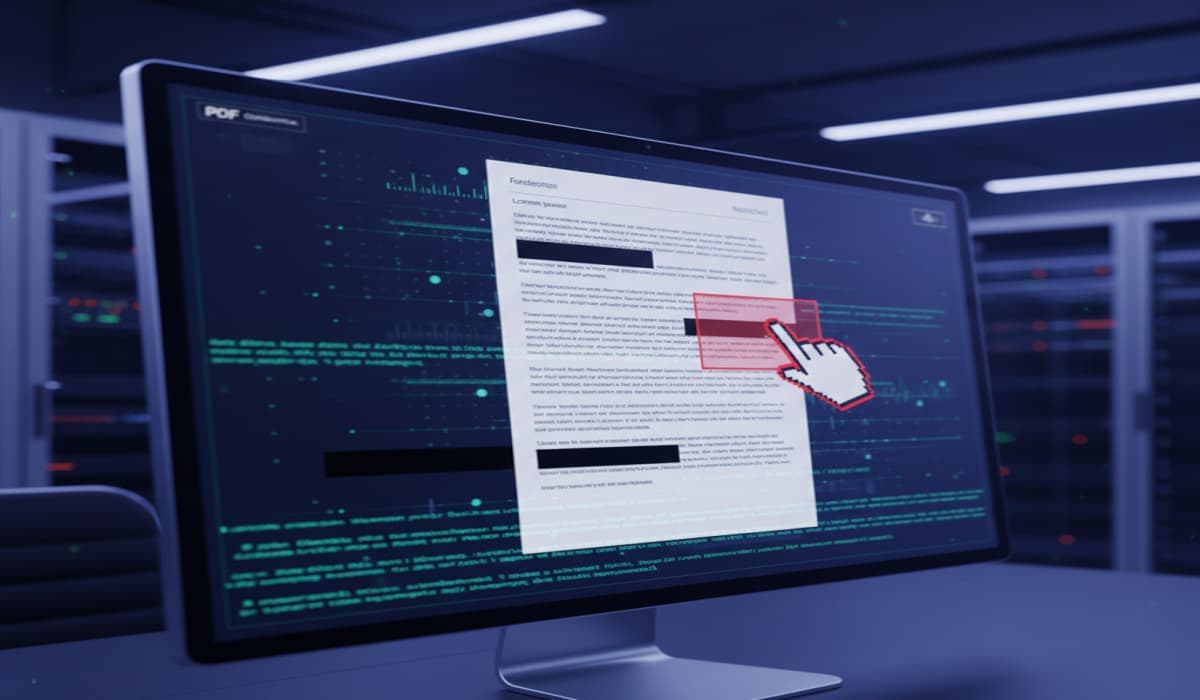
Effective redaction requires more than black boxes; it demands permanent removal of underlying text, images, and metadata. A proper workflow includes searching for sensitive terms across all document elements, applying true redaction marks, and executing a finalization step that rewrites the PDF file structure. This complete sanitization aligns with NIST 800‑88 guidelines and satisfies GDPR’s right‑to‑be‑forgotten and HIPAA’s protected health information mandates. Organizations that rely on visual obscuring expose themselves to compliance breaches and potential fines, underscoring the need for tools that verify redaction integrity at the binary level.
Enterprise solutions such as pdfFiller address these challenges by integrating automated redaction, metadata stripping, and role‑based permissions into a single cloud platform. The service logs every redaction action, generates verification reports for auditors, and enforces SOC 2 Type II encryption for data in transit and at rest. By centralizing password management and providing mobile‑ready editing, pdfFiller enables secure collaboration without sacrificing compliance, making it a strategic asset for legal, healthcare, and financial teams that must protect confidential information.
How to Securely Edit and Redact Sensitive PDFs: A Cybersecurity Guide
0
Comments
Want to join the conversation?
Loading comments...