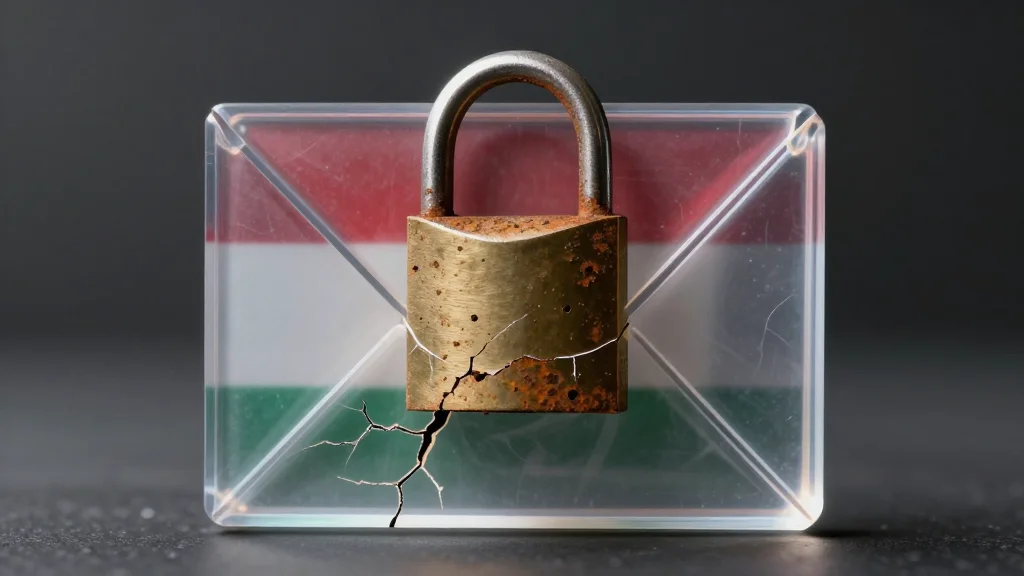
Hungarian Government Email Passwords Exposed Ahead of Election
Why It Matters
The breach compromises sensitive government communications and erodes public confidence in the ruling party’s security narrative, raising geopolitical and electoral risks. It also serves as a cautionary signal for other ministries worldwide to upgrade credential practices.
Key Takeaways
- •~800 Hungarian government email passwords leaked online
- •12 of 13 ministries affected, including security officials
- •Weak passwords like “Password” and “1234567” were common
- •Breach reflects poor email hygiene, not advanced hacking
- •Experts urge password managers and passkeys for public sector
Pulse Analysis
The recent Bellingcat investigation revealed a startling vulnerability within Hungary’s government: nearly 800 email accounts, spanning 12 of the 13 ministries, have had their passwords posted online. The compromised credentials belong to senior officials, including those overseeing national security and counter‑terrorism, and were largely simple strings such as "Password" or sequential numbers. This exposure arrives on the eve of a pivotal election, where Prime Minister Viktor Orbán’s platform emphasizes border protection and resistance to foreign interference, yet the cyber‑defence narrative appears hollow.
Beyond the immediate political fallout, the incident highlights a systemic issue that transcends Hungary. Earlier this year, security firm Specops reported that six billion login records worldwide were compromised, with weak passwords topping the list. When a government’s own staff neglect basic hygiene, the risk of espionage, sabotage, or credential stuffing attacks escalates dramatically. For EU partners and NATO allies, the breach raises concerns about the integrity of shared intelligence channels and the potential for adversaries to exploit similar lapses in allied administrations.
The lesson for corporate and public‑sector leaders is clear: reliance on memorized passwords is obsolete. Deploying password‑manager solutions and emerging passkey technology can dramatically reduce the attack surface, while regular training reinforces good practices. Chief Security Officers must institute mandatory credential audits, enforce multi‑factor authentication, and cultivate a culture where security is viewed as a collective responsibility rather than an IT afterthought. By addressing these gaps now, governments can restore confidence and safeguard critical communications ahead of upcoming elections and beyond.
Hungarian government email passwords exposed ahead of election
Comments
Want to join the conversation?
Loading comments...