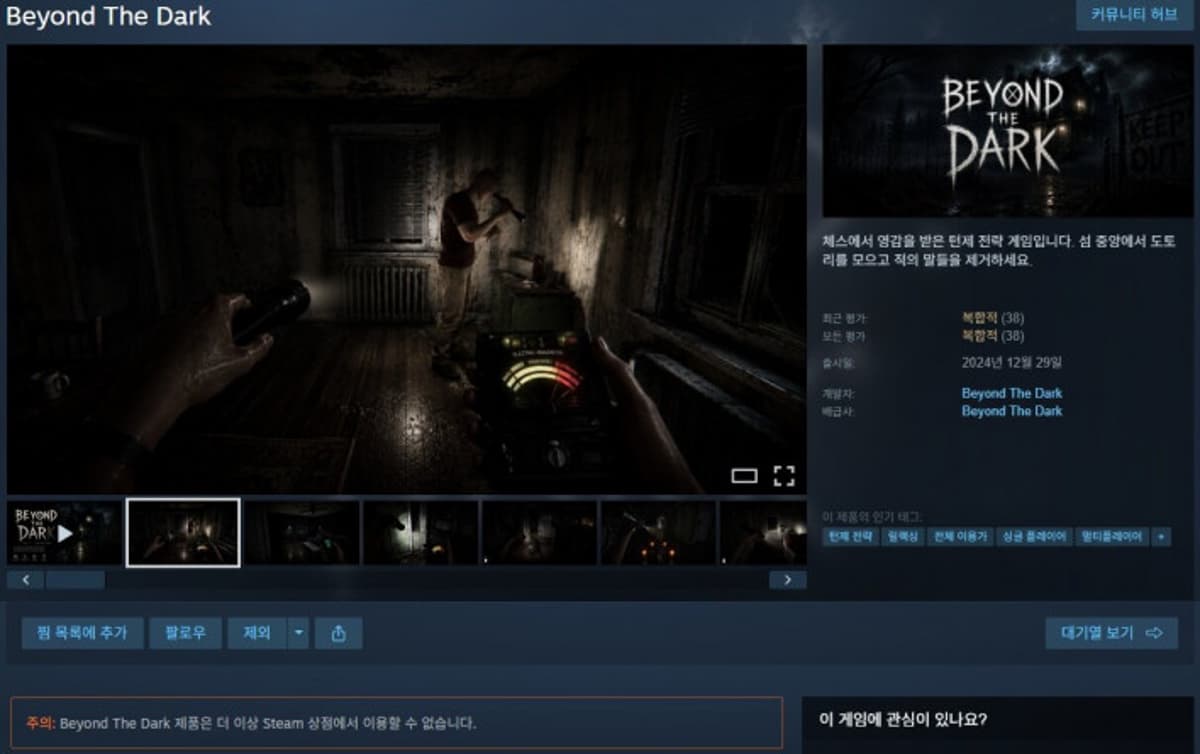
"I Thought It Was a Steam Game"... Malicious Code Found Planted on Users' PCs
Companies Mentioned

Valve
Roblox
RBLX
Why It Matters
The episode highlights how free games can serve as covert malware vectors, raising security stakes for both users and platform operators.
Key Takeaways
- •Beyond the Dark hid a DLL that exfiltrates crypto wallets
- •Malware also captures Roblox account data and enables backdoor installs
- •Valve removed the game from Steam within 24 hours of exposure
- •Asset‑flip games increasingly become a low‑cost malware delivery method
Pulse Analysis
The rise of malicious code embedded in free PC games reflects a broader shift in cyber‑crime tactics. Threat actors exploit the trust users place in reputable platforms like Steam, packaging ransomware‑like payloads inside seemingly innocuous titles. By disguising the malicious DLL as a game asset, attackers bypass traditional antivirus heuristics, targeting gamers who often disable security layers for performance. This method mirrors earlier supply‑chain attacks on popular software, but the low barrier to entry—using AI‑generated or purchased assets—makes it especially attractive for financially motivated hackers.
Security experts warn that the "asset flip" model, where developers cobble together pre‑made graphics and code, creates fertile ground for hidden threats. The "Beyond the Dark" case demonstrates how a mismatched genre description and subpar visuals can be red flags. When combined with rapid distribution channels, a single compromised game can reach millions, harvesting crypto wallets and social‑media credentials in seconds. The incident also underscores the importance of platform vigilance; Valve’s swift removal mitigated further spread, but the initial exposure period still posed significant risk.
For gamers and developers alike, the takeaway is clear: rigorous vetting of free titles is essential. Users should enable real‑time protection, verify game authenticity, and avoid downloading from unofficial sources. Developers must adopt secure build pipelines, conduct code reviews, and consider third‑party scanning before publishing. As the gaming ecosystem continues to expand, proactive security measures will be crucial to prevent malicious code from slipping through the cracks and compromising the broader digital economy.
"I thought it was a Steam game"... Malicious code found planted on users' PCs
Comments
Want to join the conversation?
Loading comments...