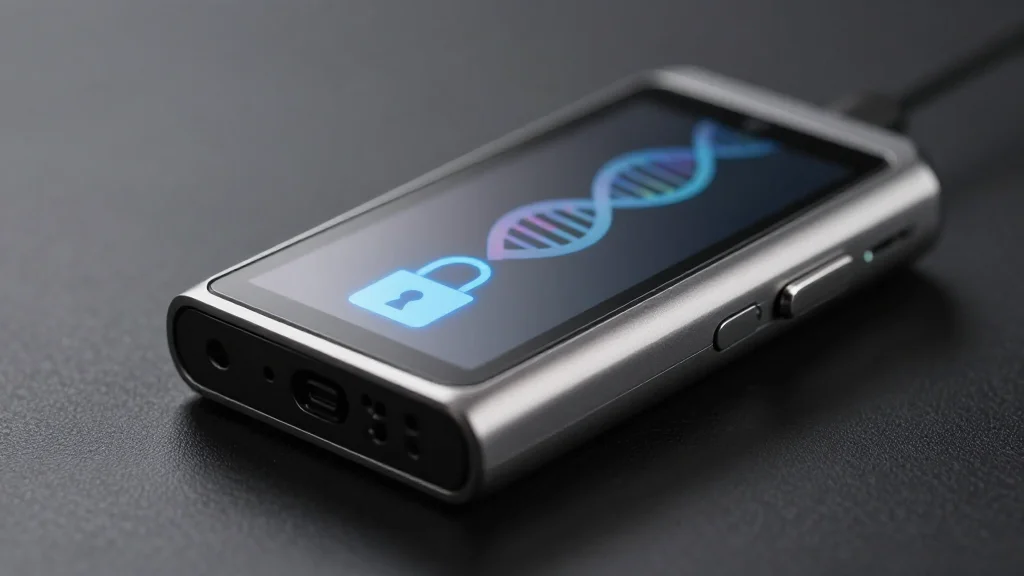
In-Sensor Cryptography Links Physical Process to Digital Identity
Why It Matters
Embedding cryptographic proof at the sensor level provides instant, verifiable authenticity, countering deep‑fake threats and ensuring trust in critical data streams. This shifts verification from post‑hoc analysis to built‑in provenance, reshaping security standards for emerging AI‑driven applications.
Key Takeaways
- •Sensor hashes data in real time, preventing post‑capture tampering.
- •Signatures stored on blockchain ensure immutable provenance.
- •Integrated design reduces attack surface versus separate security modules.
- •Applicable to biomedical, journalism, industrial, and consumer sensors.
- •Adoption hinges on standards and user‑friendly verification tools.
Pulse Analysis
The rise of synthetic media and AI‑generated content has heightened demand for provenance mechanisms that can certify data at its source. In‑sensor cryptography answers this call by performing cryptographic hashing and signing directly within the measurement hardware, turning each data block into a self‑authenticating artifact. This hardware‑rooted approach sidesteps the latency and vulnerability of software‑only solutions, offering a tamper‑evident record that can be verified instantly, a crucial advantage for sectors where split‑second decisions rely on data integrity.
Technically, the innovation merges CMOS sensor arrays with on‑chip hashing engines and public‑key signing circuits, creating a compact, monolithic chip that produces a continuous chain of signed hashes. By publishing these signatures to a decentralized ledger, such as a blockchain, the system leverages distributed consensus to lock the provenance in an immutable record. The integrated architecture also shrinks the attack surface, reducing exposure to side‑channel and man‑in‑the‑middle attacks that plague traditional multi‑component security stacks.
Market implications are broad. In healthcare, authenticated biosignals could streamline regulatory compliance and patient safety. Journalists and law enforcement could embed proof of origin in audio‑visual recordings, bolstering evidentiary value against deep‑fake manipulation. Industrial IoT deployments would gain trustworthy sensor data for predictive maintenance and compliance reporting. However, widespread adoption will require standardized public repositories and intuitive verification tools to make authenticity checks routine for end users. As hardware security becomes a baseline expectation, in‑sensor cryptography is poised to become a cornerstone of the next generation of trustworthy digital ecosystems.
In-Sensor Cryptography Links Physical Process to Digital Identity
Comments
Want to join the conversation?
Loading comments...