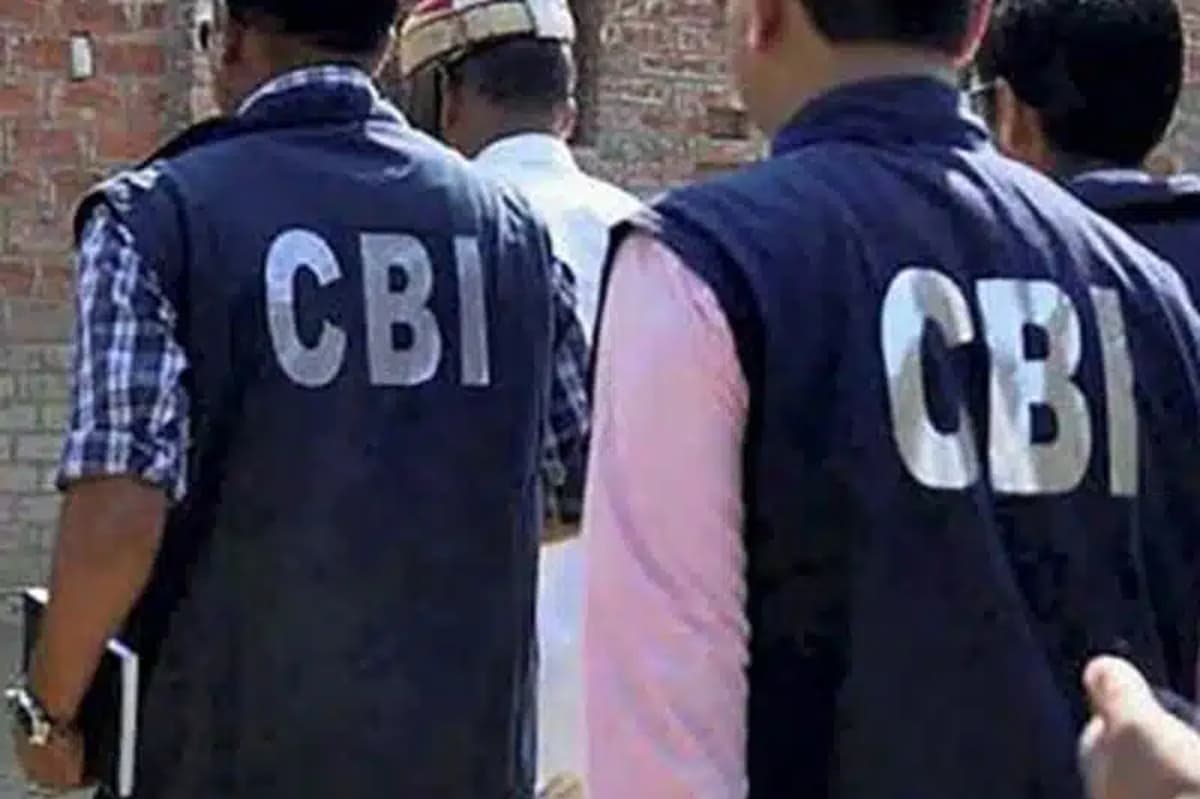
Indian Agency Arrests Key SIM Card Supplier of a Broader Cyber Fraud Network
Why It Matters
Targeting SIM‑card supply chains strikes at a low‑cost, high‑impact enabler of phishing, OTP interception, and extortion schemes, potentially reducing the volume of cyber‑enabled fraud in India’s massive mobile market. The operation also signals tighter regulatory scrutiny of telecom identity verification, a concern for global financial and tech firms that rely on Indian consumer data.
Key Takeaways
- •CBI arrested key SIM supplier in Guwahati, part of Operation Chakra-V
- •Suspect moved ~₹67 lakh ($80k) to buy 10,000 illegal SIMs
- •Network spanned POS agents across eight states, 45 search locations
- •Fraudulent SIMs enable anonymous OTPs, extortion, loan and investment scams
- •Authorities blocked 12 lakh SIMs, highlighting telecom identity abuse threat
Pulse Analysis
Operation Chakra‑V marks a decisive shift in India’s cyber‑crime strategy, moving beyond arresting individual scammers to dismantling the logistical backbone of fraud. By apprehending a supplier who moved roughly ₹67 lakh—about $80,000—to acquire 10,000 illicit SIM cards, the CBI exposed a supply chain that fuels anonymous communications, OTP hijacking, and large‑scale phishing campaigns. The scale of the operation, involving POS agents across eight states and 45 coordinated raids, underscores how easily counterfeit telecom credentials can be mass‑produced and distributed.
The incident shines a spotlight on systemic weaknesses in telecom identity verification. Fraudulent SIMs act as a cheap gateway for criminals to create disposable identities, bypass two‑factor authentication, and run extortion or loan‑fraud schemes at volume. For multinational banks, fintech firms, and e‑commerce platforms that depend on Indian mobile numbers for customer onboarding, the risk translates into heightened compliance costs and potential reputational damage. Regulators are responding by tightening KYC norms for SIM issuance and accelerating the cancellation of suspect numbers—over 12 lakh SIMs have already been blocked in related crackdowns.
Looking ahead, the dismantling of this infrastructure suggests that future cyber‑crime investigations will prioritize supply‑side interventions. Companies operating in India should audit their reliance on mobile‑based authentication, consider alternative verification methods, and monitor telecom‑related threat intelligence feeds. As the CBI continues to pursue additional conspirators, the broader industry can expect stricter enforcement and possibly new legislative measures aimed at securing the telecom ecosystem against identity abuse, a critical step toward reducing the overall cyber‑fraud burden.
Indian Agency Arrests Key SIM Card Supplier of a Broader Cyber Fraud Network
Comments
Want to join the conversation?
Loading comments...