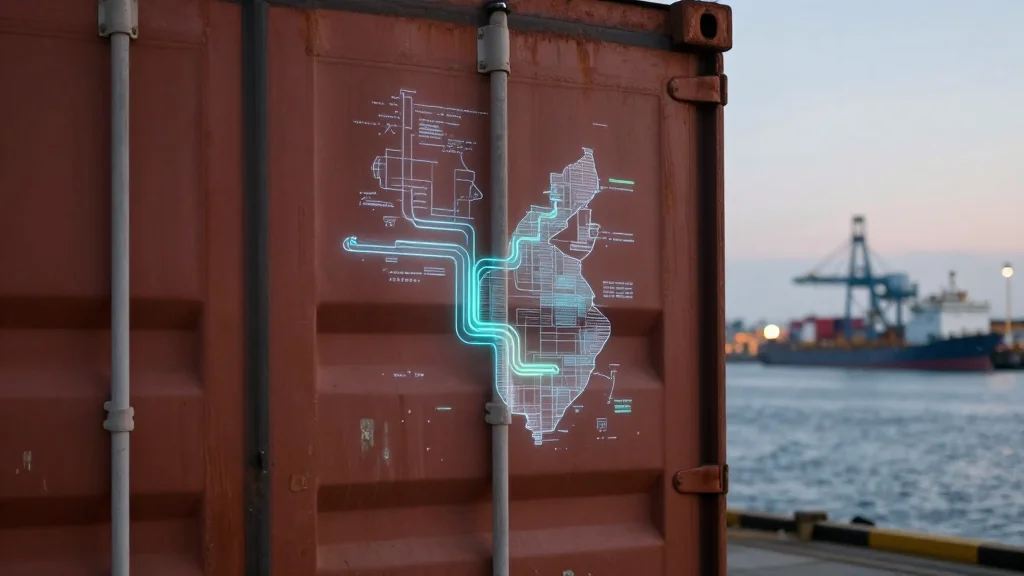
Iran-Linked Handala Claims Cyber‑physical Strike on UAE’s Fujairah Port, Stealing 430,000 Documents

Why It Matters
The alleged cyber‑physical strike underscores a worrying evolution in state‑backed cyber operations, where digital intrusion is used to enable kinetic attacks on critical infrastructure. For the Gulf region, ports like Fujairah are lifelines for global oil supply chains; any disruption can ripple through energy markets and affect global trade. Moreover, the incident highlights the challenges of attribution and verification in hybrid warfare, complicating diplomatic responses and risk assessments for both regional actors and multinational corporations operating in the Middle East. If Iran can reliably pair cyber espionage with drone strikes, it may lower the threshold for future attacks on other strategic assets, from pipelines to power grids. This could trigger a regional arms race in cyber‑defensive capabilities, prompting governments to allocate more resources to securing industrial control systems and to develop rapid response frameworks for hybrid incidents.
Key Takeaways
- •Handala claims theft of >430,000 confidential documents from Fujairah Port operator
- •Iranian state news agency says the cyberattack was coordinated with the Iranian military
- •UAE cybersecurity council reports daily cyber‑attack attempts have risen to 700,000
- •Analysts doubt the extent of coordination but note Iran’s growing hybrid‑war capabilities
- •Potential for increased hybrid attacks on Gulf critical infrastructure as deterrence tool
Pulse Analysis
The Fujairah episode may be less about the actual data loss and more about the narrative Iran is crafting. By publicizing a joint cyber‑physical operation, Tehran signals to regional adversaries that it can blend the low‑cost, high‑impact nature of cyber espionage with the tangible threat of drone strikes. This hybrid approach complicates traditional defense postures, which often treat cyber and kinetic threats as separate domains. For the UAE, the immediate priority will be hardening port networks, segmenting operational technology from corporate IT, and enhancing real‑time threat intelligence sharing with allies.
Historically, Iran’s cyber campaigns have focused on espionage and disruption, but the shift toward pre‑positioning for physical strikes marks a strategic escalation. The claim of stealing detailed oil‑line maps suggests an intent to acquire precise targeting data that can be weaponized quickly. Even if the document theft is exaggerated, the perception of capability can be enough to deter further UAE involvement in coalition operations. This psychological lever is a classic component of asymmetric warfare, where the threat of a high‑impact strike can achieve strategic objectives without actual damage.
Going forward, the international community should treat the Fujairah claim as a warning sign rather than a confirmed breach. Multinational firms with assets in the Gulf must reassess their cyber‑risk models to incorporate the possibility of coordinated attacks that blend digital intrusion with kinetic action. Governments, meanwhile, need to develop joint response protocols that can address both the cyber and physical dimensions of such threats, ensuring that attribution, mitigation, and diplomatic channels are aligned to prevent escalation.
Iran-linked Handala claims cyber‑physical strike on UAE’s Fujairah Port, stealing 430,000 documents
Comments
Want to join the conversation?
Loading comments...