Iranian-Affiliated Cyber Actors Exploit Programmable Logic Controllers Across US Critical Infrastructure
Companies Mentioned
Why It Matters
Compromised PLCs can halt essential services, amplifying national security and economic risks; the advisory highlights a growing nation‑state focus on vulnerable OT assets.
Key Takeaways
- •Iranian APTs targeting internet-facing PLCs in U.S. critical infrastructure
- •Exploits manipulate HMI/SCADA displays causing operational disruptions
- •Rockwell Automation devices most commonly affected
- •Recommended mitigation: isolate PLCs behind secure gateways
- •Monitor ports 44818, 2222, 102, 502 for foreign traffic
Pulse Analysis
The surge in attacks on operational technology underscores a strategic shift by nation‑state actors toward the heart of industrial processes. PLCs, once considered isolated, are now routinely connected to corporate networks and, in some cases, the public internet, exposing them to the same threat vectors that plague traditional IT systems. This convergence amplifies the attack surface, allowing adversaries to infiltrate critical infrastructure—energy, water, manufacturing—through seemingly innocuous entry points such as unsecured remote access or misconfigured firewalls.
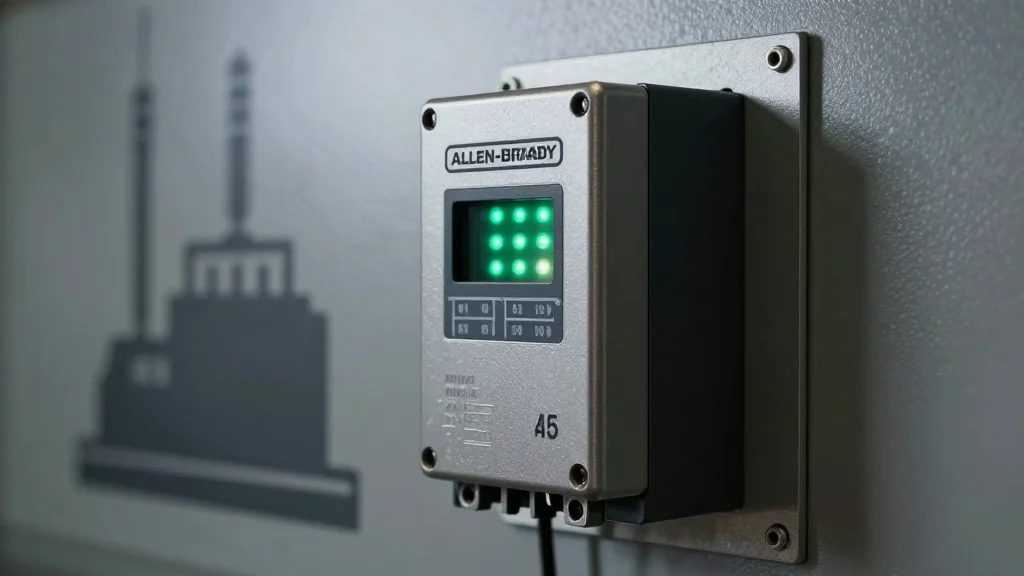
Iran‑linked APT groups have refined their tactics to exploit specific vulnerabilities in Rockwell Automation’s Allen‑Bradley platform. By injecting malicious code into project files and tampering with HMI/SCADA data streams, they can induce false readings, halt production lines, or trigger unsafe equipment states. Historical incidents, like the 2021 ransomware strike on a U.S. water utility, demonstrate how such manipulations can translate into real‑world service outages and costly remediation. The CISA advisory’s emphasis on ports 44818, 2222, 102, and 502 reflects the common communication channels these devices use, making traffic monitoring a critical detection layer.
Mitigation now hinges on a layered defense strategy. Organizations should immediately remove direct internet exposure for PLCs, deploying secure gateways and strict firewall rules. Continuous log analysis for the listed IOCs, coupled with network segmentation and strict access controls, can thwart lateral movement. Collaboration with vendors like Rockwell Automation ensures timely firmware updates and guidance. As supply‑chain pressures mount, proactive OT hygiene will be essential to safeguard the nation’s critical infrastructure against increasingly sophisticated cyber‑espionage campaigns.
Iranian-Affiliated Cyber Actors Exploit Programmable Logic Controllers Across US Critical Infrastructure
Comments
Want to join the conversation?
Loading comments...