Iranian Cyber Espionage Disguised as a Chaos Ransomware Attack
Key Takeaways
- •MuddyWater used ransomware façade to hide espionage activities
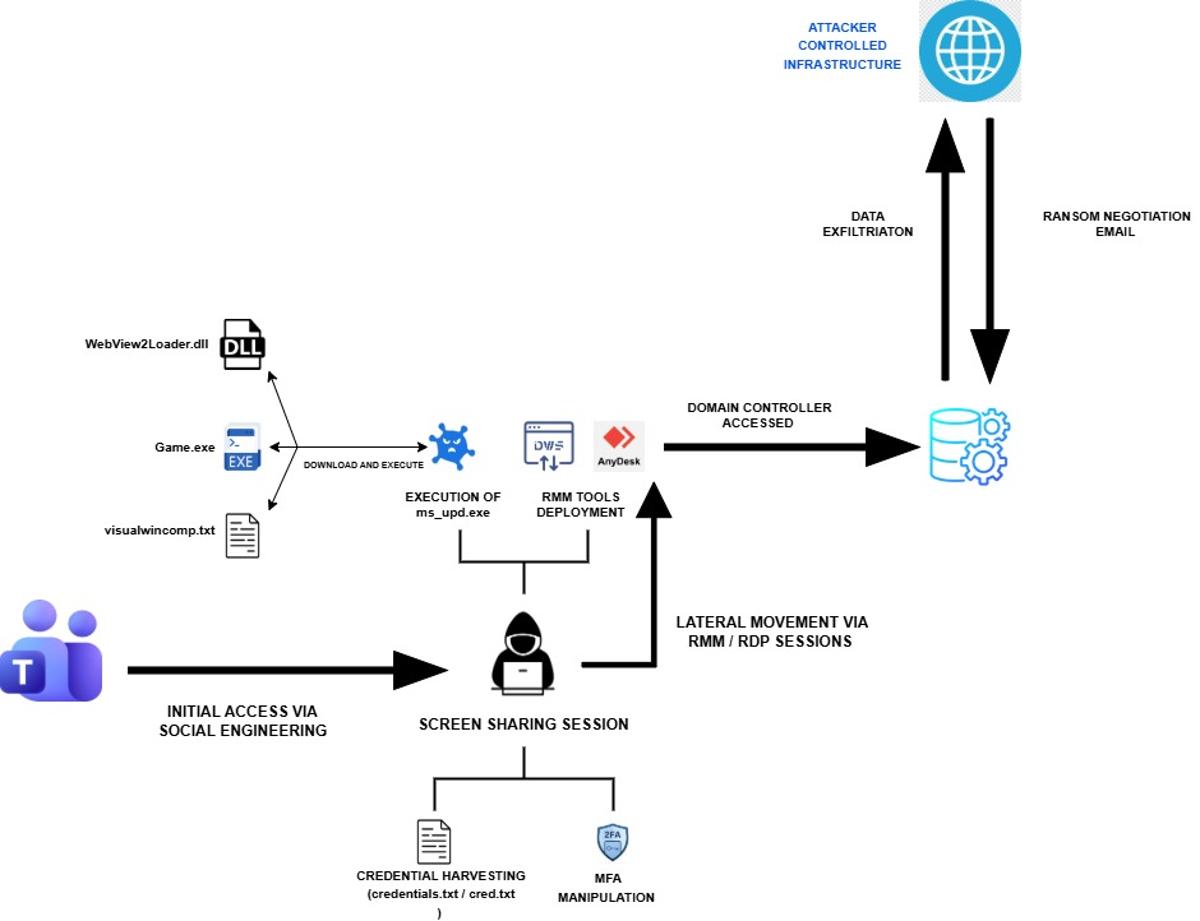
- •Attack leveraged Microsoft Teams phishing and remote tools like AnyDesk
- •No actual file encryption; extortion emails were a deception
- •Persistence achieved via DWAgent and custom backdoors such as Dindoor
- •Highlights rising trend of state actors borrowing criminal tactics
Pulse Analysis
The recent MuddyWater campaign illustrates how state‑sponsored actors are borrowing the language and visual cues of ransomware to mask espionage missions. By presenting a fake ransom note and directing victims to the Chaos leak site, the group created a false narrative that steered incident responders toward a financial‑crime mindset. This deception delayed the discovery of deeper footholds, allowing MuddyWater to maintain persistence through remote access utilities and custom backdoors while siphoning sensitive data.
Technical analysis shows the intrusion began with a targeted Microsoft Teams phishing lure, where attackers impersonated internal IT staff to initiate screen‑sharing sessions. Once visual access was gained, they harvested VPN credentials, deployed AnyDesk and DWAgent for ongoing control, and introduced the Dindoor backdoor signed with a legitimate‑looking certificate. Exfiltration leveraged tools like Rclone to cloud storage, underscoring a sophisticated blend of legitimate and malicious utilities designed to evade traditional detection signatures.
The broader implication is a growing convergence between cyber‑crime and cyber‑espionage. Nations such as Iran are repurposing ransomware‑as‑a‑service frameworks to create plausible deniability and distract defenders, complicating attribution and response strategies. Organizations must therefore augment ransomware detection with threat‑intel‑driven hunting for espionage indicators, scrutinize remote‑access tool usage, and enforce strict verification of unsolicited IT communications. As adversaries continue to blur these lines, a hybrid defense posture becomes essential for protecting critical sectors from covert state‑backed infiltration.
Iranian cyber espionage disguised as a Chaos Ransomware attack
Comments
Want to join the conversation?