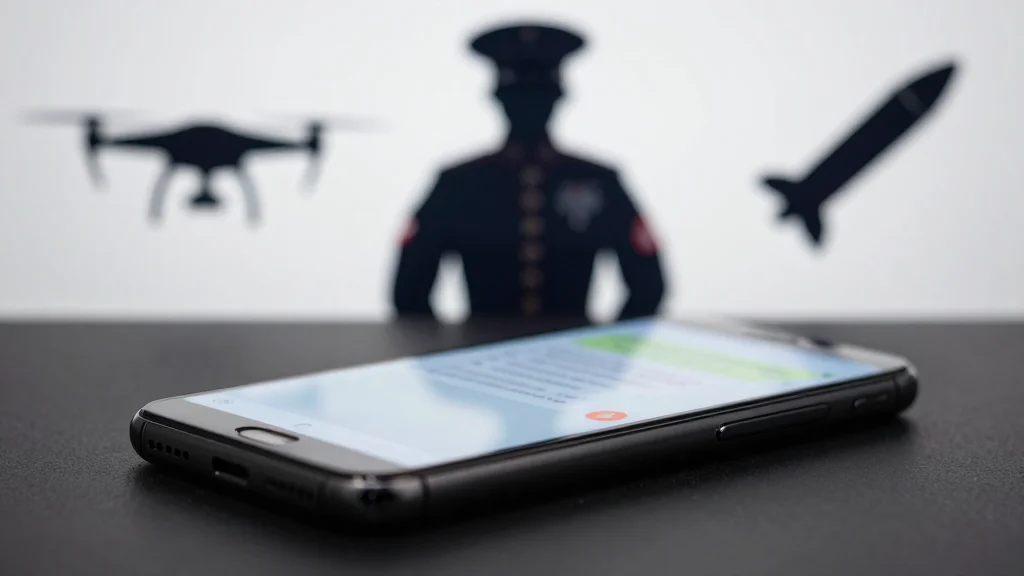
Iran‑Linked Handala Threatens US Marines in Bahrain via WhatsApp

Companies Mentioned
Why It Matters
The Handala campaign illustrates how nation‑state cyber actors are blurring the line between digital intrusion and kinetic intimidation. By weaponizing personal messaging apps, the group can bypass traditional network defenses and directly threaten the safety of individual service members, raising the stakes for military OPSEC. The public doxxing of thousands of Marines also creates a data set that could be leveraged for future targeting, espionage, or blackmail, underscoring the need for robust personal‑device security protocols. Beyond the immediate threat to U.S. forces, the episode signals to regional allies that Iranian‑aligned groups are willing to expand their influence operations into the personal sphere of military personnel. This could accelerate the adoption of unified threat‑intelligence frameworks across coalition forces, prompting investments in secure communication platforms and heightened awareness training to mitigate social‑engineering attacks.
Key Takeaways
- •Handala sent WhatsApp threats to U.S. troops in Bahrain, citing Shahed drones and Kheibar missiles.
- •The group published personal data on 2,379 U.S. Marine Corps members deployed in the Persian Gulf.
- •U.S. offered a $10 million reward for information leading to Handala arrests.
- •Handala is linked to Iran's Ministry of Intelligence and Security (MOIS) and has previously hit Stryker and FBI Director Kash Patel's Gmail.
- •The campaign marks a shift toward direct psychological intimidation of individual service members via consumer messaging apps.
Pulse Analysis
Handala’s pivot to personal messaging platforms reflects a broader evolution in state‑sponsored cyber operations: the weaponization of everyday tools to achieve strategic psychological effects. Historically, Iranian cyber groups focused on disruptive ransomware or data theft aimed at corporations and government agencies. By targeting individual service members, Handala not only gathers high‑value personal data but also seeks to sow fear and uncertainty among troops, a tactic reminiscent of Cold War propaganda but amplified by modern digital reach.
The public doxxing of nearly 2,400 Marines is a calculated move to create a narrative of omnipresent surveillance, potentially eroding morale and trust in the protective capabilities of the U.S. military. This aligns with Iran’s broader geopolitical objectives in the Gulf, where direct kinetic confrontation carries high political costs. Cyber‑enabled influence campaigns allow Tehran to apply pressure without crossing the threshold of open warfare. The $10 million bounty indicates that the U.S. perceives the threat as more than a nuisance; it is a strategic priority that warrants significant resources.
Looking ahead, the incident will likely accelerate the integration of cyber‑threat intelligence into traditional military planning. Commanders may demand encrypted, government‑approved communication channels for deployed personnel, while allied nations will push for joint standards to counter similar influence operations. If Handala’s tactics prove effective, we could see a wave of similar campaigns from other state‑aligned groups, turning personal messaging apps into new frontlines of cyber‑espionage and psychological warfare.
Iran‑Linked Handala Threatens US Marines in Bahrain via WhatsApp
Comments
Want to join the conversation?
Loading comments...