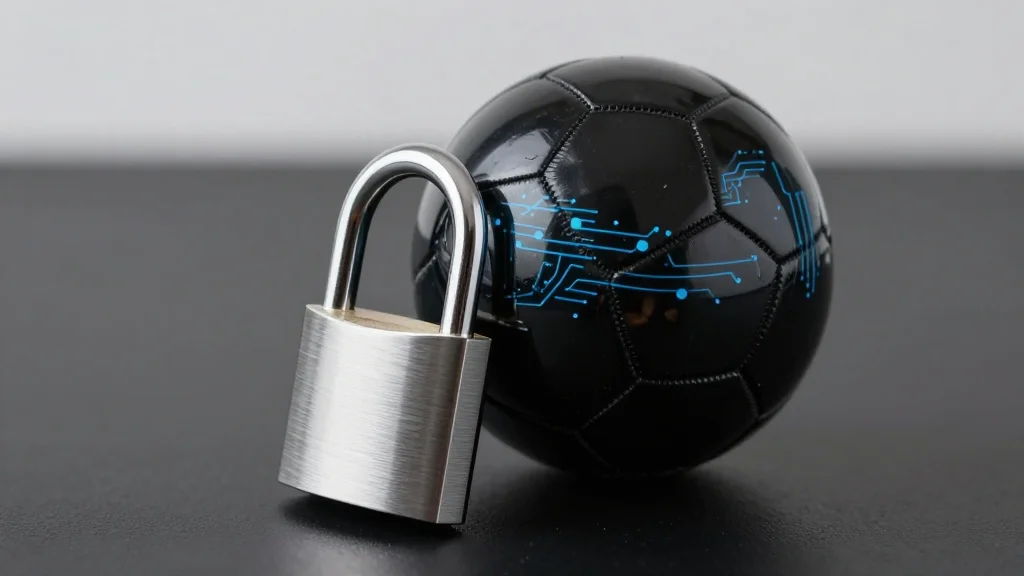
Kaspersky Spots Rising Scam Activity Around the 2026 World Cup
Companies Mentioned
Why It Matters
The surge in event‑driven scams threatens millions of fans’ finances and amplifies the overall cyber‑risk landscape during a high‑visibility global event. Effective mitigation protects both consumers and the broader digital ecosystem from credential theft and malware outbreaks.
Key Takeaways
- •$500,000 fake grant emails target World Cup fans
- •Scam merchandise ads flood inboxes with malicious links
- •Kaspersky urges verifying URLs and using official streaming sites
- •Enable 2FA and security software to block phishing attacks
Pulse Analysis
The 2026 FIFA World Cup, set to draw billions of viewers, has become a magnet for cyber‑criminals, according to a new Kaspersky report. The security firm identified a surge in phishing emails, fraudulent grant offers and counterfeit merchandise ads that masquerade as official tournament communications. Such scams exploit the global excitement and the high‑value travel expenses fans anticipate, turning the event into a lucrative attack vector. Kaspersky’s analysis shows that the volume of malicious messages spikes weeks before the opening match, mirroring patterns seen during previous major sporting events.
The most audacious scheme involves emails promising a $500,000 grant to cover tickets, flights and accommodation, then directing recipients to contact a supposed organizer. Victims who reply often receive malicious attachments or are redirected to phishing sites that harvest personal data and financial credentials. In parallel, spam campaigns promote fake World Cup‑themed merchandise, embedding malicious links that can install ransomware or adware on unsuspecting devices. Kaspersky’s telemetry indicates that these campaigns achieve higher click‑through rates than generic phishing, thanks to the emotional pull of the tournament.
Kaspersky advises a layered defense: verify website URLs, stick to official streaming platforms, and deploy reputable security software that scans attachments and blocks phishing links. Enabling multi‑factor authentication on identity and banking apps adds a critical barrier against credential theft. For enterprises, educating employees about event‑related scams can reduce the risk of a breach during the high‑traffic period. As the World Cup approaches, heightened vigilance will not only protect individual fans but also safeguard the broader digital ecosystem from a predictable surge in cyber‑crime.
Kaspersky Spots Rising Scam Activity around the 2026 World Cup
Comments
Want to join the conversation?
Loading comments...