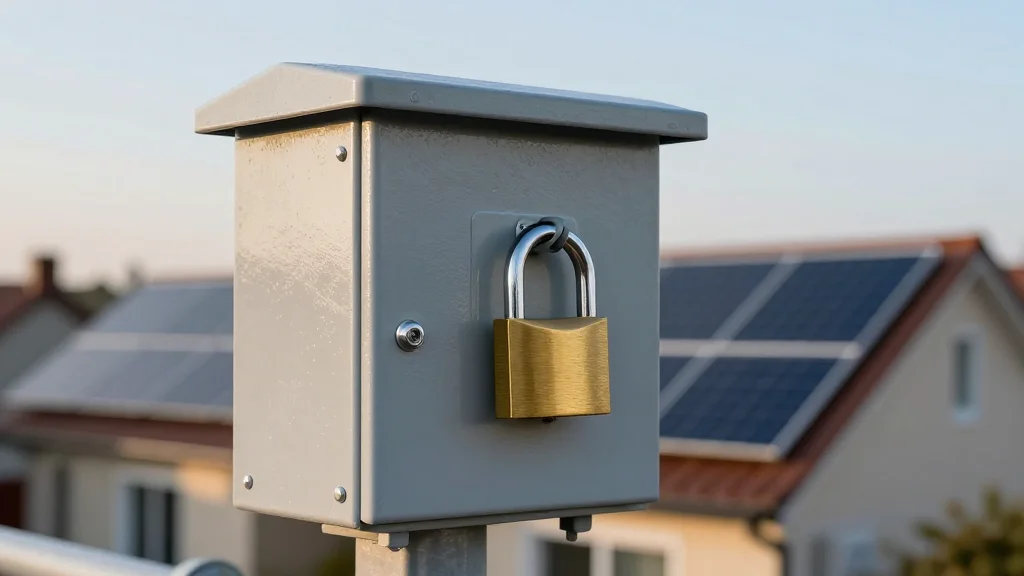
Managing Cyber Risks in the Era of Decentralized Energy
Companies Mentioned
Why It Matters
Securing DERs is critical to maintaining grid reliability and preventing cyber‑induced outages as the nation moves toward a 45% renewable electricity mix by 2030. Without robust standards, the expanding digital footprint could jeopardize both energy supply and national security.
Key Takeaways
- •DER adoption projected to reach 45% of U.S. electricity by 2030
- •Cyberattacks on utilities rose 75% between 2023 and 2024
- •Inverter‑based resources regulate voltage and can cause overvoltage if compromised
- •Existing NERC CIP standards lack encryption for internet‑exposed DER devices
- •UL 2941 offers security‑by‑design framework for DER and inverter devices
Pulse Analysis
The acceleration of distributed energy resources is reshaping America’s power landscape. Rooftop solar, residential batteries and vehicle‑to‑grid technologies now feed electricity back into the grid in real time, cutting transmission losses and supporting decarbonization goals. However, each connected device becomes a potential entry point for malicious actors, a risk highlighted by a 75% surge in utility cyber‑attacks over the past year and the infamous 2015 Ukrainian grid disruption. As the Energy Information Administration projects renewable generation to supply roughly 45% of U.S. electricity by 2030, the grid’s digital architecture must evolve faster than the devices it supports.
Traditional cybersecurity frameworks, such as NERC CIP, were crafted for isolated, large‑scale generation plants and do not address the unique challenges of millions of internet‑enabled inverters and controllers. These devices often lack basic safeguards like strong authentication, encrypted communications, and automated patching, leaving them vulnerable to tampering that could trigger overvoltage, back‑feeding, or widespread instability. The industry’s response is coalescing around security‑by‑design principles, with standards like UL 2941 providing a clear, measurable set of requirements for DER and inverter‑based resources. By mandating built‑in protections from hardware through firmware, UL 2941 helps utilities and developers certify that devices can safely operate within an increasingly interconnected grid.
Adopting uniform security standards is more than a compliance exercise; it is a prerequisite for reliable, scalable clean energy deployment. Coordinated action among manufacturers, utilities, code authorities and standards bodies will reduce the attack surface, streamline procurement, and build confidence in the resilience of the modern grid. As policymakers push ambitious renewable targets, embedding robust cybersecurity into the fabric of distributed energy will ensure that the transition to a low‑carbon future does not compromise the continuity of power that modern economies depend on.
Managing cyber risks in the era of decentralized energy
Comments
Want to join the conversation?
Loading comments...