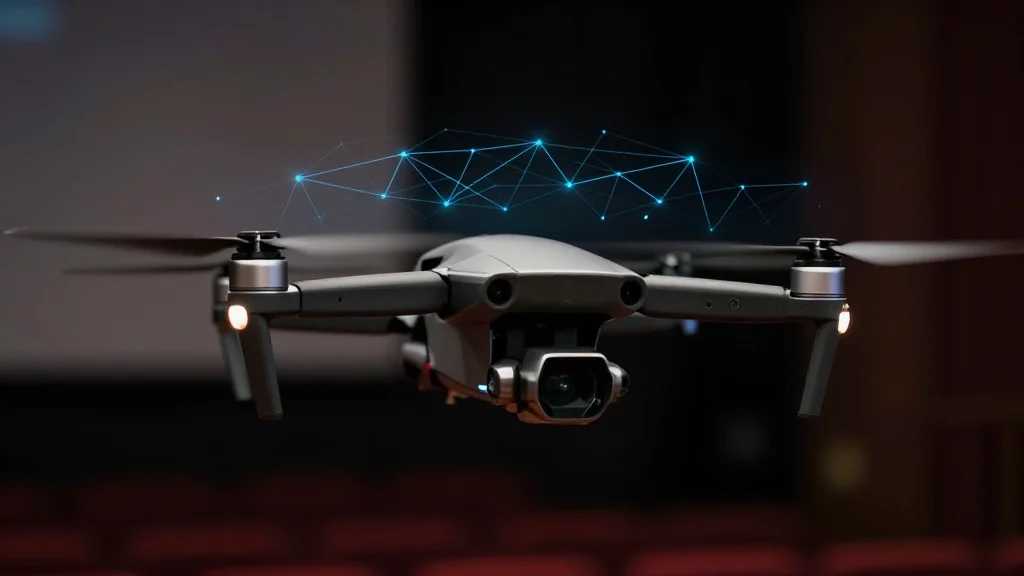
Mikko Hyppönen Demonstrates Live Drone Hacking at Black Hat 2025, Flagging New Threat Vector

Why It Matters
Hyppönen’s on‑stage drone takeover spotlights a critical blind spot in modern cybersecurity: the convergence of physical and digital attack surfaces. As UAVs become ubiquitous in logistics, agriculture, and public safety, a single compromised drone can cause physical damage, data exfiltration, or serve as a relay for broader network intrusions. The demonstration forces policymakers, manufacturers, and security teams to confront a threat that blurs traditional perimeter defenses. If the industry fails to embed robust authentication, encryption, and patch‑management into drone firmware, the same trajectory that turned floppy‑disk viruses into ransomware could repeat in the sky. Conversely, rapid adoption of secure‑by‑design principles could set a new baseline for IoT devices, reducing the attack surface for both state and criminal actors.
Key Takeaways
- •Mikko Hyppönen hijacked a drone live at Black Hat 2025 in Las Vegas
- •Veteran has 35+ years fighting malware, now focusing on UAV threats
- •Russia‑Ukraine war highlighted lethal potential of commercial drones
- •Industry sees 42 % rise in UAV‑security funding in 2025
- •U.S. DHS pledges $150 million for national drone‑risk assessment
Pulse Analysis
Hyppönen’s demonstration is more than a theatrical stunt; it is a catalyst that forces the cybersecurity ecosystem to reckon with a new attack vector that sits at the intersection of hardware, software, and airspace regulation. Historically, the industry has responded to paradigm shifts—such as the rise of ransomware—by rapidly developing detection signatures, threat‑intel sharing platforms, and incident‑response playbooks. The drone arena, however, lacks a unified threat‑intel framework, partly because UAVs operate across fragmented radio spectra and are manufactured by a sprawling, often low‑margin market.
The immediate market reaction—accelerated funding for UAV‑security startups and announced firmware‑hardening roadmaps—mirrors the early days of mobile‑device security, when Apple and Google introduced secure enclaves after high‑profile exploits. What differentiates drones is the physical risk component: a compromised UAV can cause property damage, disrupt critical infrastructure, or be weaponized. This raises the stakes for regulators, who must balance innovation with safety. The upcoming ITU spectrum‑allocation review and DHS funding signal that governments are moving from reactive to proactive stances, potentially mandating security standards that could become de‑facto industry requirements.
Looking ahead, the next wave of drone security will likely involve three converging trends: (1) mandatory end‑to‑end encryption for command‑and‑control links, (2) mandatory vulnerability disclosure programs for UAV manufacturers, and (3) integration of UAV telemetry into existing SIEM and SOC platforms. Companies that embed these capabilities early will gain a competitive edge, while laggards risk being excluded from government contracts and enterprise procurement pipelines. Hyppönen’s live hack has effectively drawn a line in the sand, urging the entire cybersecurity community to treat the sky as the next frontier of defense.
Mikko Hyppönen Demonstrates Live Drone Hacking at Black Hat 2025, Flagging New Threat Vector
Comments
Want to join the conversation?
Loading comments...