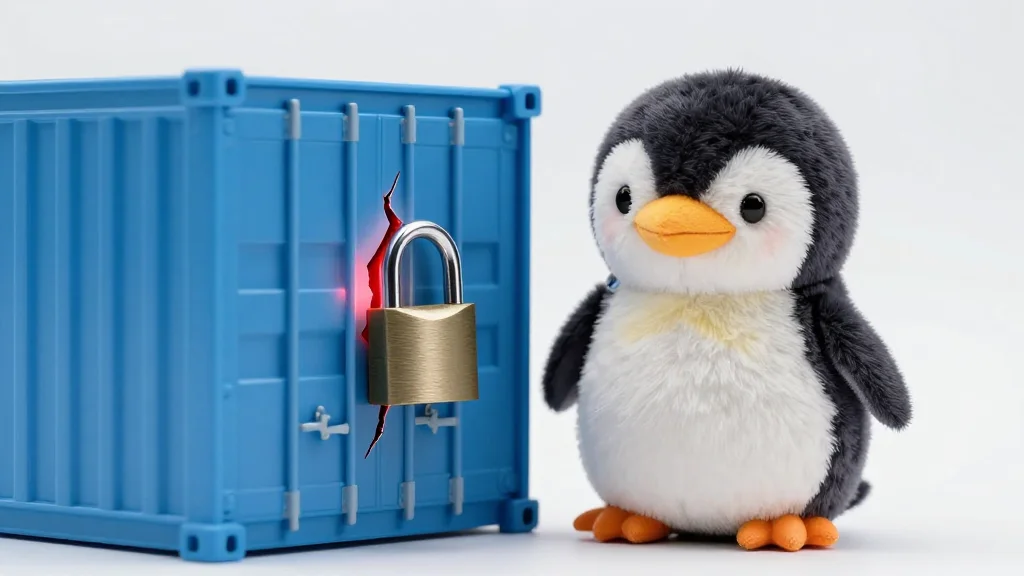
Mitigating CVE-2026-31431 (“Copy Fail”) In Docker Engine
Why It Matters
Copy Fail lets a compromised container tamper with the host's page cache, risking root escalation across all workloads; Docker's rapid mitigation narrows the attack window until kernel patches are widely available.
Key Takeaways
- •Docker v29.4.3 blocks AF_ALG via AppArmor and SELinux defaults
- •Seccomp alone cannot filter AF_ALG when socketcall is used
- •v29.4.2’s socketcall block broke 32‑bit networking in containers
- •Kernel patch remains the definitive fix for CVE‑2026‑31431
- •Users can blacklist af_alg modules if engine or kernel upgrade delayed
Pulse Analysis
The disclosure of CVE‑2026‑31431 highlighted a rare convergence of kernel weakness and container exposure. The flaw resides in the Linux crypto subsystem (algif_aead) and enables any process with an AF_ALG socket to write arbitrary data to the page cache, effectively letting an attacker rewrite files that every process reads. Because containers share the host’s page cache, a breach inside one container can cascade to the host and other workloads, making the vulnerability especially dangerous for multi‑tenant environments and cloud providers.
Docker’s response evolved through two distinct mitigation strategies. The initial attempt in Engine v29.4.2 added a seccomp rule that denied the AF_ALG address family, but it also blocked the legacy socketcall syscall, which multiplexes many socket operations. This over‑broad block crippled 32‑bit applications and even affected 64‑bit binaries that could invoke socketcall directly, leading to widespread networking failures. Learning from that, Docker v29.4.3 reverted the socketcall deny and shifted enforcement to Linux Security Modules: AppArmor profiles now contain a "deny network alg" rule, and a SELinux CIL module blocks alg_socket creation for container domains. The seccomp filter remains as a second line of defense for the direct socket(2) path.
For operators, the practical path forward is threefold: first, apply the vendor kernel patch as soon as it is available—Debian and RHEL have released updates, while Ubuntu users should monitor upcoming releases. Second, upgrade Docker Engine to v29.4.3 or later, which requires only a daemon restart and no host reboot. If immediate upgrades are impossible, administrators can blacklist the af_alg and algif_aead modules or deploy a custom seccomp profile that denies AF_ALG. Maintaining an up‑to‑date container runtime is now recognized as a critical layer of defense, shrinking the window between a kernel CVE’s public disclosure and full protection for production workloads.
Mitigating CVE-2026-31431 (“Copy Fail”) in Docker Engine
Comments
Want to join the conversation?
Loading comments...