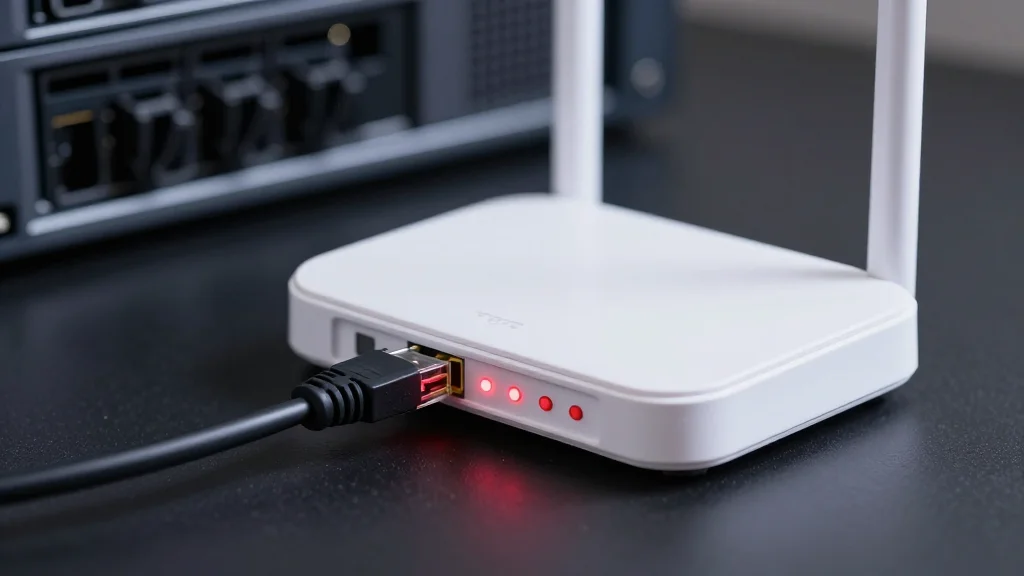
NCSC Warns of Russian Cyber Hijack Threat
Companies Mentioned
Why It Matters
Compromised routers provide a low‑cost, high‑impact foothold for espionage, threatening both private enterprises and critical infrastructure. Prompt mitigation can prevent large‑scale credential theft and downstream supply‑chain attacks.
Key Takeaways
- •APT28 hijacks TP‑Link and MikroTik routers via DNS manipulation.
- •Compromised routers redirect traffic, enabling man‑in‑the‑middle credential theft.
- •NCSC advisory lists dozens of malicious IPs and urges firmware updates.
- •Multi‑factor authentication and DNS monitoring recommended to reduce exposure.
Pulse Analysis
Router hijacking has resurfaced as a preferred vector for sophisticated threat actors because consumer‑grade devices often lack rigorous security controls. APT28, linked to Russian military intelligence, leverages known firmware flaws in widely deployed TP‑Link and MikroTik models to gain administrative access and reprogram DNS settings. Once in place, the malicious DNS servers act as traffic brokers, silently siphoning credentials from email, web services and cloud platforms. This approach mirrors earlier nation‑state campaigns that favored persistence over brute‑force attacks, underscoring the enduring value of network‑level compromise.
The NCSC advisory highlights the breadth of the campaign, enumerating dozens of IP addresses tied to the malicious infrastructure and detailing the specific vulnerability exploited in the TP‑Link WR841N model. Organizations that expose routers to the internet without proper hardening become inadvertent conduits for espionage. The resulting man‑in‑the‑middle sessions enable attackers to harvest authentication tokens, which can be leveraged for lateral movement across corporate networks or sold on underground markets. For sectors handling sensitive data—finance, healthcare, government—the fallout could include credential stuffing, ransomware deployment, or unauthorized data exfiltration.
Mitigation requires a multi‑layered strategy. Immediate steps include updating router firmware, disabling remote management interfaces, and enforcing strong, unique passwords. Deploying multi‑factor authentication across email and cloud services adds a critical barrier against stolen credentials. Continuous monitoring of DNS query patterns can flag anomalous redirections, while network segmentation limits the blast radius of a compromised device. Vendors also bear responsibility to issue timely patches and provide clear guidance. As threat actors continue to weaponize everyday hardware, robust cyber hygiene and proactive defense become essential safeguards for the digital economy.
NCSC warns of Russian cyber hijack threat
Comments
Want to join the conversation?
Loading comments...