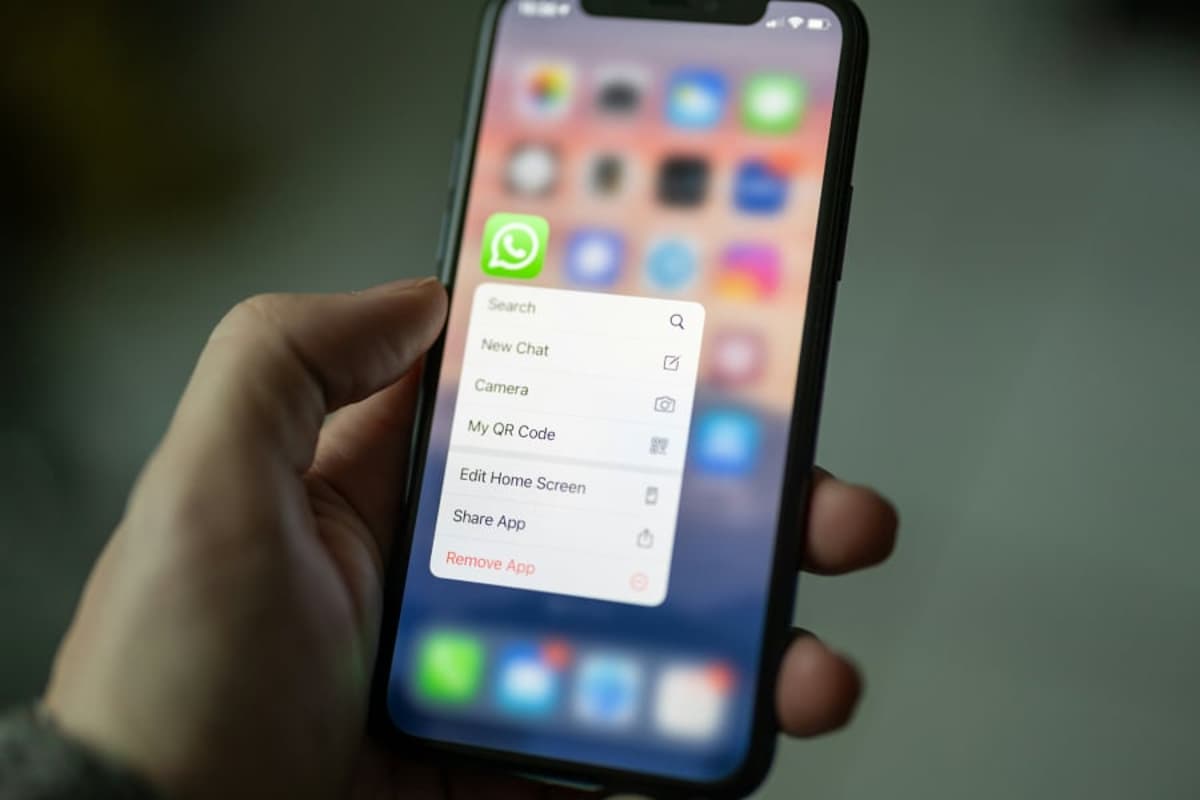
New WhatsApp Flaws Could Affect Billions of Users After Meta Security Patch
Companies Mentioned

Why It Matters
The incidents reveal that even widely trusted platforms can become conduits for credential theft and malware, forcing enterprises to prioritize rapid patching and stricter validation of inbound communications.
Key Takeaways
- •Meta patched two WhatsApp media‑handling bugs (CVE‑2026‑23866, CVE‑2026‑23863).
- •Flaws could enable phishing links or disguised executables on mobile and Windows.
- •No evidence of real‑world exploitation, but attackers may combine with other tactics.
- •AppSheet abuse forged trusted emails, compromising 30,000 Facebook business accounts.
- •Campaign leveraged Google’s infrastructure, bypassing standard phishing filters.
Pulse Analysis
The discovery of two WhatsApp vulnerabilities highlights a broader trend: messaging apps are increasingly becoming primary vectors for sophisticated social‑engineering attacks. CVE‑2026‑23866 allowed crafted AI‑generated previews to trigger OS‑level handlers, while CVE‑2026‑23863 let attackers mask executable files as benign documents. Although Meta reports no confirmed exploitation, the mere possibility of malicious media slipping through a platform used by billions raises alarm for both consumers and corporate IT teams, especially as remote work blurs personal and professional device boundaries.
Meanwhile, the AppSheet abuse case demonstrates how threat actors are shifting toward “trusted‑tool” phishing. By leveraging Google’s no‑code app builder, attackers generated emails that carried legitimate authentication signatures, effectively sidestepping conventional spam filters. The operation, dubbed AccountDumpling, harvested 30,000 Facebook business accounts, providing a lucrative pipeline for ad fraud and credential resale. This method underscores a critical weakness: security solutions often trust the source domain, overlooking that legitimate services can be co‑opted for malicious purposes.
For enterprises, the combined lessons are clear. Rapid patch management for all communication apps must be paired with robust email verification practices, such as DMARC enforcement and user education on unexpected attachments or links. Security teams should treat platforms like WhatsApp and AppSheet as part of the attack surface, integrating them into threat‑intel monitoring and zero‑trust frameworks. As attackers continue to weaponize trusted ecosystems, proactive defenses—automated updates, multi‑factor authentication, and continuous user awareness—will be essential to mitigate risk.
New WhatsApp Flaws Could Affect Billions of Users After Meta Security Patch
Comments
Want to join the conversation?
Loading comments...