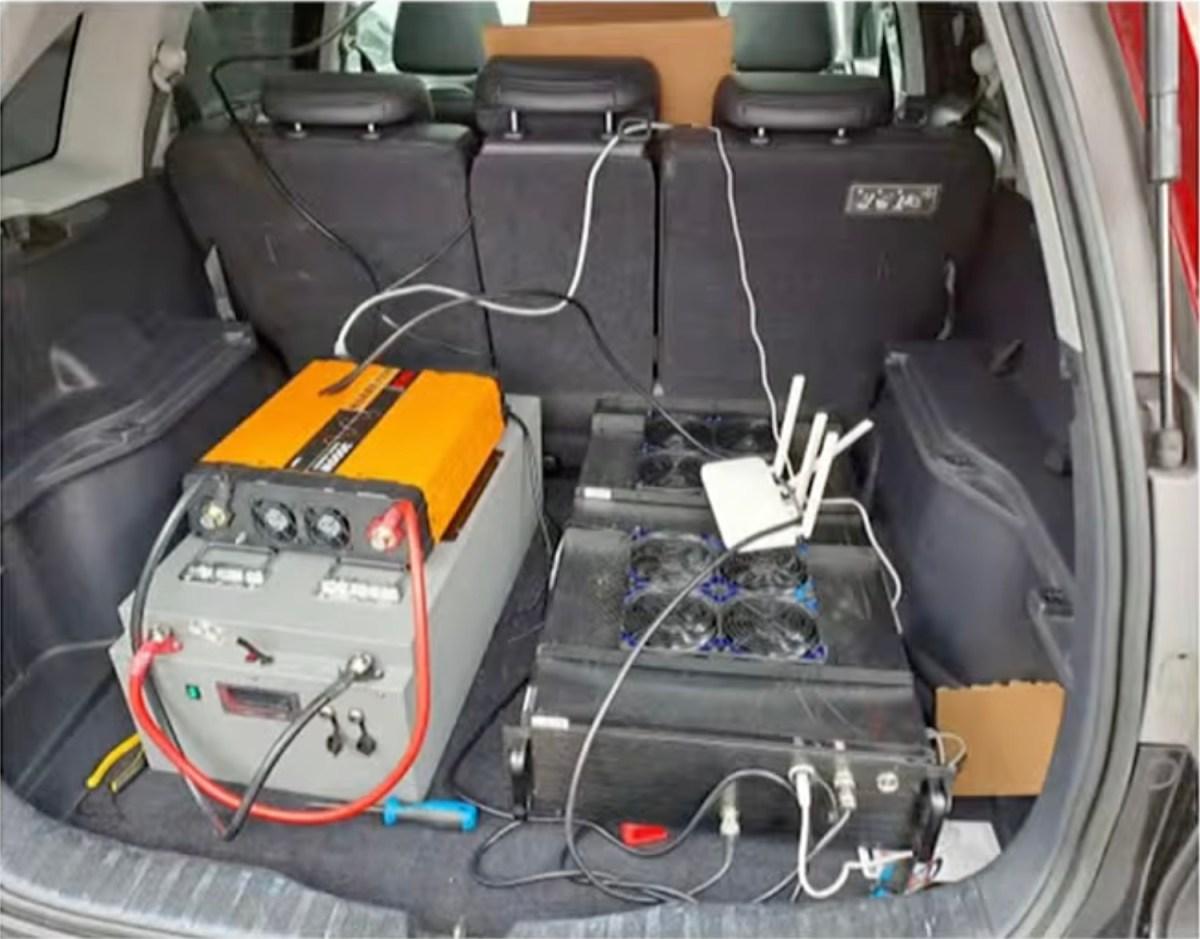
Police Arrest SMS Blaster Crew that Sent Malicious Messages to Thousands Across Toronto
Companies Mentioned
Why It Matters
The arrests set a legal precedent for prosecuting large‑scale mobile spam operations and underscore the urgency for telecoms to retire vulnerable 2G infrastructure. Protecting consumers and emergency services from such attacks is now a regulatory priority.
Key Takeaways
- •Three men face 44 charges for operating Toronto SMS blaster
- •Scheme targeted tens of thousands of devices via 2G spoofing
- •Blaster disrupted cellular service and risked 911 communications
- •Users can mitigate risk by disabling 2G or enabling Lockdown Mode
- •Incident mirrors 2024 Thailand truck‑based SMS blaster case
Pulse Analysis
SMS blasters exploit a weakness in outdated 2G networks by masquerading as legitimate cell towers, forcing nearby phones to connect and relay massive volumes of text messages. The Toronto device was uniquely mobile, mounted in a vehicle to shift locations and evade detection. By hijacking the 2G spectrum, the blaster could deliver phishing links at scale, aiming to harvest banking credentials and other personal data. Law enforcement’s discovery marks the first documented use of such equipment on Canadian soil, prompting a coordinated response from the Toronto Police Service.
The incident reverberates through the telecommunications industry, exposing the lingering risks of legacy network support. While 5G rollout accelerates, many carriers still maintain 2G cells for low‑cost IoT devices, creating a soft target for malicious actors. Disruption of ordinary service and the potential interference with 911 calls raise public safety concerns, prompting regulators to consider accelerated decommissioning schedules. Consumers can protect themselves by disabling 2G connectivity on smartphones or activating security features like Apple’s Lockdown Mode, which turns off the vulnerable radio.
Globally, similar operations have surfaced, most notably a 2024 Thai gang that used a truck‑mounted blaster to send nearly a million texts in three days. These cases illustrate a broader trend: criminals leveraging cheap, portable hardware to conduct large‑scale phishing campaigns. As mobile networks evolve, the industry must prioritize the retirement of insecure legacy protocols and invest in network‑level authentication to prevent tower spoofing. Continued public awareness and swift legal action, as demonstrated in Toronto, are essential to curbing the rise of SMS‑based fraud.
Police arrest SMS blaster crew that sent malicious messages to thousands across Toronto
Comments
Want to join the conversation?
Loading comments...