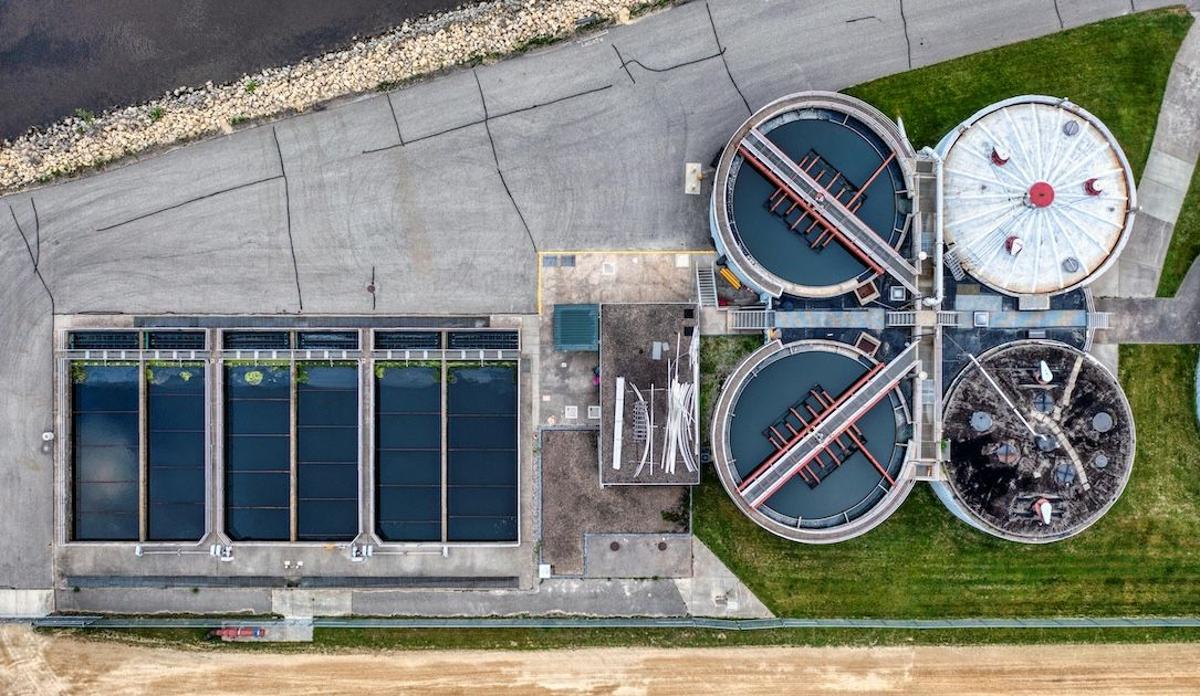
Polish Intelligence Warns Hackers Attacked Water Treatment Control Systems
Why It Matters
The incidents expose critical‑infrastructure vulnerabilities that could disrupt essential services and underscore Russia’s expanding cyber‑sabotage campaign against NATO members. They signal heightened risk for European utilities and the need for stronger defensive measures.
Key Takeaways
- •Five water treatment stations in Poland were infiltrated
- •Attackers accessed industrial control systems, could alter pump settings
- •ABW links attacks to heightened Russian cyber activity in 2024‑25
- •Poland recorded over 40,000 cyber incident reports in two years
Pulse Analysis
Poland’s recent disclosure of water‑treatment plant breaches highlights a growing trend of state‑sponsored cyber aggression targeting critical infrastructure in Europe. As a key logistics hub for Western aid to Ukraine, Poland sits at the intersection of geopolitical tension and cyber‑warfare, making its utilities attractive targets for Russian intelligence. The attacks on industrial control systems—often referred to as OT (operational technology) breaches—demonstrate a sophisticated capability to manipulate physical processes, raising concerns about potential service interruptions and public health impacts.
The ABW report details that attackers gained administrator access, allowing them to modify pump parameters and alarm thresholds at facilities in Jabłonna Lacka, Szczytno, Małdyty, Tolkmicko and Sierakowo. Although no immediate water outages were reported, the ability to alter technical settings represents a direct threat to supply continuity. Such OT intrusions are increasingly common as adversaries recognize that disrupting essential services can yield strategic leverage without a conventional kinetic strike. For utilities, this underscores the urgency of segmenting networks, implementing robust authentication, and conducting continuous monitoring of control‑system traffic.
Beyond the water sector, the report signals a broader escalation: over 40,000 cyber‑incident reports, a ten‑fold increase in espionage investigations, and documented attacks on rail and air‑traffic systems. Poland’s response—arrests, consulate closures, and a pledge of “ruthless” action—reflects a shift toward a more proactive posture. However, the evolving use of encrypted messaging and cryptocurrency for recruiting cyber operatives suggests that adversaries are blending state objectives with organized‑crime tactics. European policymakers and industry leaders must therefore prioritize cross‑border information sharing, invest in resilient OT architectures, and develop rapid‑response frameworks to mitigate the growing risk of cyber‑enabled sabotage.
Polish intelligence warns hackers attacked water treatment control systems
Comments
Want to join the conversation?
Loading comments...