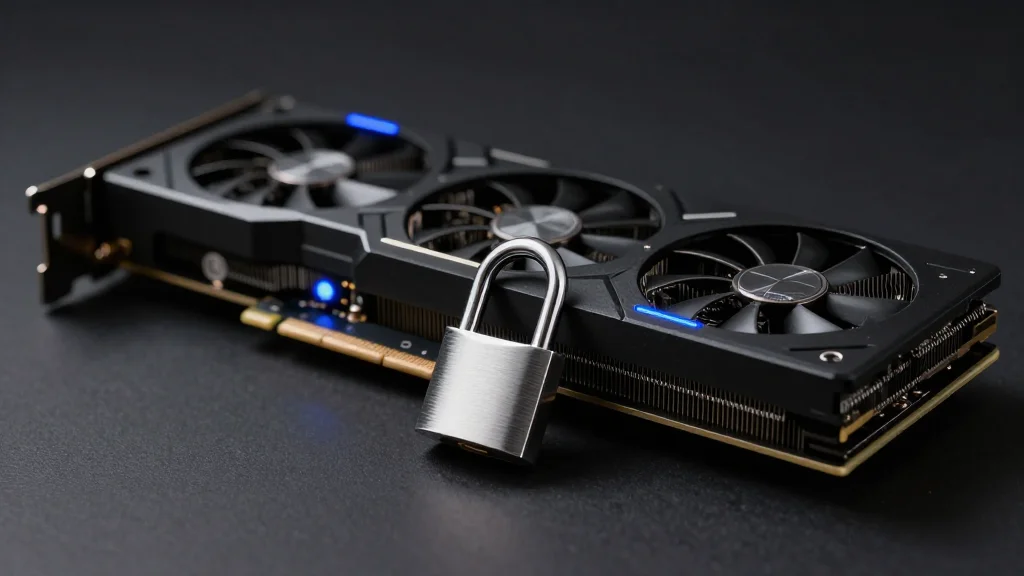
Red Hat OpenShift Sandboxed Containers 1.12 and Red Hat Build of Trustee 1.1 Bring Confidential Computing to Bare Metal and AI Workloads
Why It Matters
The GA availability of hardware‑encrypted containers lets regulated firms run their most sensitive workloads on‑premise with cloud‑grade security, while GPU support opens confidential AI pipelines to enterprise adoption.
Key Takeaways
- •Confidential containers on bare metal reach GA with OpenShift 1.12
- •Supports Intel TDX, AMD SEV‑SNP, IBM SEL hardware TEE
- •Adds Technology Preview for NVIDIA confidential GPU AI workloads
- •Trustee 1.1 enhances attestation, observability, and air‑gapped deployments
- •DBS Bank uses confidential containers for secure digital‑asset platform
Pulse Analysis
Confidential computing has shifted from niche research to a mainstream security layer, driven by rising data‑in‑use threats and stricter compliance regimes. Red Hat’s OpenShift sandboxed containers 1.12 marks a watershed moment by delivering production‑grade, hardware‑backed memory encryption on bare‑metal servers. By supporting Intel’s TDX, AMD’s SEV‑SNP, and IBM’s Secure Execution, the platform offers a unified, vendor‑agnostic approach that aligns with existing Red Hat OpenShift tooling, reducing operational friction for enterprises that need on‑premise control without sacrificing cloud‑level guarantees.
The GA status brings automated node detection, RuntimeClass provisioning, and sealed‑secret management, enabling regulated sectors—finance, healthcare, defense—to meet GDPR, HIPAA, and PCI‑DSS requirements for data‑in‑use protection. Red Hat’s SLA and integrated RBAC ensure that organizations can rely on the same support model they trust for traditional workloads, while the operator‑driven lifecycle simplifies upgrades and compliance reporting. Early adopters like DBS Bank have already demonstrated reduced operational risk and accelerated digital‑asset services, underscoring the tangible business value of confidential containers.
Looking ahead, the Technology Preview for NVIDIA confidential GPU accelerators extends the trust boundary to AI and machine‑learning pipelines. By encrypting GPU memory and providing attestation via NVIDIA’s Remote Attestation Service, data scientists can protect proprietary models and training data without code changes. This convergence of confidential CPU and GPU workloads positions Red Hat as a pivotal enabler for secure AI deployments, a capability that will likely become a prerequisite as enterprises scale AI across sensitive domains. The roadmap toward full GA for confidential GPUs signals a broader industry shift toward end‑to‑end hardware‑rooted security.
Red Hat OpenShift sandboxed containers 1.12 and Red Hat build of Trustee 1.1 bring confidential computing to bare metal and AI workloads
Comments
Want to join the conversation?
Loading comments...