Russian State‑Backed Fancy Bear Hijacks 18,000 Routers in 120 Countries to Steal Passwords

Companies Mentioned
Why It Matters
The Fancy Bear router hijack demonstrates how state‑sponsored actors can weaponize everyday networking equipment to conduct large‑scale credential harvesting, blurring the line between consumer security and geopolitical espionage. By compromising the internet’s edge, attackers gain persistent, stealthy access to traffic that can be leveraged for both intelligence gathering and financial fraud, threatening the confidentiality of personal, corporate and governmental data. The episode also exposes systemic weaknesses in the IoT supply chain: manufacturers often ship devices with outdated software and provide limited support for patching, leaving millions of users exposed. Policymakers and industry groups may need to revisit security standards, liability frameworks, and coordinated response mechanisms to mitigate the risk of similar campaigns in the future.
Key Takeaways
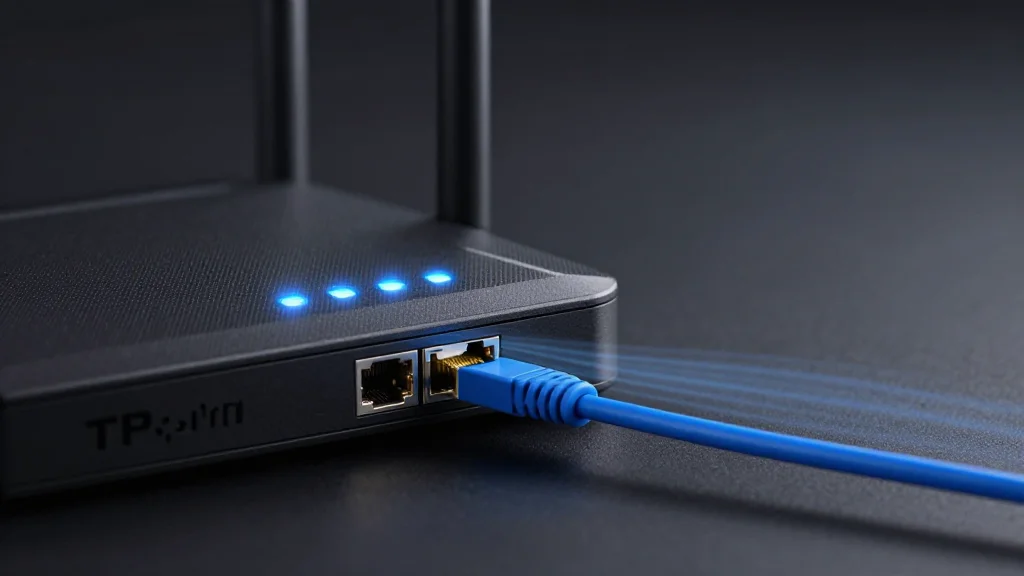
- •Fancy Bear compromised at least 18,000 MikroTik and TP‑Link routers in ~120 countries.
- •Attack redirected traffic to spoof sites, stealing passwords and access tokens.
- •Microsoft identified >200 organizations and 5,000 consumer devices affected.
- •U.K. NCSC described the operation as "likely opportunistic" with a wide net.
- •FBI, Lumen’s Black Lotus Labs and other partners are dismantling the botnet.
Pulse Analysis
The Fancy Bear router campaign marks a strategic evolution in state‑sponsored cyber‑espionage, moving from high‑profile, target‑specific intrusions to a mass‑collection model that leverages the sheer volume of insecure consumer devices. Historically, Russian intelligence groups have focused on spear‑phishing and supply‑chain attacks; this shift to infrastructure‑level compromise suggests a desire for persistent, low‑cost data streams that can be filtered for high‑value intelligence.
From a market perspective, the incident is likely to accelerate demand for managed security services that include automated firmware monitoring and remote patching for IoT assets. Vendors that can offer real‑time vulnerability scanning for routers—especially in the SMB segment—stand to gain traction as enterprises reassess their attack surface. Simultaneously, manufacturers may face heightened scrutiny from regulators, potentially leading to mandatory security certifications akin to those already in place for medical devices.
Looking ahead, the dismantling of the botnet’s command‑and‑control infrastructure will be only the first step. The data harvested—millions of credentials—could be weaponized in credential‑stuffing attacks, ransomware extortion, or sold on underground markets. Organizations should prioritize credential hygiene, enforce multi‑factor authentication wherever possible, and conduct network traffic analysis to detect anomalous redirects. The episode underscores that the weakest link in a security chain is often the device most users assume is “just a router,” and that protecting the internet’s edge is now a national security imperative.
Russian State‑Backed Fancy Bear Hijacks 18,000 Routers in 120 Countries to Steal Passwords
Comments
Want to join the conversation?
Loading comments...