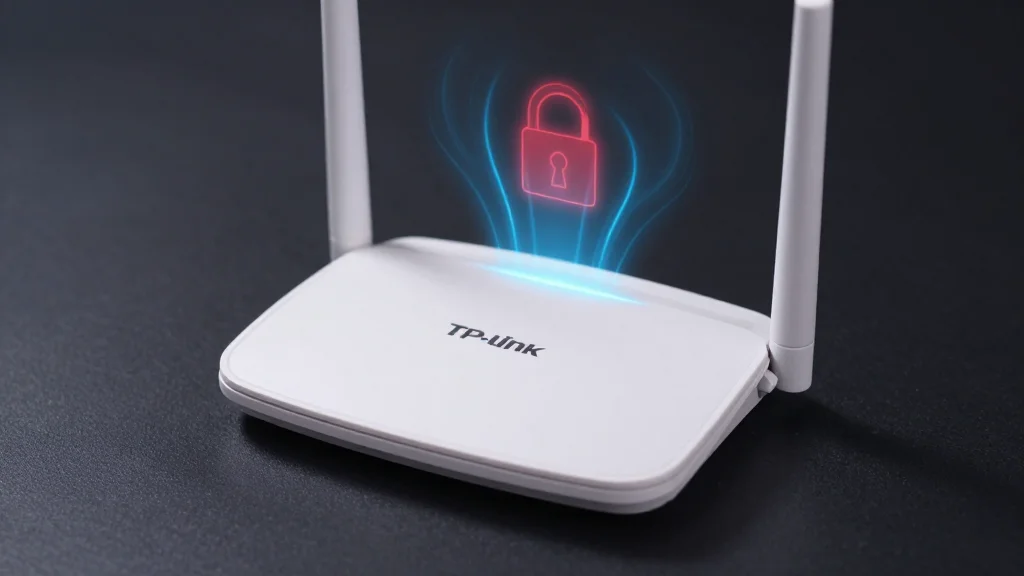
Russians Hijacking Routers for Cyber Spying
Why It Matters
The operation demonstrates how low‑cost consumer hardware can become a conduit for nation‑state espionage, threatening national security and corporate confidentiality. Prompt remediation is essential to protect sensitive communications and prevent further data exfiltration.
Key Takeaways
- •GRU exploited TP‑Link routers using CVE‑2023‑50224 since 2024
- •Hijacked DNS directs traffic to actor‑controlled resolvers for credential theft
- •AitM attacks expose encrypted Outlook Web Access and other services
- •FBI, CISA urge firmware updates and disabling remote router management
Pulse Analysis
The GRU’s exploitation of consumer‑grade routers underscores a shift toward leveraging the Internet of Things as a foothold for cyber‑espionage. By compromising the DHCP and DNS configurations of devices like TP‑Link models, the actors force all downstream devices to resolve domain names through servers they control. This technique bypasses traditional perimeter defenses, allowing the collection of authentication tokens and the decryption of traffic that would otherwise be protected by SSL/TLS. The use of CVE‑2023‑50224 illustrates how unpatched firmware can transform ordinary networking gear into a surveillance platform.
For U.S. government agencies and critical‑infrastructure firms, the ramifications are profound. The ability to intercept Outlook Web Access and other enterprise services grants the GRU direct insight into operational planning, diplomatic communications, and proprietary data. Because the compromised routers are often located in private homes or small offices, the attack surface expands far beyond corporate networks, complicating detection and response. Analysts warn that the indiscriminate harvesting of credentials can facilitate secondary attacks, such as ransomware or supply‑chain intrusions, amplifying the strategic impact of the initial breach.
Mitigation efforts focus on hardening edge devices and improving user awareness. The FBI and CISA recommend immediate firmware upgrades, disabling remote management interfaces, and replacing end‑of‑life hardware. Organizations with remote workforces should enforce VPN usage, enforce strict device compliance policies, and consider incentivizing employees to upgrade personal routers. As nation‑state actors continue to weaponize everyday technology, a proactive stance on router security becomes a critical component of broader cyber‑defense strategies.
Russians hijacking routers for cyber spying
Comments
Want to join the conversation?
Loading comments...