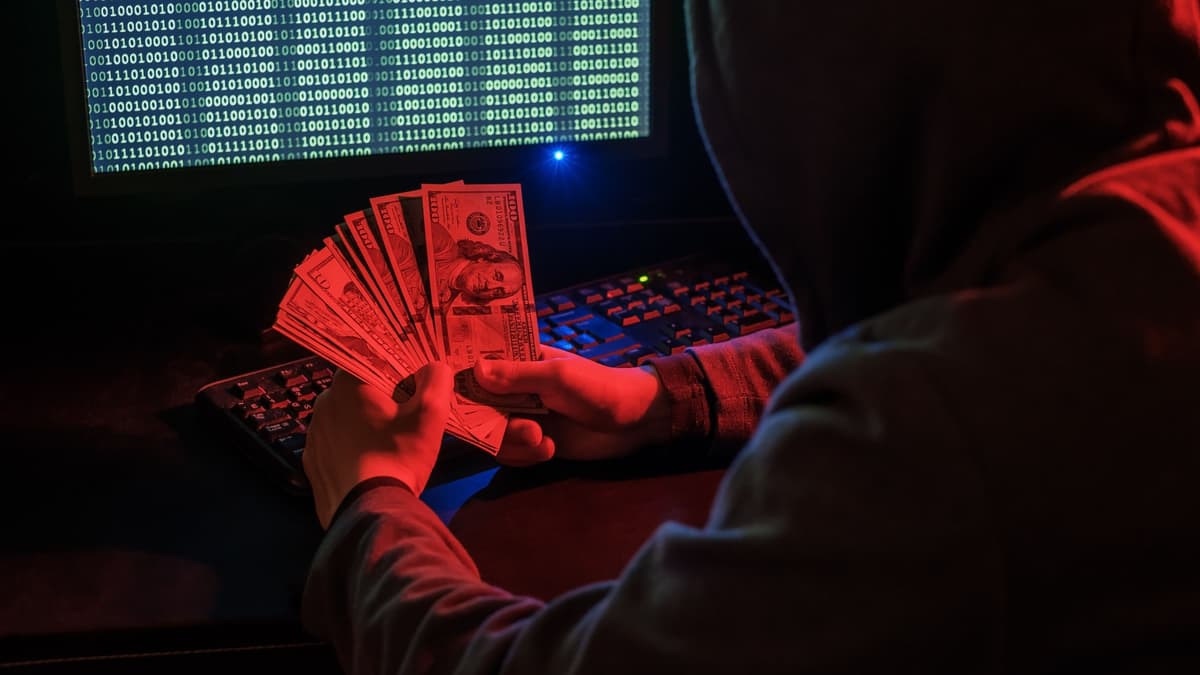
Silent Ransom Group Hits US Law Firms in Escalating Extortion Attacks
Companies Mentioned

Why It Matters
The rapid, multi‑stage extortion model forces legal firms to confront both operational disruption and severe reputational damage, highlighting a growing cyber‑risk vector for the professional services sector.
Key Takeaways
- •UNC3753 used vishing and phishing to breach dozens of U.S. law firms
- •Attack chain compressed to under an hour from contact to ransom demand
- •Actors leveraged legitimate RMM tools like AnyDesk for persistent access
- •Extortion emails threaten public disclosure within three days, risking reputation
- •Experts advise user education, conditional access, and strict RMM controls
Pulse Analysis
The Silent Ransom group, operating under the UNC3753 designation, has sharpened its focus on U.S. law firms, exploiting the high‑value data these organizations hold. By initiating seemingly innocuous invoice‑themed emails and following up with convincing voice‑phishing calls, the actors persuade targets to launch screen‑sharing sessions and install legitimate remote‑monitoring tools such as AnyDesk or Zoho Assist. This blend of social engineering and trusted software enables rapid lateral movement, allowing the threat actors to enumerate file shares, harvest client contracts, tax records, and personally identifiable information within minutes.
What sets this campaign apart is its compressed timeline. Mandiant observed incidents where the entire kill chain—from initial contact to data exfiltration and a ransom demand—completed in under an hour, and in some cases within 30 minutes. The extortion emails give victims a three‑day window to pay, threatening public disclosure that could trigger client lawsuits, regulatory penalties, and a plunge in market confidence. For law firms, the stakes are especially high because confidentiality breaches can erode client trust and jeopardize ongoing matters, potentially costing millions in lost business and remediation expenses.
Mitigation now hinges on a layered defense. Security teams should prioritize user education on vishing tactics, enforce conditional access policies that restrict remote‑access sessions, and tightly control the deployment of RMM utilities. Monitoring for anomalous screen‑sharing activity and implementing strict endpoint isolation for BYOD devices can further reduce exposure. As threat actors continue to refine their social‑engineering playbooks, firms that adopt proactive, zero‑trust architectures will be better positioned to thwart the next wave of Silent Ransom extortion attempts.
Silent Ransom Group Hits US Law Firms in Escalating Extortion Attacks
Comments
Want to join the conversation?
Loading comments...