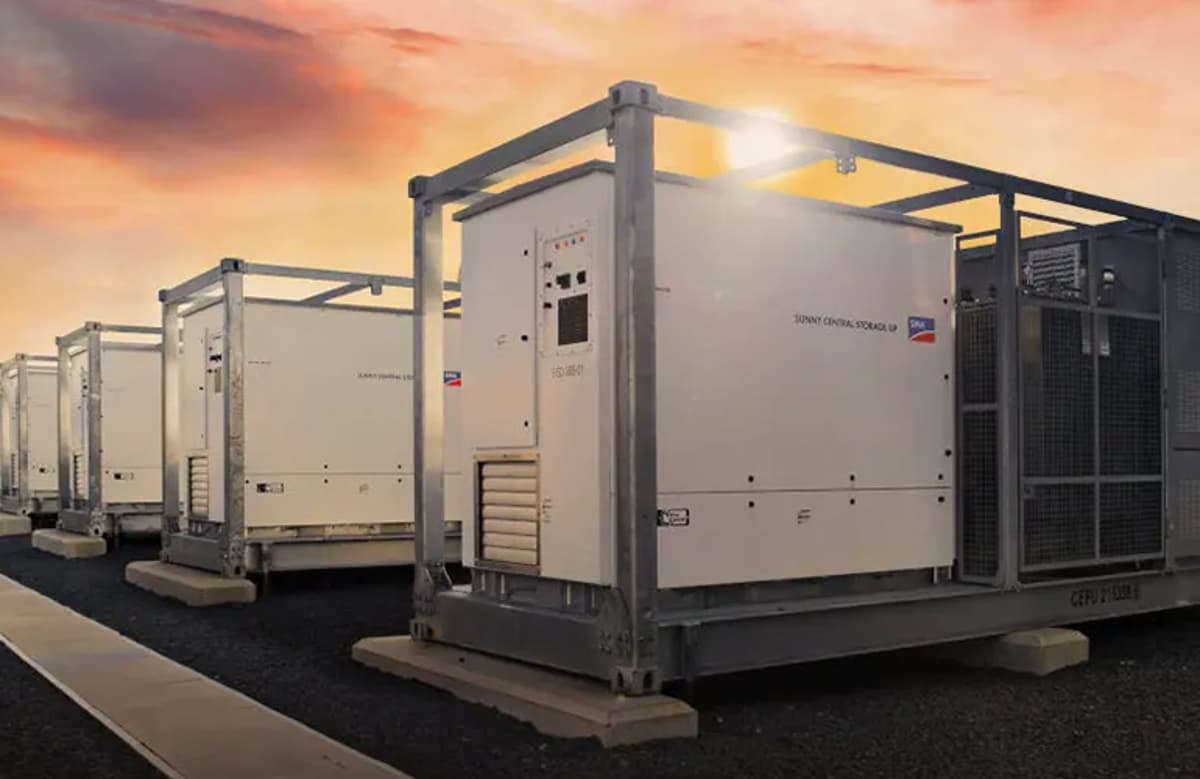
Solar Inverter Advancements Stress Growing Need for Cybersecurity
Why It Matters
Compromised inverters can destabilize the grid and erode consumer confidence, making robust cyber safeguards essential for the expanding DER market.
Key Takeaways
- •UL 2941 sets cybersecurity testing for solar inverters and DERs.
- •SEIA urges domestic inverter manufacturing to reduce foreign cyber risks.
- •Inverter breaches can trigger grid instability and affect homeowner returns.
- •Multi‑layered security includes credentials, cryptography, tamper detection, update verification.
- •Adoption of UL 2941 remains voluntary but industry push is growing.
Pulse Analysis
The rapid digitalization of distributed energy resources (DERs) has turned solar inverters into both operational assets and potential entry points for cyber threats. As utilities integrate more inverter‑based generation into bidirectional grids, traditional "set‑and‑forget" security models no longer suffice. This shift has spurred industry groups to prioritize cyber resilience, recognizing that a single compromised inverter—especially in aggregated virtual power plants—can cascade into broader grid instability or financial loss for homeowners.
In response, the National Renewable Energy Laboratory (now the National Laboratory of the Rockies) and UL Solutions introduced UL 2941, a comprehensive cybersecurity standard that builds on the existing UL 1741 safety framework. UL 2941 mandates robust credential controls, end‑to‑end encryption, real‑time intrusion detection, secure firmware update processes, and physical tamper‑resistance. By publishing a certification program in February, the consortium aims to make these practices industry‑wide, encouraging manufacturers to embed security by design rather than as an afterthought.
The broader market impact hinges on adoption. While UL 2941 is not yet mandatory, utilities, aggregators, and insurers are increasingly requiring compliance to mitigate risk exposure. SEIA’s call for a domestic inverter supply chain further underscores the geopolitical dimension of cyber risk, urging U.S. manufacturers to reduce reliance on foreign components that may harbor hidden vulnerabilities. As the DER landscape continues to expand, firms that proactively certify to UL 2941 will likely gain a competitive edge, while laggards may face regulatory pressure, reputational damage, or costly retrofits.
Solar inverter advancements stress growing need for cybersecurity
Comments
Want to join the conversation?
Loading comments...