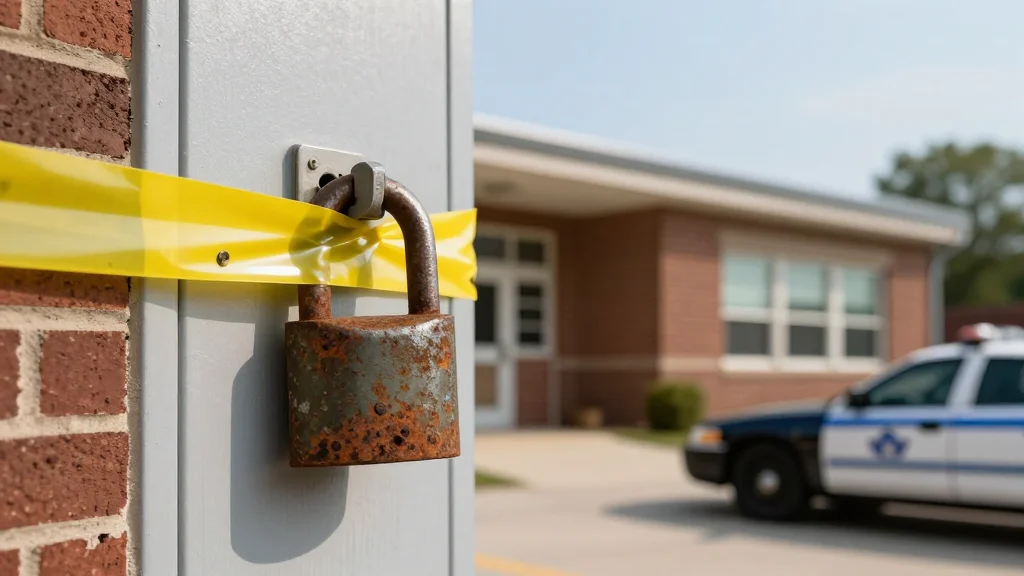
Spring Lake Park, Minn., Schools Close Due to Ransomware
Why It Matters
Ransomware attacks on K‑12 districts disrupt education, expose sensitive student data, and strain already limited IT budgets, highlighting the urgent need for stronger cyber defenses in public schools.
Key Takeaways
- •Spring Lake Park schools closed after ransomware accessed district network
- •All classes, childcare, and after‑school programs canceled on April 13
- •District shut down systems to contain breach and prevent data loss
- •Third‑party cyber experts and law enforcement engaged for investigation
- •Recovery aims to restore services while assessing security gaps
Pulse Analysis
The Spring Lake Park School District’s abrupt closure underscores how ransomware can cripple essential public services within hours. After its technology team identified suspicious activity on April 12, the district immediately powered down all networked devices, forcing the cancellation of classroom instruction and ancillary programs. By partnering with external cyber‑security firms and local law enforcement, officials aimed to limit the attacker’s foothold, preserve evidence, and chart a path to system restoration. This rapid response reflects a growing recognition among school administrators that containment is often more effective than attempting to negotiate with cybercriminals.
Ransomware has become a persistent threat to K‑12 institutions, which typically operate on constrained IT budgets and rely on legacy systems. According to recent industry reports, attacks on U.S. schools have risen by more than 30% year‑over‑year, with average ransom demands ranging from $10,000 to $500,000. Beyond the immediate financial cost, districts face potential exposure of student records, compliance penalties under FERPA, and long‑term reputational damage. The Spring Lake Park incident mirrors a broader pattern where attackers exploit weak password policies, unpatched software, and limited network segmentation to gain footholds before deploying encryption payloads.
To mitigate future incidents, districts should adopt a layered security strategy that includes regular patch management, multi‑factor authentication, and comprehensive backup solutions stored offline. Investing in cyber‑insurance can also offset ransom payments and recovery expenses, though insurers increasingly require demonstrable security controls. Ongoing staff training and tabletop exercises ensure that educators and administrators can respond swiftly, minimizing downtime. As ransomware actors continue to refine their tactics, proactive preparedness will be the decisive factor in protecting educational continuity and safeguarding student data.
Spring Lake Park, Minn., Schools Close Due to Ransomware
Comments
Want to join the conversation?
Loading comments...