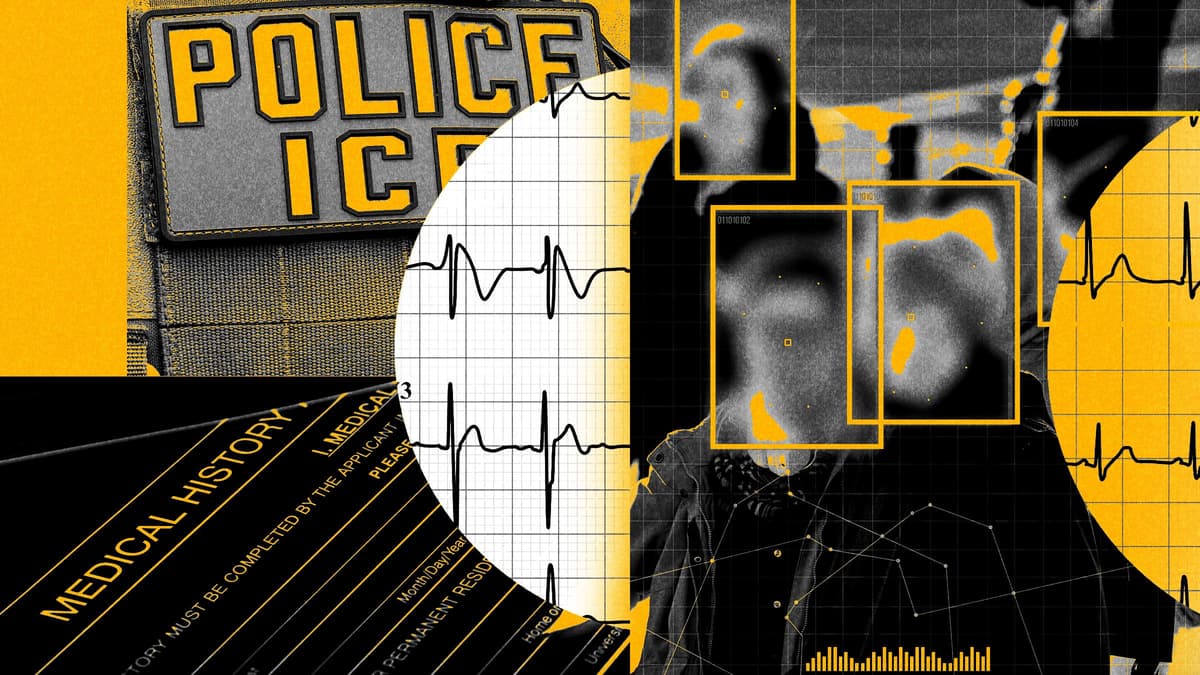
Surveillance and ICE Are Driving Patients Away From Medical Care, Report Warns
•January 21, 2026
0
Companies Mentioned


Why It Matters
When fear of surveillance outweighs the need for treatment, public‑health goals falter and vulnerable populations face higher morbidity. The findings highlight urgent regulatory gaps that threaten both individual rights and the broader health system.
Key Takeaways
- •Health data sold to brokers fuels surveillance and discrimination
- •ICE presence in hospitals deters patients from seeking care
- •Outdated privacy laws fail to protect digital health information
- •AI amplifies privacy risks by processing unregulated health data
- •Notice‑and‑choice model shifts burden to patients, not companies
Pulse Analysis
The EPIC report arrives at a moment when the United States lacks a comprehensive federal data‑privacy framework, leaving health information exposed to commercial and governmental exploitation. Existing statutes such as HIPAA were designed for paper records and traditional providers, not for the sprawling ecosystem of mobile apps, wearables, and cloud‑based analytics. As a result, data brokers can aggregate seemingly innocuous signals—search queries, location pings, and insurance claims—into detailed health profiles that are bought and sold with minimal oversight. This regulatory vacuum not only erodes patient trust but also creates a feedback loop where fear of exposure drives individuals away from essential services, amplifying health disparities.
Compounding the legal gaps, recent policy shifts have emboldened immigration enforcement within medical facilities. The rescission of the 2022 DHS memo that limited ICE activity in sensitive locations has led to visible agent presence in emergency rooms and clinics, prompting clinicians to report delayed or denied care. When patients suspect that seeking treatment could trigger deportation or legal scrutiny, they may postpone diagnosis, medication adherence, or preventive screenings, ultimately inflating long‑term health costs for both families and the system. The intersection of immigration enforcement and data‑driven surveillance illustrates how policy decisions in one domain can ripple across public‑health outcomes.
Looking forward, lawmakers face pressure to modernize privacy protections and curb the unchecked use of artificial intelligence in health contexts. Proposals range from establishing a federal health‑data privacy law to tightening HIPAA’s scope to cover third‑party analytics and AI inference engines. Such reforms could mandate transparent consent mechanisms, restrict data‑broker access, and impose accountability for misuse. Until comprehensive safeguards are enacted, the market‑driven "notice‑and‑choice" model will continue to place the onus on patients, perpetuating a cycle where privacy concerns undermine the very purpose of medical care.
Surveillance and ICE Are Driving Patients Away From Medical Care, Report Warns
0
Comments
Want to join the conversation?
Loading comments...