Tax Documents for School Employees Potentially Stolen Across Los Angeles County
Why It Matters
Compromised payroll data can lead to identity theft and costly tax fraud, threatening employee trust and imposing legal liabilities on school districts. The incident underscores the urgency for stronger cybersecurity controls in education payroll systems.
Key Takeaways
- •LACOE oversees payroll for 150,000 staff across 100 districts.
- •Fraudulent tax filings reported in two districts; scope remains unknown.
- •Bellflower USD breach leaked 4.5 TB of data, including W‑2s.
- •Los Angeles and Long Beach districts use separate portals, thus unaffected.
- •LACOE is working with external experts and the W‑2 vendor.
Pulse Analysis
The recent investigation by the Los Angeles County Office of Education highlights a growing vulnerability in education payroll infrastructures. LACOE’s centralized portal processes tax documents for a massive workforce, making it an attractive target for cybercriminals seeking personal financial data. When fraudulent returns surface, the immediate fallout includes not only financial loss for employees but also a surge in administrative costs as districts scramble to verify filings and assist victims. This incident serves as a reminder that even well‑intended centralized services must prioritize robust encryption, multi‑factor authentication, and continuous monitoring.
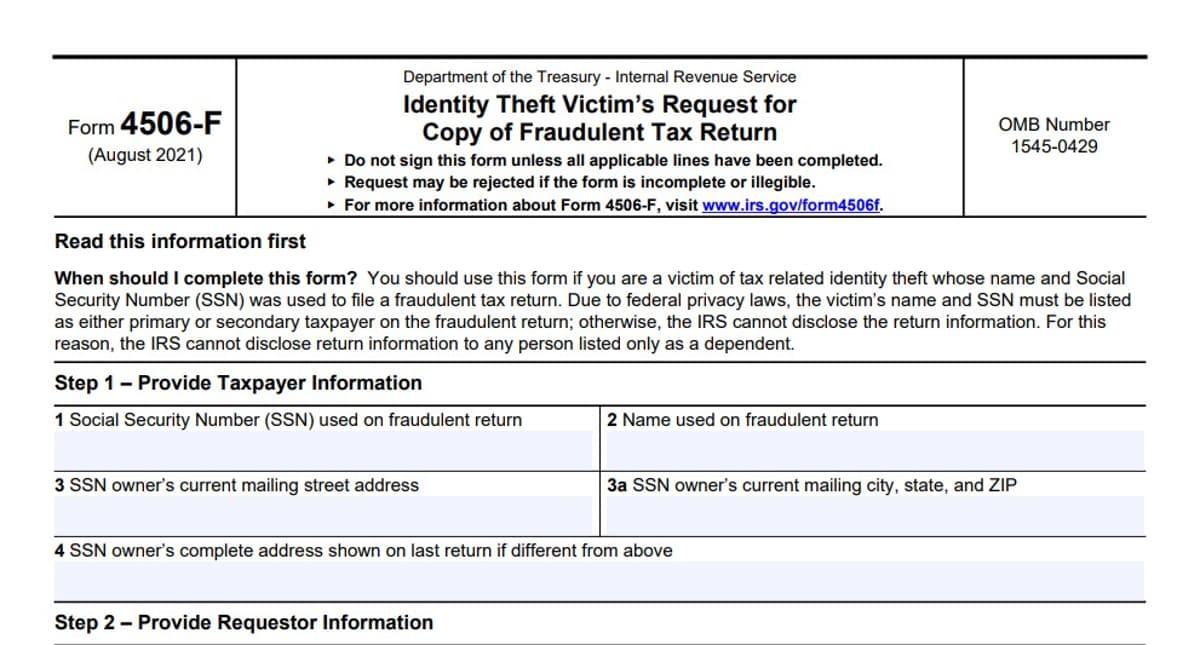
Complicating the picture is the earlier breach at Bellflower Unified School District, where attackers exfiltrated roughly 4.5 TB of information, including thousands of W‑2 forms. Although the district’s public notice claimed student and staff data were stored separately, the leaked files suggest otherwise, raising questions about transparency and notification practices. Employees whose Social Security numbers appear in the dump face heightened risk of identity theft, prompting the IRS to advise victims to file Form 4506‑F. The lack of clear communication from Bellflower underscores a broader industry challenge: balancing rapid breach disclosure with legal and reputational considerations.
For school districts nationwide, these events signal an urgent need to reassess third‑party vendor relationships and internal security protocols. Implementing zero‑trust architectures, regular penetration testing, and employee training on phishing can mitigate future attacks. Moreover, regulators may tighten requirements for safeguarding payroll data, compelling districts to adopt stricter compliance frameworks. Proactive investment in cybersecurity not only protects staff but also preserves public confidence in the education system’s ability to safeguard sensitive information.
Tax documents for school employees potentially stolen across Los Angeles County
Comments
Want to join the conversation?
Loading comments...