Tax Season Scams 2026: How IRS Phishing, Fake Tax Messages, and AI Fraud Threaten Businesses
Companies Mentioned
Why It Matters
Tax‑season scams now serve as a gateway to corporate networks, exposing payroll and financial systems to credential theft, malware, and long‑term fraud. Protecting these vectors is critical to avoid costly data breaches and regulatory penalties.
Key Takeaways
- •AI‑generated emails mimic IRS notices, boosting click‑through rates
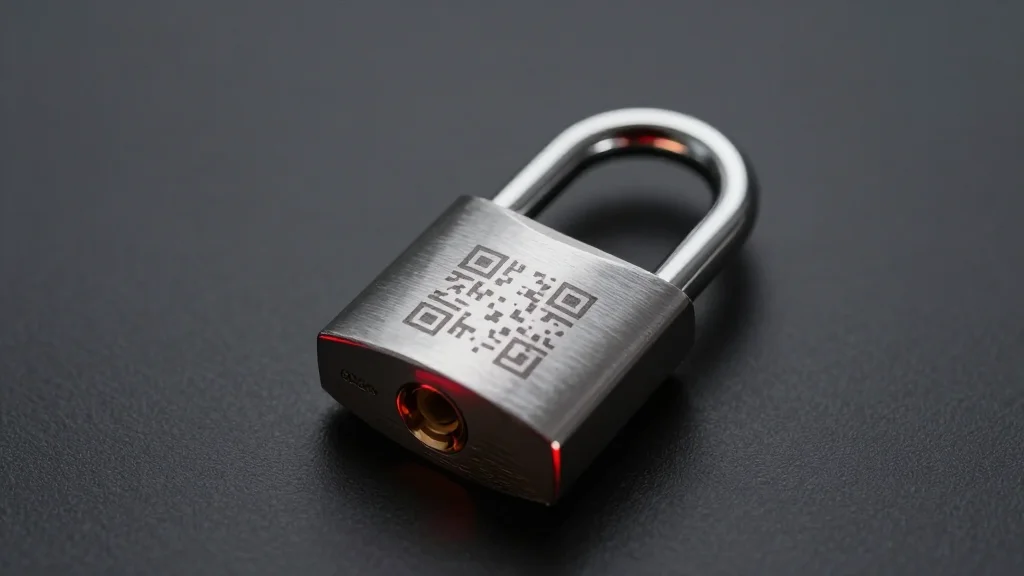
- •QR‑code links in fake tax docs led to malware on 100 firms
- •Microsoft recorded 29,000 users across 10,000 orgs hit by tax phishing
- •Compromised payroll accounts expose employee SSNs and bank details
- •Early‑season awareness training cuts credential theft by up to 40%
Pulse Analysis
The tax filing deadline has become a prime hunting ground for cyber‑criminals who now leverage artificial intelligence and QR‑code technology to make scams appear authentic. AI can craft convincing IRS‑style emails and text messages that use urgent language and official branding, while QR codes embedded in fake tax documents redirect victims to malicious sites that install ransomware or steal credentials. These tactics have already impacted hundreds of organizations, with Microsoft documenting a wave that compromised tens of thousands of users across multiple industries.
For enterprises, the risk extends beyond individual fraud. Finance, payroll, and ERP teams routinely process sensitive employee data, W‑2 forms, and payment instructions—making them attractive targets for credential harvesting and malware deployment. A compromised payroll system can expose Social Security numbers, bank account details, and internal financial workflows, potentially leading to large‑scale identity theft and regulatory fines. The convergence of tax‑season urgency and sophisticated social engineering amplifies the likelihood of human error, especially when employees are pressed to meet filing deadlines.
Mitigation requires a layered approach that combines technology and employee awareness. Organizations should enforce multi‑factor authentication for all tax‑related accounts, restrict the use of QR‑code scanners on corporate devices, and deploy advanced email filtering that flags AI‑generated language patterns. Simultaneously, targeted training sessions before the filing season can educate staff on recognizing spoofed IRS communications and verifying requests through known channels. Continuous monitoring of credential usage and rapid incident response protocols will further reduce the window of exposure, turning the tax season from a vulnerability into a controlled, secure process.
Tax Season Scams 2026: How IRS Phishing, Fake Tax Messages, and AI Fraud Threaten Businesses
Comments
Want to join the conversation?
Loading comments...