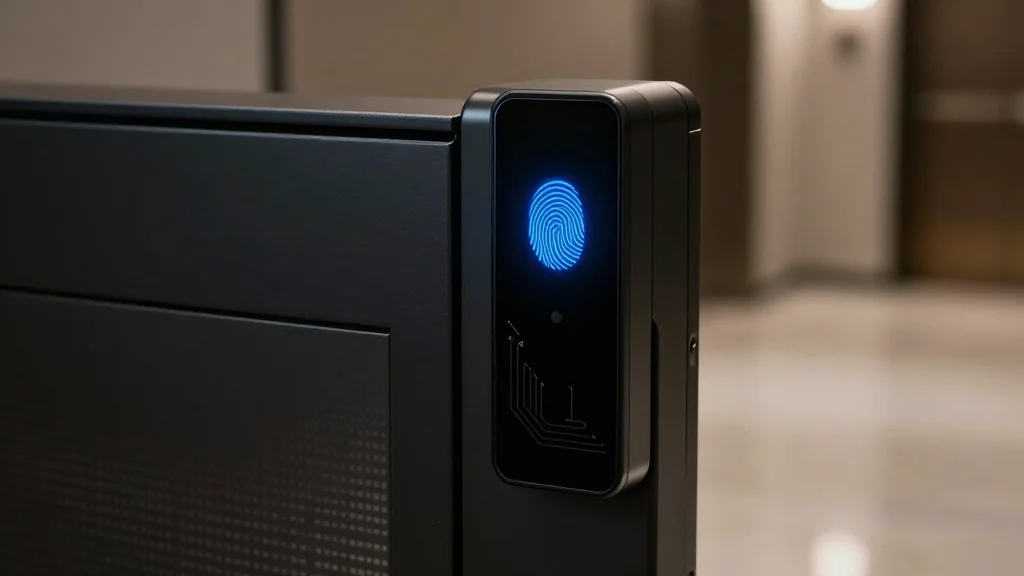
The Zero-Trust Paradox: Why Systems Built to Eliminate Trust May Be Destroying It
Companies Mentioned
Why It Matters
If unchecked, zero‑trust’s surveillance tilt can erode employee morale, increase risk‑aversion, and expose firms to bias‑related compliance issues, undermining the very resilience the model promises.
Key Takeaways
- •Zero trust reduces attack surface while increasing perceived employee monitoring.
- •Continuous verification can morph into workplace surveillance, harming morale.
- •AI‑driven access decisions lack transparency, prompting trust and accountability gaps.
- •Bias in behavior‑based models may amplify existing inequities.
- •Boards must weigh security gains against cultural and ethical costs.
Pulse Analysis
Zero‑trust emerged as a response to the collapse of traditional network perimeters, where a single authentication granted unfettered internal access. By insisting on continuous verification, least‑privilege policies, and granular micro‑segmentation, frameworks such as NIST SP 800‑207 have helped organizations curb lateral movement and insider threats, delivering measurable improvements in breach‑prevention metrics. The model’s technical merits are clear: fewer implicit trust zones and tighter control over data flows across cloud‑native environments.
However, the same logic that hardens digital borders is now being applied to people. Continuous verification of every user action—whether through keystroke monitoring, productivity scoring, or AI‑mediated loan approvals—creates a perception of constant surveillance. Employees report feeling distrusted, and studies on workplace monitoring show that such environments foster risk‑averse behavior and stifle innovation. Moreover, AI systems inherit historical biases, flagging atypical patterns that often correspond to underrepresented groups, thereby compounding equity concerns.
To reconcile security with human trust, leaders must decouple technical verification from managerial oversight. Organizations should embed explainability into AI decisions, offering clear, contestable reasons for denials and a path to human review. Boardrooms need to evaluate the cultural cost of monitoring tools alongside their risk‑reduction benefits, ensuring accountability mechanisms are in place. By treating zero‑trust as a security layer—not a blanket governance philosophy—companies can protect assets without sacrificing the trust and autonomy that drive long‑term performance.
The zero-trust paradox: Why systems built to eliminate trust may be destroying it
Comments
Want to join the conversation?
Loading comments...