This Simple DNS Switch Is Always My First Privacy Recommendation
Companies Mentioned
Why It Matters
By moving DNS queries to Quad9, users cut off a major source of metadata leakage and gain built‑in threat protection, a crucial advantage for both home users and enterprises concerned about surveillance and cyber‑attacks.
Key Takeaways
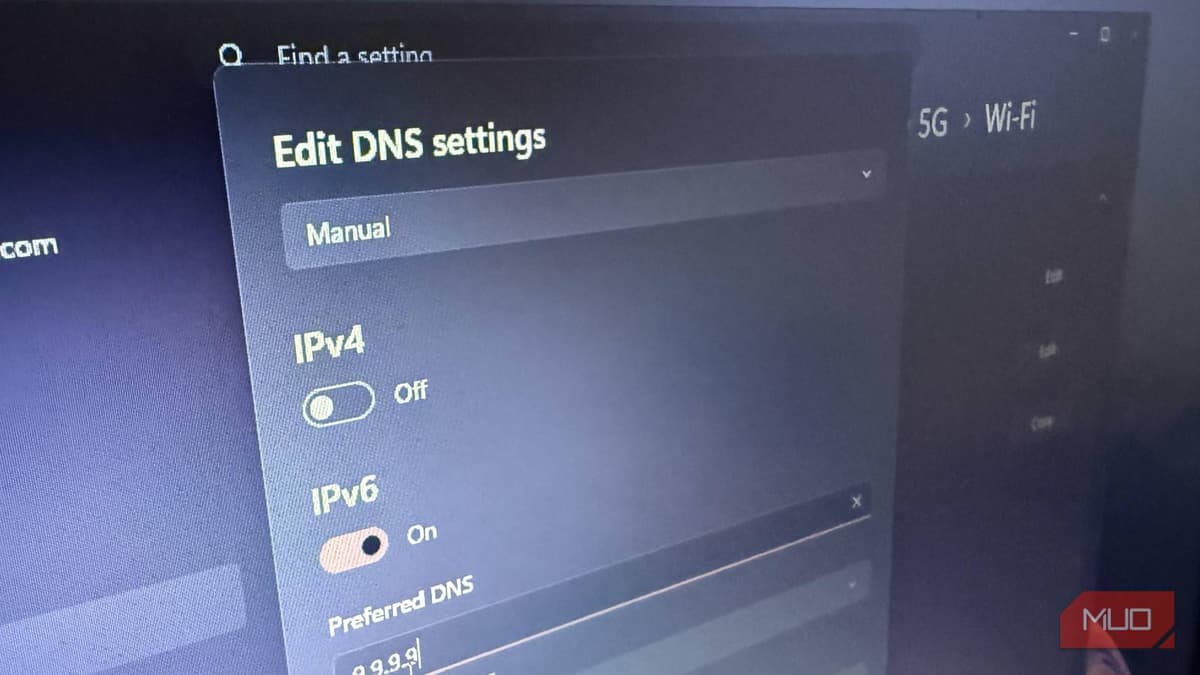
- •Quad9 DNS addresses: 9.9.9.9 primary, 149.112.112.112 secondary.
- •Quad9 does not log IP addresses, only city‑level aggregates.
- •Quad9 blocks malware and phishing by default, unlike Google DNS.
- •Router‑level configuration covers all devices with a single change.
- •Quad9 is a nonprofit based in Switzerland, emphasizing privacy over profit.
Pulse Analysis
Domain Name System (DNS) is the silent workhorse that translates human‑readable URLs into IP addresses. Every click triggers a DNS query, and those queries travel through the ISP or local network before reaching a resolver. Because the request contains only the domain name, it does not reveal page content, yet it paints a clear picture of a user’s browsing habits. On unencrypted public Wi‑Fi, these lookups are often sent in clear text, giving network operators real‑time visibility and a valuable metadata trail that can be harvested for profiling or targeted advertising.
Quad9 positions itself as a privacy‑first alternative to commercial resolvers such as Google’s 8.8.8.8 or Cloudflare’s 1.1.1.1. Operated by a Swiss nonprofit foundation, it promises not to store IP addresses, retaining only city‑level aggregates for capacity planning. The service also enables built‑in malware and phishing blocking on its primary address 9.9.9.9, a feature absent from Google’s DNS and optional on Cloudflare’s. Quad9’s legal resilience was proven in 2021 when it successfully resisted a Sony Music injunction, reinforcing its commitment to a neutral, security‑focused DNS.
Deploying Quad9 is straightforward: configuring the primary DNS (9.9.9.9) on a home router automatically protects every connected device, from smartphones to IoT gadgets. For travelers, the same addresses can be set in Android’s Private DNS mode or iOS Wi‑Fi settings, ensuring consistent protection outside the household. By eliminating IP‑level logging and adding threat filtering, Quad9 reduces exposure to phishing attacks and malicious domains without sacrificing speed. As privacy‑aware consumers and enterprises demand more transparent internet infrastructure, DNS‑over‑HTTPS and DNS‑over‑TLS adoption is accelerating, making Quad9 a practical first step toward broader network hygiene.
This simple DNS switch is always my first privacy recommendation
Comments
Want to join the conversation?
Loading comments...