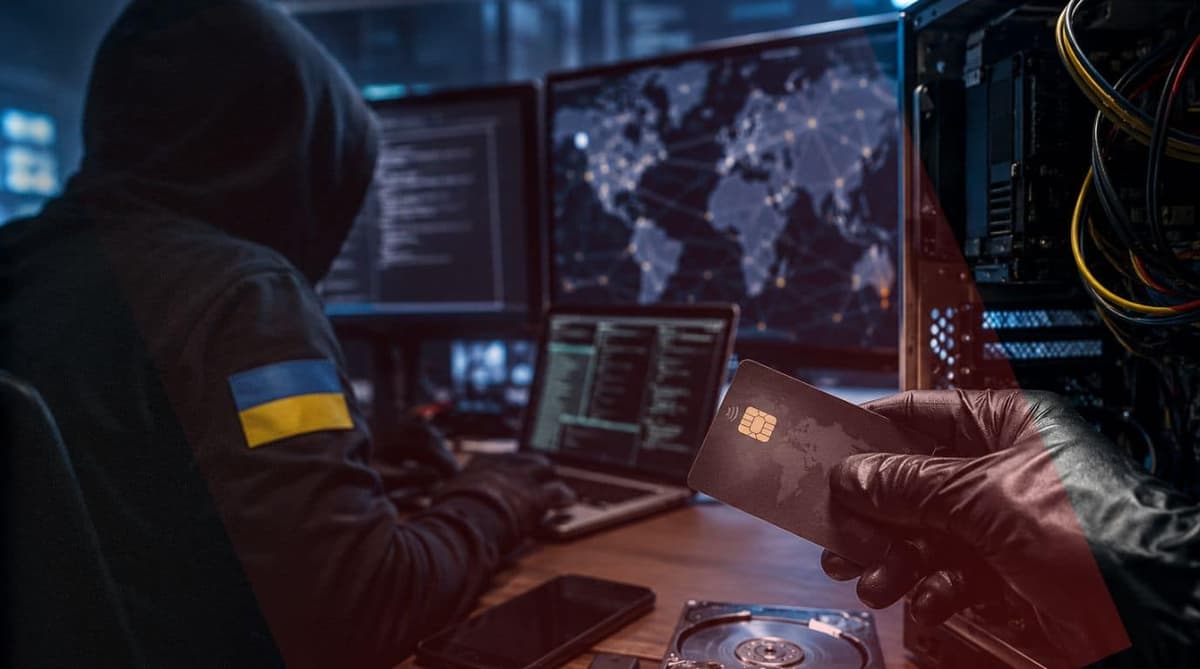
Ukraine Busts Massive Cybercrime Scheme Behind 28,000 Stolen Accounts
Why It Matters
The bust demonstrates how cross‑border cooperation can disrupt sophisticated account‑takeover networks that cost retailers millions, underscoring the urgent need for stronger credential protection in online commerce.
Key Takeaways
- •28,000 accounts stolen from California retailer.
- •$721,000 fraudulent purchases made from compromised accounts.
- •Ukrainian police seized devices and crypto accounts from 18‑year‑old suspect.
- •Infostealer malware harvested credentials, session cookies, and browser data.
- •US and Ukrainian agencies collaborated to dismantle the operation.
Pulse Analysis
The Ukrainian investigation revealed a highly organized infostealer campaign that compromised tens of thousands of e‑commerce users. By embedding malicious code in seemingly benign software, the attackers siphoned login details, session tokens, and browser‑stored data, then sold the information on underground Telegram channels. This approach lets criminals bypass traditional password checks, turning stolen sessions into direct purchasing power. The scale—nearly 30,000 accounts and $721,000 in fraudulent sales—illustrates how credential‑theft tools have evolved from simple password grabs to full‑blown account‑takeover engines capable of generating substantial revenue.
Law‑enforcement response was swift and transnational. Ukrainian cyber police, in coordination with U.S. agencies, executed raids, confiscated mobile phones, computers, storage media, and cryptocurrency exchange credentials linked to the suspect. The seizure of digital evidence not only halted ongoing fraud but also provided a forensic trail to map the infrastructure behind the operation. For retailers, the incident serves as a stark reminder that breach detection must extend beyond perimeter defenses to monitor anomalous session activity and token misuse, while adopting multi‑factor authentication to mitigate the impact of stolen credentials.
The case fits a broader pattern of rising infostealer attacks targeting online retailers, financial services, and social platforms. Cybercriminals increasingly leverage Telegram bots and dark‑web marketplaces to democratize access to stolen data, lowering the skill bar for fraudsters. As credential‑theft techniques become more sophisticated, businesses must invest in continuous threat hunting, real‑time credential monitoring, and user education on phishing defenses. Strengthening these layers not only protects revenue but also curtails the lucrative ecosystem that fuels international cybercrime networks.
Ukraine Busts Massive Cybercrime Scheme Behind 28,000 Stolen Accounts
Comments
Want to join the conversation?
Loading comments...