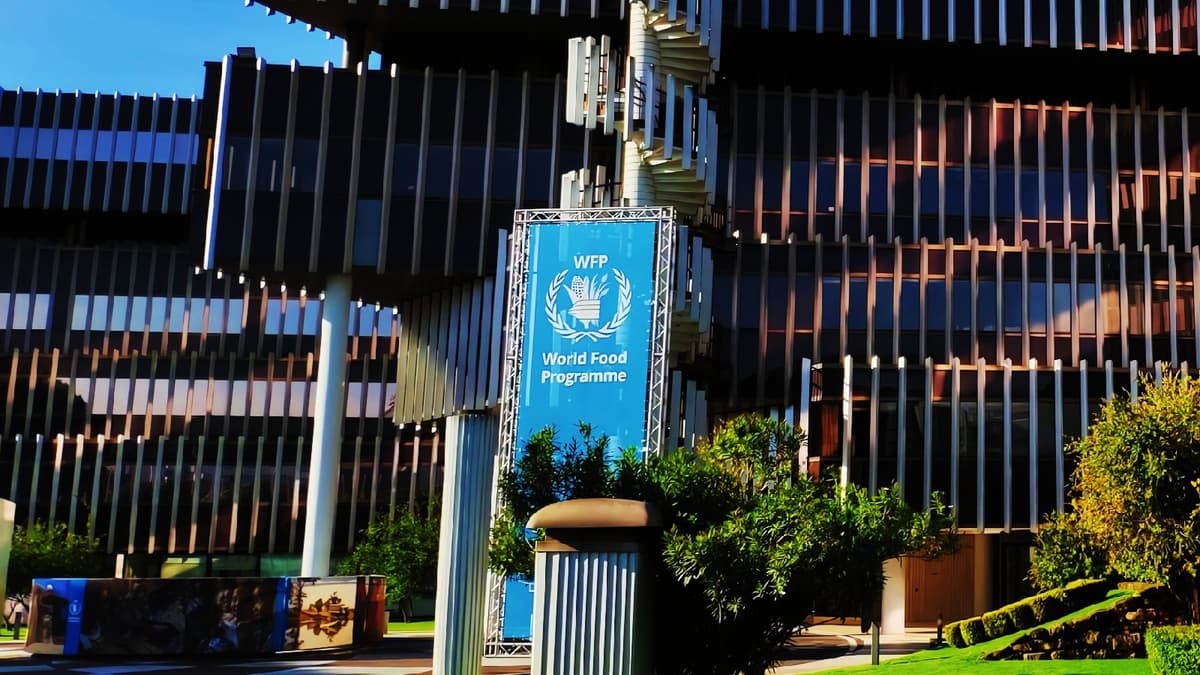
UN Food Agency Discloses Breach Affecting 600,000 Gaza Households

Companies Mentioned
Why It Matters
The breach jeopardizes the safety of vulnerable Gaza residents and underscores growing cyber‑risk challenges for humanitarian agencies, potentially eroding donor trust and operational effectiveness.
Key Takeaways
- •WFP self‑registration app breach exposed data of ~600,000 Gaza households
- •Attackers accessed names, IDs, phone numbers, and neighborhood details
- •Platform remains offline while security upgrades are implemented
- •WFP warns beneficiaries against phishing scams impersonating the agency
- •Incident adds to growing pattern of UN cyber‑security failures
Pulse Analysis
The World Food Programme’s data breach highlights a stark vulnerability in the digital infrastructure that underpins humanitarian assistance. While the organization continues to deliver food, cash, and other aid across Gaza, the exposure of personal identifiers for hundreds of thousands of households raises serious privacy concerns. In conflict zones, where beneficiaries already face heightened physical risks, the theft of location data could be weaponized, making robust cybersecurity a matter of life and death.
This incident is part of an accelerating series of cyber‑attacks on United Nations entities, from the 2019 Geneva office breach to recent ransomware strikes on UNDP and ICAO. Each episode chips away at donor confidence, as governments and private contributors demand assurance that their contributions are protected from cyber‑theft. The cumulative effect pressures the UN system to prioritize cyber‑resilience, allocate more resources to security upgrades, and adopt unified standards across its agencies.
For the affected Gaza residents, the immediate threat lies in phishing scams that exploit the breach’s publicity. WFP’s warning against impersonation is crucial; malicious actors may use the stolen data to craft convincing fraud attempts, extracting money or further personal details. Strengthening user education, implementing multi‑factor authentication, and accelerating the restoration of the registration platform are essential steps. In the longer term, the breach serves as a catalyst for the UN to embed cybersecurity into its humanitarian mission, ensuring that aid delivery remains both effective and secure.
UN food agency discloses breach affecting 600,000 Gaza households
Comments
Want to join the conversation?
Loading comments...