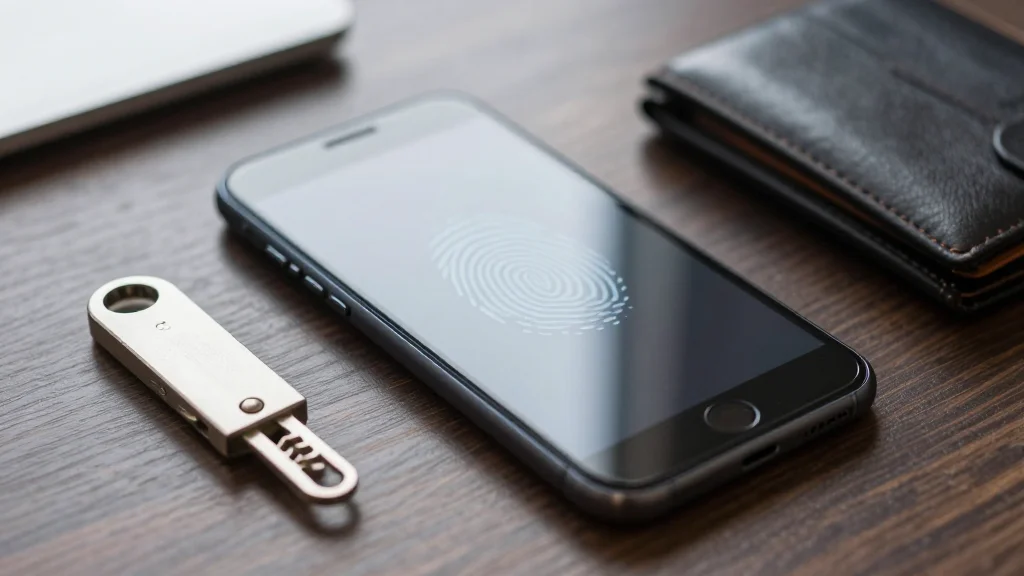
What the Heck Are Passkeys? And Should I Be Using Them?
Key Takeaways
- •Passkeys replace passwords with device‑stored cryptographic keys.
- •Authentication occurs locally, never transmitting secret credentials.
- •Phishing resistance thanks to domain‑bound public keys.
- •Biometric or PIN verification unlocks private key on device.
- •Current implementations often allow fallback passwords, limiting security.
Pulse Analysis
The rise of passkeys reflects a broader industry move away from password fatigue toward cryptographic authentication standards like WebAuthn and FIDO2. Tech giants such as Apple, Google, and Microsoft have integrated passkey support into their ecosystems, encouraging developers to replace legacy password flows. By anchoring credentials to a user’s device, passkeys eliminate the need for servers to store or transmit secret data, thereby reducing attack surfaces and compliance burdens for enterprises.
At the technical core, passkeys employ a challenge‑response protocol. A server issues a one‑time unsigned challenge; the user’s device signs it with a private key that never leaves the device, while the corresponding public key is stored on the server. The signed challenge, credential ID, and username travel back to the server, which validates the signature against the stored public key. This process ensures that even if a malicious actor intercepts traffic, they cannot replay the authentication, and phishing attempts fail because credentials are domain‑bound.
Despite their advantages, adoption hurdles remain. Many websites still present a password fallback, diluting the security gains and confusing users. Additionally, fragmented ecosystems—Apple’s iCloud Keychain versus Google Password Manager—can lead to duplicate passkeys across browsers and devices. As user education improves and more services mandate passkey‑only logins, the technology is poised to become the new baseline for secure, frictionless digital identity.
What the Heck are Passkeys? And Should I Be Using Them?
Comments
Want to join the conversation?